

Bridget Vazquez, PsyD, breaks down how cancer-related PTSD manifests, why it goes unrecognized, and what patients, caregivers, and clinicians can do.
Bridget Vazquez, PsyD, breaks down how cancer-related PTSD manifests, why it goes unrecognized, and what patients, caregivers, and clinicians can do.
New ADA 2026 data show diabetic ketoacidosis hospitalizations rising 24%, driven by poor ketone monitoring and symptom recognition gaps across all ages.
PROTEUS results reshape high‑risk localized prostate cancer care, adding apalutamide plus androgen deprivation before surgery as a new option.
By controlling for ovarian suppression, OPTIMA shows Prosigna works equally well in pre and postmenopausal high-risk early breast cancer.
Research from Samuel Shangwu Wu, PhD, presented as an ADA Presidents' Select Abstract, proposes a better way to measure beta-cell preservation.
Kerry Rogers, MD, examines the underemphasized BTK inhibitor adverse effects that quietly erode patient quality of life—and what to do about them.
Anne Komé, PharmD, explains that diabetes drug development is shifting to concurrent testing of metabolic effects.
ADA 2026 research showed how oral ketones, irisin, and SGLT2 inhibitors may reveal new metabolic pathways beyond glucose control.
Phase 3 data show survodutide normalized liver fat in 61% of patients with MASLD while reducing weight, visceral fat, and metabolic risk factors.
ADA 2026 data show survodutide cut visceral fat by 34% and liver fat by 63%, suggesting metabolic benefits beyond weight loss in phase 3 trials.
The next frontier, according to Igor Puzanov, MD, MSCI, FACP, includes improving immune toxicity recognition and long-term care.
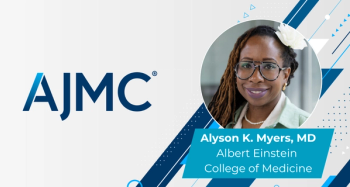
Diabetes disparities drive unequal CGM access and amputation risk, highlighting the need to address social, provider, and policy barriers to equitable care.
At ADA 2026, Alyson K. Myers, MD, explains why knowing your community—and meeting patients where they are—is key to better diabetes outcomes and lower costs.
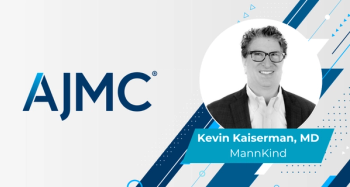
ADA 2026: Inhaled insulin (Afrezza) shows comparable HbA1c and time-in-range to rapid-acting analogs in youth, with greater treatment satisfaction reported.
After FDA approval for children 6 and older, ADA data show inhaled insulin's safety and satisfaction benefits, but clinician awareness remains a key barrier.
OPTIMA trial data show genomic testing helps many patients with high‑risk breast cancer skip chemotherapy safely and start endocrine therapy sooner.
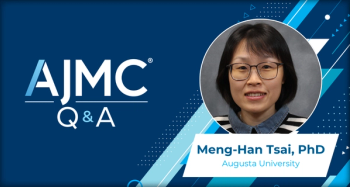
Men and urban minority patients with early-onset CRC face elevated CVD death risk, highlighting gaps in survivorship care and research, Meng-Han Tsai, PhD, said.

Ajai Chari, MD, unpacks resistance mechanisms, treatment sequencing, and why myeloma’s future may be brighter than anyone predicted.

MASH cirrhosis treatment, fibrosis reversal, and population screening were cited by experts as hepatology's biggest gaps.
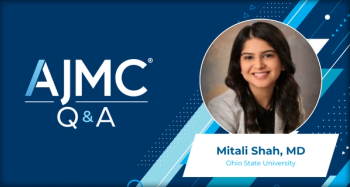
Chemotherapy decisions for young women with HR+ breast cancer and low recurrence scores reveal testing disparities that health systems must address.

An AI-driven review of oncology trials reveals that diversity progress over 30 years is largely an illusion driven by Asian enrollment growth.
Alexa Simon Meara, MD, MS, discusses breaking down silos between academic and community oncology to improve immunotherapy care and irAE management.

Learn how the Cicada COVID-19 variant spreads, common symptoms, who may be at risk, and what precautions experts recommend.
From cardiovascular risk to missed toxicity grading, Igor Puzanov, MD, MSCI, outlines what is failing in checkpoint inhibitor toxicity management.

ASCO 2026 clinicians highlighted unmet needs from navigating complex treatment decisions and overcoming translation gaps, to optimizing regimens.
OLYMPIA-3 trial at ASCO 2026 shows odronextamab plus CHOP in higher-risk B-cell lymphoma delivers strong MRD-negative CRs with fewer visits.

Advanced therapies must expand into community settings to improve access and address health equity gaps.

Amid the genomic revolution reshaping AML treatment, Karilyn Larkin, MD, speaks to why every patient deserves a personalized road to cure.

Closing the gap between CKD detection and treatment requires aligned screening, streamlined pathways, and equitable access to proven therapies.

As quarantined cruise passengers return home, experts explain Andes hantavirus symptoms, transmission risks, and prevention.