
HIV
Latest News

Advertisement
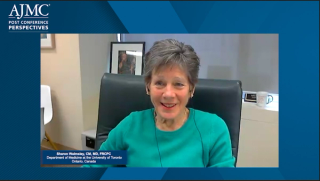
Clarifying USPSTF Recommendations for HIV Pre-Exposure Prophylaxis (PrEP)
This discussion focuses on how to address barriers and disparities as obstacles to using PrEP, with a focus on USPSTF PrEP guidelines and ACA Part 47 for payers and providers.

Latest Videos


Podcasts
CME Content


Advertisement
More News

Quality of life in people living with HIV was lower in those who had weight gain from adherence to antiretroviral therapy.
Mother-to-child transmission often led to pretreatment drug resistance and acquired drug resistance in children living with HIV.

A new study shows low rates of pre-exposure prophylaxis (PrEP) prescribing to sexual and gender minority individuals living in North Carolina, indicating barriers like stigma and a misperception of risk as reasons for not using PrEP.
HIV care and its related outcomes in South Carolina were defined by racial disparities, specifically in retention in care, despite efforts to end the HIV epidemic.
New data demonstrated that long-acting cabotegravir was preferable to daily dolutegravir/lamivudine in treatment-naive people living with HIV.

Significant demographic differences were found when evaluating the use of depression services in people living with HIV and depression.
Countries in sub-Saharan Africa could see thousands of deaths from HIV due to cuts to the US President’s Emergency Plan for AIDS Relief (PEPFAR), underscoring the necessity of reinstating the program.

Black men who were identified as sexual minorities were more receptive to long-acting injectable pre-exposure prophylaxis (PrEP) vs on-demand PrEP.
Making pre-exposure prophylaxis (PrEP) more accessible can help to decrease the incidence of HIV in the US.

A model that can estimate the need for pre-exposure prophylaxis (PrEP) in the US can help to clarify use patterns to address HIV in local settings.

The recent FDA approval of lenacapavir is encouraging in its promise of long-term HIV prevention but might not be available for the vast majority of people in the US.

The approval of lenacapavir, a form of pre-exposure prophylaxis (PrEP), marks significant progress in preventing HIV, making it vital for the treatment to be available and accessible to those most vulnerable, explains Colleen Kelley, MD, MPH, Rollins School of Public Health at Emory University.

The approval of lenacapavir for use as pre-exposure prophylaxis is a significant step in reducing the incidence of HIV across the globe, including in areas where the PURPOSE trials were conducted.
The recent approval of lenacapavir could change the way that clinicians approach both treating and preventing HIV in those at risk, as long as the treatment can get into their hands.

The FDA approval marks the first approval of a type of pre-exposure prophylaxis that would only require 2 treatments per year.

Learning the best type of HIV prevention for those at highest risk can start with conversations about their options, writes Zandraetta Tims-Cook, MD, MPH, AAHIVS

The Trump administration has ended a program seeking a vaccine for HIV, the first in a series of decisions that is leaving vaccine research and expertise behind.

About 40% of people living with HIV in an international survey did not make joint decisions regarding treatment with their provider despite reporting a high amount of trust.
The PURPOSE trials illuminated the ways in which lenacapavir could be used as a means of pre-exposure prophylaxis effectively, but also featured several adverse events.
Lenacapavir works to both treat and prevent HIV, making it a promising drug should it be approved by the FDA later this month.

People living with HIV who have taken highly active antiretroviral therapy can have hyperlipidemia predicted in advance by machine learning.

Sleep disorders and mental health complications were more common in adolescents or young adults who had HIV across the globe.

The CDC uses molecular cluster detection to find the transmission of HIV that could pinpoint where there are gaps in HIV care.

Patients with HIV can take both their antiretroviral therapy (ART) and treatment to prevent tuberculosis safely to prevent infection and further spread of the virus.

The ability to estimate their last viral load was high among women with HIV living in British Columbia, even in those with adverse sociodemographic factors.
Advertisement
Advertisement
Trending on AJMC
1
TrumpRx Launch Brings Savings—and Uncertainty
2
5 Things to Know About the Oral GLP-1 Era
3
Exploring Identity, Appearance Experiences Among Patients With Alopecia
4
Stroke Subtype Does Not Affect Efficacy of Asundexian for Second Stroke Prevention
5