





A recent case report highlights the fatal risks of pembrolizumab, an immune checkpoint inhibitor, after an 87-year-old patient developed severe immune-related adverse events.

A recent case report highlights the fatal risks of pembrolizumab, an immune checkpoint inhibitor, after an 87-year-old patient developed severe immune-related adverse events.
The analysis represents an effort to use bioinformatics to find potential new therapeutic targets for myasthenia gravis (MG).

A recent study showed that the Myasthenia Gravis (MG) Symptoms PRO scales viably measure core symptoms of the disease.
A new report offers safety and efficacy data on a population with generalized myasthenia gravis (gMG) not represented in the drug’s pivotal phase 3 trial.

A new case report details the successful use of efgartigimod as a rescue medication in a patient with therapy-refractory myasthenic crisis.
A new study has found that myasthenia gravis does not affect the long-term prognosis of patients with thymoma.

Patients with myasthenia gravis who received treatment within a year from diagnosis were generally in accordance with guideline suggestions.

More than 60% of complement inhibitor–naive patients with acetylcholine receptor–positive generalized myasthenia gravis (MG) in diverse clinical populations had a clinically meaningful reduction in MG activities of daily living scores.

A 43-year-old woman had 2 myasthenic crises within 3 months, with both taking place shortly after exposure to hair dye containing methylisothiazolinone (MIT).

Results of a recent database analysis reveal that patients with juvenile myasthenia gravis—particularly prepubescent girls—might benefit from early thymectomy to cut production of autoreactive AChR B cells. Usually, though, it’s not done.

Study findings show eculizumab is effective and well tolerated in reducing disease burden in adolescents with refractory anti-acetylcholine receptor antibody–positive generalized myasthenia gravis.
There currently are no guidelines on how to treat this patient group, despite a high risk of mortality.
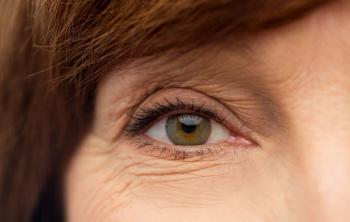
Although further research is needed, these new findings suggest that using the 2 intranasal sprays is an effective option for patients with myasthenia gravis (MG) who experience eyelid drooping.

Researchers say their findings will help inform treatment protocols for this patient population, as questions remain about optimal duration of these treatments following first-line treatment with pyridostigmine.

The report found a selective serotonin reuptake inhibitor (SSRI) did not offset the effects of myasthenia gravis (MG) medication.

Myasthenic crisis has been estimated to occur in up to 30% of patients with myasthenia gravis after thymectomy.

A 68-year-old man was diagnosed with ocular myasthenia gravis after presenting with double-vision and photophobia.
Survey data from over 200 patients showed that treatment discontinuation was lower for those taking mycophenolate or methotrexate than for those taking azathioprine for their myasthenia gravis (MG).
In addition to her advanced age and obesity status, the patient had a history of pulmonary embolism managed with an inferior vena cava filter, increasing her risk of thrombosis.

COVID-19 and worsening myasthenia gravis (MG) were the most common treatment-emergent adverse events, the study found.
Over a median follow-up time of nearly 3 years, three-fourths (72.8%) of patients with myasthenia gravis (MG) were hospitalized and half visited the accident and emergency department.

A series of case studies reveals the importance of early diagnosis and involvement of special teams of clinicians when dealing with potential cases of overlap syndrome, which encompasses myocarditis, myasthenia gravis, and immune checkpoint inhibitor–related myositis.
A new survey has found that most patients who have generalized myasthenia gravis who switched from eculizumab to ravulizumab preferred the latter.

Researchers explain that these insights have important implications, if validated in further research, as challenges with early detection of dilated cardiomyopathy complicate myasthenia gravis (MG)-prognosis.
Analyzing trends from online conversations among patients with myasthenia gravis (MG), researchers found that issues with current treatments were mentioned in nearly 24% of conversations.

259 Prospect Plains Rd, Bldg H
Cranbury, NJ 08512
© 2025 MJH Life Sciences®
All rights reserved.