
Health Care Cost
Latest News
Advertisement
Latest Videos







Podcasts
CME Content


Advertisement
More News

Data from 2019 to 2023 show 9.2% of adults with obesity reported cost-related medication adherence.

Up to 257 million Americans could benefit from these prior authorization reforms that could have cross-market implications on health care plans administered through commercial insurers, Medicare Advantage, and Medicaid.
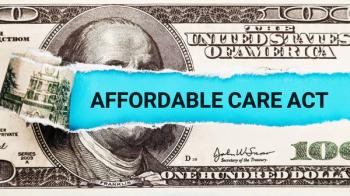
Widespread noncompliance with federal cost-sharing rules exists, particularly impacting Medicare beneficiaries and patient-preferred prep options, study finds.

The recent FDA approval of lenacapavir is encouraging in its promise of long-term HIV prevention but might not be available for the vast majority of people in the US.

It's a critical time to spotlight the dire health disparities affecting Black Americans, from premature deaths to maternal care, and the urgent need for systemic reforms.

Discontinuing the weight loss treatment before hitting the recommended maintenance dose contributes to low-value care despite provider follow-up and efforts to manage side effects, says Hamlet Gasoyan, PhD, Cleveland Clinic.
The FDA approval marks the first approval of a type of pre-exposure prophylaxis that would only require 2 treatments per year.

Pharmacists are being asked to not only manage medications and side effects but also be fiscally responsible for the whole institution and its trickle-down effect on costs, said David Awad, PharmD, BCOP, of Robert Wood Johnson University Hospital.

The country has seen historic reductions in uninsured rates and improvements in affordability since the implementation of the Affordable Care Act, the Commonwealth Fund scorecard shows.
Real-world cost barriers and insurance denials contribute to early discontinuation of injectable glucagon-like peptide-1 (GLP-1) receptor agonists, reducing their effectiveness for weight loss, explains Hamlet Gasoyan, PhD, Cleveland Clinic.
Explore how health equity and policy shape outcomes, revealing disparities in kidney disease, atopic dermatitis, and cancer care for vulnerable populations.

Risk factors for financial toxicity in a nationally representative survey included involuntary unemployment, transient loss of health insurance, and high-deductible health plans.

A private oncology shared savings plan reduced colon cancer treatment costs. Results varied by tumor, with none in breast cancer and mixed effects in lung cancer.

Constance Blunt, MD, medical oncologist, Mary Bird Perkins Cancer Center, discusses the potential consequences of losing free health care screening coverage.
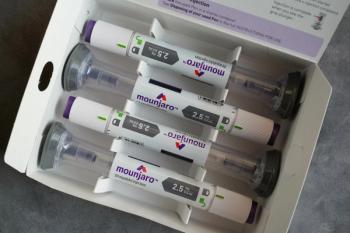
Patients who remained on treatment, especially at higher doses or on tirzepatide, were more likely to achieve clinically meaningful weight loss and improved glycemic control.

Adolescents face significant barriers to obesity medication access, despite a surge in prescriptions. Discover the disparities and potential solutions in obesity care.
Trump's sweeping health care overhaul faces scrutiny, risking coverage for millions while igniting bipartisan tensions over fiscal and social impacts.

The Congressional Budget Office estimates the package would add $2.4 trillion to the national deficit over a decade and leave 10.9 million more Americans without health insurance.

Tariff increases threaten the US economy and health care costs, impacting managed care affordability and member financial stability.

African American and Latino older adults with Alzheimer disease and related dementias and their families are likely to face disproportionately high burdens, primarily associated with unpaid caregiving, suggesting the need for policies that may reduce economic burdens for all US residents.

Systemic barriers beyond just the price of drugs can impact health care costs, emphasizing the need for comprehensive affordability solutions, explained H. John Beardsley, MBA, of CoverMyMeds, and Fauzea Hussain, MPH, of McKesson.

The proposed 2026 HHS budget slashes National Institutes of Health (NIH) funding by 40%, alarming health experts and threatening vital research and public health initiatives.
Constance Blunt, MD, medical oncologist, Mary Bird Perkins Cancer Center, shares how one mobile health care initiative is addressing critical barriers to medical access for underserved populations.
A quick roundup episode of major health policy developments, from shifting COVID-19 vaccine guidance and scientific publishing controversies to rising cancer care costs and the impact of oncology biosimilars.

This contributor column discusses a recent study that shows the 340B Program’s explosive growth is overwhelmingly due to utilization increases, not price.
Advertisement
Advertisement
Trending on AJMC
1
TrumpRx Launch Brings Savings—and Uncertainty
2
As Cencora Closes With OneOncology, Patton Says Terms Show “Trust”
3
Asundexian Reduces Risk of Stroke Recurrence in Phase 3 OCEANIC-STROKE Trial
4
Benefits, Tradeoffs of Medically Integrated Dispensing in Oncology Care: Katherine Tobon, PharmD, BCOP
5