

New data show how systemic inflammation independently raises the risk of CKD progression and cardiovascular events after acute myocardial infarction.
New data show how systemic inflammation independently raises the risk of CKD progression and cardiovascular events after acute myocardial infarction.

Nicole A. Caffiero, PharmD, MBA, BCACP, concluded AMCP 2026 by highlighting key themes shaping the specialty drug market.

AMCP 2026 spotlighted oncology innovation, AI, and payer strategies, with KOL insights on cost, access, and evolving managed care trends.

Experts from AMCP emphasize the importance of drug-adjacent early detection tests and screening ability to improve patient outcomes.

Experts from AMCP discuss the real-world evidence on GLP-1 usage and health care spending.

Daryl Pritchard, PhD, discusses the challenges to implementing biomarker testing that would advance precision medicine and improve patient outcomes in oncology.

At AMCP 2026, Kelsea Aragon, PharmD, discussed PrEP coverage, long-acting injectables, and payer strategies to improve HIV treatment access and adherence.

At AMCP 2026, Adam Colborn, JD, warns the Alternatives to PAIN Act may expand access but risk destabilizing Medicare Part D and limiting plan participation.

Abby Kim, PharmD, delves into oncology trends, biomarker testing gaps, and evolving clinical pathways shaping precision care and treatment decisions.

Ben Urick, PharmD, PhD, examines GLP-1 coverage gaps and real-world evidence challenges shaping payer decisions and obesity treatment access.

Experts at AMCP 2026 urged smarter oncology management amid rising costs, complex therapies, and fragmented oversight across plans.

During an afternoon AMCP 2026 session, experts called for integrated clinical and payer care models to combat rising metabolic disease prevalence, costs, and complexity.

At AMCP 2026, Daryl Pritchard, PhD, highlighted fragmentation, evidence gaps, and decision support needs limiting precision medicine adoption and outcomes.

Kelsea Aragon, PharmD, highlights the role of long-acting HIV therapies like lenacapavir and cabotegravir in improving adherence, flexibility, and prevention access.

An AMCP 2026 session emphasized the need to shift to workflow-integrated AI by 2030 and stressed the importance of governance, trust, and scalable implementation.

Patty Taddei-Allen, PharmD, MBA, warns that co-pay accumulators and maximizers may lower plan costs but increase patient burden and disrupt medication adherence.

Adam Colburn, JD, highlights 3 federal bills to expand value-based care, digital therapeutics, and pharmacist reimbursement across Medicare and Medicaid.

Experts at AMCP 2026 outlined volatility across the health care landscape that may impact the upcoming midterm elections.

Rapid advances in precision oncology are exposing gaps in testing, treatment access, and care delivery, challenging managed care to keep pace.

Two posters presented at AMCP 2026 found low dry eye disease (DED) treatment uptake and frequent discontinuation among Medicare patients, whereas comorbid DED did not affect glaucoma adherence.

Two posters presented at AMCP 2026 suggest improving GLP-1 adherence and access may enhance outcomes and lower obesity-related costs.

Health care professionals will gather in Nashville next week for AMCP 2026 to discuss key topics in the space, including AI use and medication access.

Federal policy changes, the push for fair pricing, and growing competition in the drug pipeline were major topics at this year’s meeting.

The Ensuring Community Access to Pharmacist Services (ECAPS) Act of 2025 (H.R. 3164) aims to ensure vital pharmacy services and access to care for underserved communities.
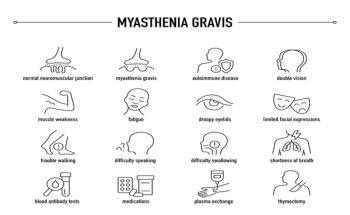
Research presented at the recent annual meeting of the Academy of Managed Care Pharmacy highlights outcomes among patients who have anti-acetylcholine receptor antibody-positive myasthenia gravis that include reduced exacerbations and need for immunoglobulin.

Elinzanetant significantly reduced the frequency and severity of vasomotor symptoms, known as hot flashes, compared with placebo across body mass index (BMI) and smoking status subgroups.

JC Scott, CEO and president of The Pharmaceutical Care Management Association, discusses current efforts in increasing biosimilar adoption and pharmacy benefit manager (PBM) reform.

Study participants treated with elinzanetant experienced significantly reduced hot flash frequency vs paroxetine, desvenlafaxine, and gabapentin in a new meta-analysis.

Laura Bobolts, PharmD, BCOP, senior vice president of clinical strategy and growth at OncoHealth, shares how health care leaders are advancing value-based care through improved data strategies, real-world evidence, and AI-driven efficiencies, without losing the human touch.

Adam Colborn, JD, associate vice president for congressional affairs, Academy of Managed Care Pharmacy, highlights key policy updates that are impacting managed care pharmacy.