



Center on Health Equity & Access
Latest News
Advertisement
Expert Insights
Hear what thought leaders have to share about the Center on Health Equity & Access.
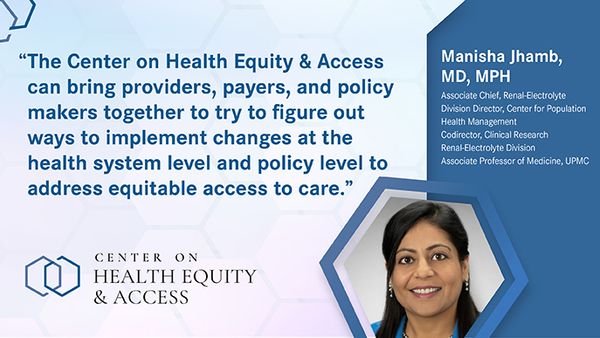
Expert Insights
Hear what thought leaders have to share about the Center on Health Equity & Access.
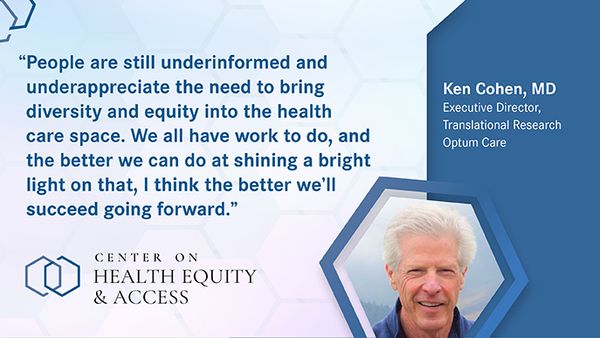
FDA Denies MDMA-Assisted Therapy Despite Promising Trial Results
Leaders respond to the complete response letter issued by the FDA, seeking answers and calling for more progress to aid the veteran community and others experiencing PTSD. Learn more with the full article from AJMC®!
Video Series
Latest Videos




Shorts

0:34
Future Challenges in CPFE Research, Treatment: Yet Khor, MD, PhD
4 days ago
by
Sabrina McCrear(+1 more)

1:00
The Changing Treatment Landscape in Myeloma: Swarup Kumar, MD
4 days ago
by
Swarup Kumar, MD(+1 more)

0:53
The Hidden Biases in Clinical Trial Criteria: Karilyn Larkin, MD
11 days ago
by
Karilyn Larkin, MD(+1 more)

1:22
Expanding Treatment Access Via Academic-Community Ties: Amandeep Godara, MBBS
12 days ago
by
Brooke McCormick(+1 more)

2:05
Bridging Geographic Gaps in Specialized Cancer Care: Christos Vaklavas, MD
13 days ago
by
Brooke McCormick(+1 more)

0:59
Expanding NSCLC Biomarker Testing Access: Shiven B. Patel, MD, MBA
13 days ago
by
Brooke McCormick(+1 more)

1:43
Grocery Assistance Supports Better Diabetes Outcomes: Jeff Romine, PhD
17 days ago
by
Brooke McCormick(+1 more)

0:50
Pharmacists Gain Reimbursement Through Expanded Coverage Mandates: Sally Rafie, PharmD
a month ago
by
Sally Rafie, PharmD(+1 more)

0:52
Pharmacy Access to Medication Abortion Care: Sally Rafie, PharmD
a month ago
by
Sally Rafie, PharmD(+1 more)

1:49
Metastatic Cancer Drives Higher Medicaid Spending Across Payment Models: Anuraag R. Kansal, PhD
a month ago
by
Brooke McCormick(+1 more)
Podcasts
Advertisement
More News

Patient factors and access barriers are reshaping treatment sequencing and individualized care for relapsed multiple myeloma, Amandeep Godara, MBBS, said.
Community oncology leaders urge 340B overhaul so drug discounts follow vulnerable cancer patients, with audits, transparency, and tighter contract-pharmacy rules. This commentary will be featured on the Cover of the October issue of Evidence-Based Oncology.

Christos Vaklavas, MD, discussed barriers limiting rural oncology access and challenges to adopting resource-intensive therapies.

FDA cut required monitoring for tarlatamab’s first 2 doses from 22-24 hours to 6-8 hours, easing a barrier to community cancer care.

Endometriosis was found to nearly double absenteeism and work-ability impairment, according to one study.
Trial, transplant equity gaps in AML; Texas Medicaid funding dispute; pediatric GLP-1 access gaps; earlier biologic use; eye care restores vision.

New Harris Poll data show mental health, access, and postpartum care gaps persist for US mothers, with Black and Hispanic women hit hardest.

GLP-1 prescribing among children aged 8 to 11 years with obesity rose 310-fold from 2019 to 2026, but use remains rare and unevenly distributed by income.
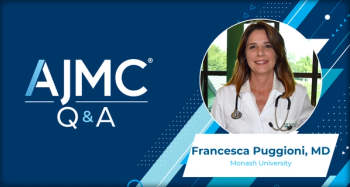
Francesca Puggioni, MD, discusses real-world exacerbations, biomarker-driven access, and barriers to earlier biologic use in asthma and COPD.

The ACCESS program gave underinsured patients free specialty eye care at one center, restoring vision and cutting disability costs, a study found.
CMS is withholding $9.8 billion in Texas Medicaid hospital funding tied to CHIRP, costing hospitals $27 million a day in a tax dispute.

Lung transplant candidates are aging rapidly, while cystic fibrosis decline in children shifts pediatric transplant toward sicker, more complex patients.

CMS awarded NY, RI, and MI Rural Health Transformation Program funding to expand rural health care workforce and technology access.

Cleveland heart failure experts discuss the new HFpEF pathway, CKM screening gaps, and drug access barriers.

COPD care gaps, financial strain, and sex disparities negatively impact patient outcomes and quality of life, according to the findings of 2 posters.

Exposure prevention, primary care capacity, and digital health equity all shape the future of respiratory disease care.
gMG rescue therapy hinges on hospital access; grocery aid cuts diabetes complications; trials, CAR T strain oncology; myeloma faces logistics barriers.

Community oncologists are steadily adopting bispecific antibodies for myeloma, but advance planning and tocilizumab remain key to safe access.

Grocery Assistance Shows Potential in Diabetes Care and Beyond
Published: | Updated:
August authors Jeff Romine, PhD, and Kofi Essel, MD, MPH, found grocery assistance linked to fewer diabetes complications and better medication adherence.
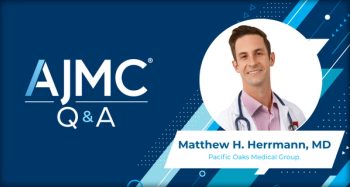
Long-acting injectables help patients overcome stigma and adherence barriers in HIV care, explained Matthew H. Herrmann, MD, AAHIVS.

A cohort study found lower breast cancer screening odds in the most redlined census tracts, independent of present-day social vulnerability.
An infectious disease specialist discusses HIV prevention barriers facing Black women and how long-acting options and education can close gaps.
Christos Vaklavas, MD, discusses geographic and telehealth barriers to cancer care access across Utah and the broader Mountain West.

Experts discuss what SCAN Health Plan's new Medicare Advantage (MA) partnership with Costco could mean for beneficiaries, competition, and costs.

Shiven B. Patel, MD, MBA, discussed strategies for overcoming tissue limits, delays, and rural access gaps in NSCLC biomarker testing at an IVBM event.
Advertisement
Advertisement
Trending on AJMC
1
Delayed Dupilumab Raises Asthma Costs 32%: Nicola Hanania, MD
2
FDA Expands Finerenone Approval to CKD Associated With Type 1 Diabetes
3
Regorafenib Prescribing in Advanced GIST Deviates From Guidelines
4
A Patient-Centered Reconstruction of 340B in Oncology: Transparency, Equity, and Site-of-Care Accountability
5