




Mental Health
Latest News

Advertisement
Latest Videos






Podcasts
Advertisement
More News
Previous research has tied the loosening of permit-to-purchase and concealed carry laws to increased firearm suicide rates.
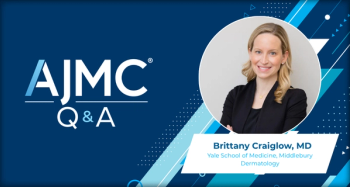
Brittany G. Craiglow, MD, FAAD, discusses the psychiatric and psychosocial toll of alopecia in children and adolescents, and its impact on treatment initiation.

In a small, placebo-controlled trial, oral semaglutide reduced heavy drinking days and craving in adults with AUD, though it missed its primary end point.

This eta-analysis shows sleep variability—not averages—signals psychosis risk, with stage-specific patterns to guide digital biomarkers and care.

Agentic AI can fix behavioral health referral overload by matching patients to the right providers and boosting follow-through, cutting early dropout.

New research reveals complex treatment costs from MM strain patients and caregivers during active therapy, while pain goes undertreated at end of life.

Caregivers of patients with CKD report social withdrawal, strained relationships, and stigma, according to a new qualitative evidence synthesis.

The FDA issued a CRL for cytisinicline's NDA over manufacturing deficiencies at a third-party facility, with no efficacy or safety concerns cited.

A new study finds Texas's abortion ban raised the likelihood of poor maternal mental health by 2.5 points—and 7 points for mothers on Medicaid.

FDA approved Rextovy, a 4-mg OTC naloxone nasal spray, expanding access to opioid overdose reversal medications nationwide.

This analysis compared health care resource utilization and costs for Medicaid patients with serious mental illness between US states with low vs high reimbursement rates for psychiatric services.

A review finds diet, micronutrients, aerobic exercise, and mental health screening complement psoriasis treatment, lowering severity and comorbidity risk.
Manufacturing questions delay review of dexmethylphenidate candidate; no safety or efficacy concerns raised.
Trauma after cancer is underdiagnosed and often persists into survivorship, with experts urging trauma-informed screening in oncology care.

Girls and young women, as well as older teens, were more likely to report AI chatbot use for mental health advice, with Black youth more likely to engage monthly.

The combination of pharmacotherapy and psychotherapy is associated with reductions in emergency department visits and inpatient admissions along with lower total cost of care relative to either therapy alone.

Mental Health Awareness Month puts a spotlight on the prevalence of mental illness throughout the country, as well as reduces the stigma surrounding it.

Claims data linked eviction protection rollbacks to higher psychotropic prescription and SMI visits, revealing housing security’s mental health toll.
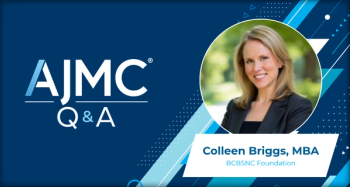
BCBSNC Foundation president Colleen Briggs, MBA, outlines youth mental health, health through food, and care access priorities, then reflects on the next 25 years.

A meta-analysis of 26 trials found that IV ketamine rapidly reduced suicidal and depressive symptoms in patients with major depressive episodes.

988 crisis centers face staffing and funding challenges despite rising demand, raising concerns about long-term sustainability.
As president of the BCBSNC Foundation, Colleen Briggs, MBA, reflects on 25 years of progress and outlines where the organization is headed next.

New executive order fast-tracks psychedelic therapy research for veterans, but VA rollout, DEA rescheduling, and insurance hurdles still loom.

The results show that semaglutide could be a novel treatment for patients with alcohol use disorder moving forward.

The BCBSNC Foundation's focus on access to care, health through food, and youth mental health aligns with broader national health trends.
Advertisement
Advertisement
Trending on AJMC
1
Preparing Practices for the Next Era of Hepatitis B Care
2
Lung Cancer Screening Lags for People With HIV as Eligibility Triples
3
VYD2311 Shows Superior Safety vs mRNA COVID-19 Vaccine
4
CMS Finalizes Mandatory GLOBE Model to Test Lower Part B Drug Costs
5