






Myasthenia Gravis
Latest News
Advertisement
Latest Videos



Shorts


Advertisement
More News

Interviews with patients living with generalized myasthenia gravis (MG) in the US revealed areas of increased burden in these patients.

A meta-analysis evaluated the efficacy of various monoclonal antibodies in treating patients with myasthenia gravis (MG).

The treatment worked in patients with generalized myasthenia gravis (gMG) regardless of previous immunosuppressive treatment or concomitant use of other gMG treatments.

Efgartigimod has recently been shown effective when investigated to treat ocular myasthenia gravis and juvenile myasthenia gravis.

Both Quantitative Myasthenia Gravis and Myasthenia Gravis Activities of Daily Living scores improved after treatment.
Poor outcomes could be predicted based on the presence of ectopic germinal centers in the thymus in patients with thymoma-associated myasthenia gravis.
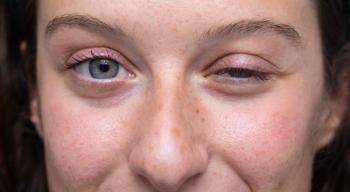
The study, evaluating the efficacy of the combination of efgartigimod alfa and hyaluronidase-qvfc, is the first to specifically evaluate those with ocular myasthenia gravis.

The incidence of very late onset of myasthenia gravis has increased in the past 50 years, which has had implications on prognosis.

Increased health care costs, use of nonsteroidal immunosuppressants, and elevated health care costs were associated with use of glucocorticoids by patients with myasthenia gravis.
The efficacy and safety of efgartigimod in pediatric patients will need to be further validated with future studies.

Patients with myasthenia gravis had a more consistent clinical response and fewer deteriorations when using add-on therapy early.
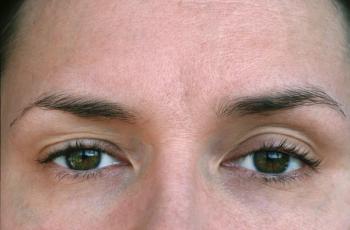
Patients with ocular myasthenia gravis (MG) should be regularly assessed to reduce the chances of progression to generalized MG.

Patients with myasthenia gravis (MG) had greater morbidity and extended hospitalization when they underwent cardiac surgery.

The serial monitoring of muscle-specific kinase (MuSK) antibodies could help in assessing the severity of the disease.

The test was more likely to have a positive response in patients with a decrement after nerve stimulation.

More than half of the young patients with myasthenia gravis (MG) responded well to the use of corticosteroids.

Empathy, knowledge, and attitudes in care for patients with myasthenia gravis were improved when using a patient-centric immersive virtual reality intervention.

A review of case studies found that patients with double seronegative myasthenia gravis (MG) had similarities in the ways their condition presented.
Minimizing the use of corticosteroids in clinical practice can help to prevent any long-term impact on patients with myasthenia gravis.

Methylprednisolone was more effective in treating thymoma compared with docetaxel but adverse effects were more common.

Patients with myasthenia gravis experience significantly higher rates of urinary incontinence and overactive bladder symptoms, impacting their quality of life.

Jonathan Strober, MD, discusses promising results from the VIBRANCE-MG trial, highlighting nipocalimab's safety and efficacy for pediatric myasthenia gravis.

Patients with generalized myasthenia gravis face significant barriers to diagnosis, creating the need for improved patient–health care interactions.

Discover the latest breakthroughs in myasthenia gravis treatment, including rozanolixizumab and nipocalimab, and insights on disease burden and dysphagia indicators.

Jonathan Strober, MD, discusses advancements in pediatric myasthenia gravis, emphasizing the need for better treatment standards and effective patient care strategies.
Advertisement
Advertisement
Trending on AJMC
1
MASH Fibrosis, Not Resolution, Predicts Mortality: Zobair Younossi, MD
2
FDA Approves Once-Monthly Subcutaneous Olanzapine for Schizophrenia
3
Multi-Hit TP53 Linked to Shorter Survival in Chronic-Phase MPN Cohorts
4
Navigating GLP-1 Access & Prior Authorizations: Amanda Velazquez, MD
5