Articles by Karen Jacobson-Sive
Patients with myelodysplastic syndromes (MDS) who undergo allogeneic hematopoietic stem cell transplantation (allo-HSCT) are older and face worse outcomes compared with non-MDS patients, according to posters presented at the 2024 American Society of Hematology meeting.
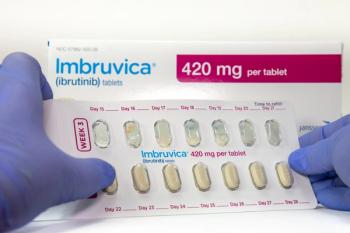
The long-term safety of ibrutinib was proven in patients with newly diagnosed or relapsed or refractory (R/R) chronic lymphocytic leukemia (CLL) and small lymphocytic lymphoma (SLL).

Subcutaneous ocrelizumab (SC OCR) was found to be safe for patients with relapsing and primary progressive multiple sclerosis (RMS/PPMS).

Secondary immunodeficiency disease (SID) status was associated with significantly higher risk for severe bacterial infections in adult patients with chronic lymphocytic leukemia (CLL)/small lymphocytic lymphoma (SLL).

The rate of frailty among patients with multiple sclerosis (MS) ranges from 17% to 66% among ambulatory patients, and frailty among MS patients is linked to a host of complications.

War-related psychological stress was associated with increased MRI-detected disease activity in patients with multiple sclerosis (MS).
Conventional parameters for risk stratification prognosis for patients with low-risk myelodysplastic neoplasms, especially bone marrow blast percentage, drop their clinical significance once molecular lesions are included in prognostic scores.

Aerosolized vascular endothelial growth factor/stromal cell-derived factor-1α (VEGFNP/SDFNP) led to a lower pulmonary arterial pressure and prevented right ventricular hypertrophy after monocrotaline (MCT) injection in rats.

Myasthenia Gravis Foundation of America (MGFA) class correlates with activities of daily living and other clinical characteristics on a group level, but individual variability is significant between patients of the same MGFA class.

Recent insights shed light onto the most effective diagnostic tools for laryngeal myasthenia gravis (MG), a poorly understood and often misdiagnosed condition, is most reliably.

Meaningful change thresholds for the EORTC Quality of Life Questionnaire in chronic lymphocytic leukemia (CLL) or small lymphocytic lymphoma (SLL) are: −11/+11 for symptom burden, −16/+16 for physical condition/fatigue, and −16/+13 for worries/fears.

High cumulative doses of epipodophyllotoxins were associated with the highest risk for survivors of childhood cancer of developing late subsequent leukemia.

For some patients with myasthenia gravis (MG), activity and sleep were associated with reported fatigue and symptom levels.

Patients with myasthenia gravis (MG) largely expressed negative emotions around MG treatment and symptom burden in patient focus groups and on MG social media discussion boards.

Most patients with pulmonary arterial hypertension (PAH) suffered from poor sleep quality, and dyspnea was a significant predictor of sleep quality, independent of disease severity, according to this study.

Rigorous surveillance of children at high risk for developing myelodysplastic syndrome (MDS) is especially warranted, according to researchers.

Perspectives of patients with spinal muscular atrophy (SMA) and their caregivers should be weighed before making decisions around SMA-enhancing treatments.

Rituximab-induced interstitial lung disease in patients with non-Hodgkin lymphoma presents with distinct clinical characteristics and bronchoalveolar lavage results.

The long-term response rate for zanubrutinib was better than ibrutinib in patients with relapsed/refractory chronic lymphocytic leukemia (CLL) and small lymphocytic lymphoma (SLL).

Oral function should be measured routinely to determine individual bulbar involvement stages in spinal muscular atrophy (SMA).

Patients with low-count chronic lymphocytic leukemia phenotype monoclonal B-cell lymphocytosis had a 1.86-fold greater risk of melanoma.

CNTN1 and NRXN3 clearly differentiated severe and milder forms of spinal muscular atrophy (SMA).

Three patients with RPE65-related retinopathy showed improved function in both eyes following gene augmentation therapy treatment with voretigene neparvovec.

Capivasertib, in combination with venetoclax, produced promising responses in preclinical models of diffuse large B-cell lymphoma (DLBCL).
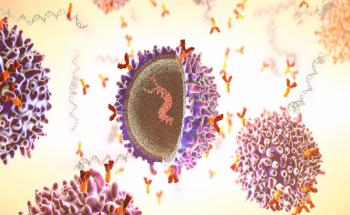
B-cell activating factor receptor chimeric antigen receptor (CAR) T-cell therapy caused cytotoxic effects on all chronic lymphocytic leukemia (CLL) cell lines.

Patients with sickle cell anemia (SCA) and persistent albuminuria (PA) exhibited significantly higher levels of urinary angiotensinogen (AGT).

Immunosuppressants used in adeno-associated virus (AAV) gene therapy for monogenic disorders present an adverse effect profile that is consistent with high-dose steroid use in other conditions, according to a meta-study that analyzed immunosuppressive protocols.

Celiac disease presents a higher risk for developing malignant neoplasms, including small intestine, lymphoma, and skin cancers, but presents a lower risk for respiratory malignancies.

Donor lymphocyte infusion, both alone and in combination with azacitidine, restored CD34 levels in two-thirds of patients with a baseline CD34 donor chimerism of less than 80%.
Researchers have discovered 2 leukemia stem cell subtypes with distinct epigenetic and transcriptional signatures.