





Sleep
Latest News
Advertisement
Latest Videos




Shorts


Advertisement
More News

MRI Shows Hypothalamic Atrophy in Narcolepsy Type 1, Sparing Subregion
Published: | Updated:
This study links NT1 to anterior hypothalamus shrinkage, advancing orexin/hypocretin insights and a potential biomarker for narcolepsy with cataplexy.

A narrative review finds insomnia is a consistent, dose-dependent cardiovascular risk factor, but trials have not shown that treatment lowers risk.

The FDA has approved oveporexton (Orzeyful), the first orexin agonist for narcolepsy type 1, based on phase 3 data showing broad symptom improvement.
A foundation model built on routine sleep studies outperformed the apnea-hypopnea index (AHI) in predicting mortality and cardiovascular risk in patients with sleep apnea.
New smartwatch data show women's nighttime awakenings jump sharply at midlife—far more than men's—hinting at a menopause-linked sleep shift.

This eta-analysis shows sleep variability—not averages—signals psychosis risk, with stage-specific patterns to guide digital biomarkers and care.
The AI model matched or beat expert agreement on sleep arousal scoring, outperforming interscorer reliability across 10 scorers in an independent dataset.
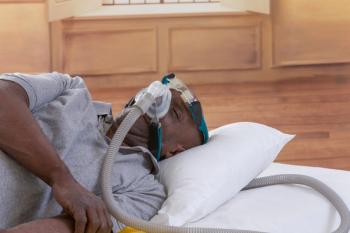
Secondary analysis of the STAR trial finds hypoglossal nerve stimulation cut hypoxic burden by 76.6%, even in some AHI-defined nonresponders.

Longer sleep is linked to lower glycemic variability and reduced deviation risk in adolescents; higher daytime variability predicted shorter subsequent sleep.

An MRI study found hypothalamic atrophy across most subregions in adults with narcolepsy type 1, with the tuberal-inferior region relatively spared.

A new review links coexisting sleep apnea and diabetes to higher stroke risk, poorer recovery, and greater vascular damage.

DUET Trial: Low-Sodium Oxybate Significantly Consolidates Nighttime Sleep Architecture in Narcolepsy
LXB significantly improved nighttime sleep architecture and daytime symptoms in narcolepsy type 1 and 2, according to phase 4 DUET study results.

A 2-week sleep/light intervention shifted teens’ circadian timing earlier, increasing weeknight sleep by about 47 minutes in a randomized trial.

Inconsistent use and wording of the “Not Better Explained” diagnostic criterion across major sleep disorder classifications may impact diagnostic accuracy, highlighting the need for greater standardization and clarity in clinical frameworks.

Study finds rural Appalachia faces soaring insomnia and sleep apnea, tied to poverty and stress, urging targeted, equity-focused sleep interventions.
Meta-analysis links obstructive sleep apnea to early kidney injury markers, especially in severe OSA and hypertension, highlighting need for renal monitoring.
Systematic review finds sleep disturbances in menopause are highly prevalent and linked to worse QOL, depression, pain, and reduced work productivity.

NHANES data reveal a US sleep crisis: Chronic sleep deprivation gaps tied to education, BMI, and food security, via Blinder-Oaxaca decomposition.

New IQ data show those with idiopathic hypersomnia and narcolepsy retain normal cognitive ability; fatigue, not sleepiness, hits working memory.

CBT for insomnia, especially digital CBT, often saves costs vs no treatment or drugs, while the cost-effectiveness evidence for hypersomnia remains absent.

Low-sodium oxybate (Xywav) reduces excessive sleep and daytime naps in idiopathic hypersomnia, with placebo withdrawal worsening sleep duration and symptoms.

Sleep-focused TNX-102 SL delivered significant benefits in a phase 3 fibromyalgia study.
New research reveals how outdoor nighttime light exposure subtly impacts sleep quality, increasing light sleep duration while affecting deep sleep in complex ways.
Obstructive sleep apnea significantly worsens mental health in older adults, increasing risks of depression and psychological distress over time.
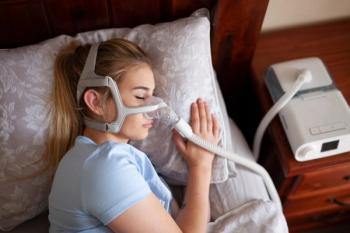
Obstructive sleep apnea may increase Parkinson disease risk, but early CPAP treatment could significantly reduce this risk.
Advertisement
Advertisement
Trending on AJMC
1
MASH Fibrosis, Not Resolution, Predicts Mortality: Zobair Younossi, MD
2
FDA Approves Once-Monthly Subcutaneous Olanzapine for Schizophrenia
3
Multi-Hit TP53 Linked to Shorter Survival in Chronic-Phase MPN Cohorts
4
Navigating GLP-1 Access & Prior Authorizations: Amanda Velazquez, MD
5