






A study conducted in China found that cybervictimization was associated with sleep problems, anxiety symptoms, and depressive symptoms in adolescents.
A study conducted in China found that cybervictimization was associated with sleep problems, anxiety symptoms, and depressive symptoms in adolescents.
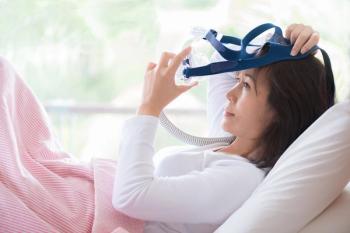
A single-center retrospective study found that positional obstructive sleep apnea (OSA) was similarly prevalent in participants with and without atrial fibrillation.
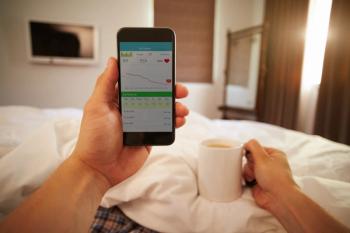
A recent study found that limits on technology set by parents may play an important part in adolescent sleep.

A randomized, double-blind study found that there was no difference in the recording quality of a home sleep apnea test between patients given in-person instruction vs video instruction, which is an important step in telemedicine diagnosis of obstructive sleep apnea (OSA).

A recent study found a J-shaped association between sleep duration and mortality in people with type 2 diabetes (T2D), with a length of 5 to 7 hours associated with the lowest risk of mortality.

The Supreme Court may vote to overturn abortion rights; Washington state reaches a $518 million settlement with 3 opioid distributors; a new study finds 7 hours of sleep is the optimal total for people of middle and old ages.
A recent study found that inflammatory parameters were reduced in patients with obstructive sleep apnea syndrome after using continuous positive airway pressure (CPAP) treatment.
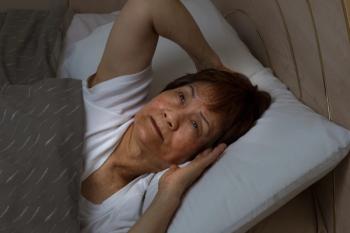
A new study has found that sleep duration and consistency during the COVID-19 pandemic were potential risk factors for decreased mental wellness.

A recent review found that periodontitis is associated with mild to moderate obstructive sleep apnea (OSA).

A recent study found that behavioral problems in adolescents with attention deficit/hyperactivity disorder (ADHD) were associated with chronotype, a person’s circadian preference.

Kleine-Levin syndrome is rare and difficult to diagnose, especially when symptoms are atypical. Recent research points to LMOD3 variations as a potential diagnostic marker if confirmed by further research.

A recent study found that Black individuals were more likely to have short and long sleep duration than their White and Hispanic counterparts.
A recent study found that nocturnal nasal congestion in patients with hypertension and comorbid obstructive sleep apnea (OSA) was associated with uncontrolled blood pressure (BP).

A study conducted in China found that infants whose mother has depression, anxiety, or a sleep disorder are more likely to have sleep disorders themselves.

The COVID-19 pandemic has affected the mental health of health care workers as well as the general population, creating a significant impact on sleep quality.

A review indicated that there may be an association between autonomic dysfunction and idiopathic hypersomnia, as well as between sleep disturbances and postural orthostatic tachycardia syndrome.
A recent study found that sleep quality deteriorated in patients whose pain levels increased while in the preoperative period.
A recent study found that older men with higher body mass index are more likely to receive a diagnosis of obstructive sleep apnea, but women are accounting for a growing number of new diagnoses.
A survey done by ResMed found that poor sleep quality was linked to depression, anxiety, and stress brought on by the pandemic.

A recent study found that children with sleep-disordered breathing who live in areas with greater socioeconomic vulnerability are less likely to meet with an otolaryngologist after being referred by their primary care physician.

A recent review concluded that polysomnography tests have objective value in assessing the effect that socioeconomic status has on sleep quality.

Pharmacological treatment trends and health care utilization rates were the focus of an observational study of Swedish patients with narcolepsy.
A recent study found that early interventions are vital in childhood cases of insomnia, as symptoms do not fully remit in at least 60% of cases.

A survey of patients with sleep apnea and those at high risk for it identified key aspects of the care pathway where patients have preferences that may inform future processes.

A study published in American Journal of Respiratory and Critical Care Medicine found that sleep disordered breathing in pregnancy led to a higher risk of both metabolic disease and hypertension up to 7 years post partum.