



Michael Thorpy, MD, director, Sleep-Wake Disorders Center, Montefiore, and professor of neurology, Albert Einstein College of Medicine, addresses the treatment of narcolepsy in recent years.
Michael Thorpy, MD, director, Sleep-Wake Disorders Center, Montefiore, and professor of neurology, Albert Einstein College of Medicine, addresses the treatment of narcolepsy in recent years.

The FDA issued a 510(k) clearance for the artificial intelligence software platform EnsoSleep, expanding its capabilities in assessing patients with chronic respiratory and cardiac conditions, as well as in pediatric populations ages 13 and above.

Children exposed to environmental stressors known to impair sleep exhibited improved sleep duration by more than 1 hour each night after undergoing a mindfulness training intervention program, with rapid-eye movement sleep improving as well.

Anne Marie Morse, DO, pediatric neurologist and sleep medicine specialist at Geisinger, discusses biologic, lifestyle, and pandemic-related factors associated with poor sleep quality in adolescents.
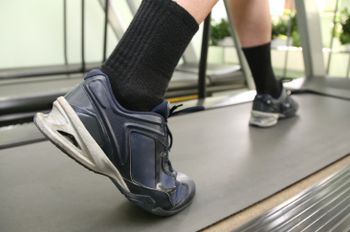
Compared with participants with high physical activity and healthy sleep, those with no moderate-to-vigorous physical activity exhibited higher risks of all-cause, total cardiovascular, and total cancer mortality.
Michael Thorpy, MD, director, Sleep-Wake Disorders Center, Montefiore, and professor, Neurology, Albert Einstein College of Medicine, discusses diagnostic components of idiopathic hypersomnia and emerging methods of treatment.

Children whose sleep apnea persist into adolescence have a 3-fold increased risk of high blood pressure and face an elevated risk of heart disease.

These review results were mixed on the use of immunotherapy to treat narcolepsy, with benefits typically being temporary.

Individuals with insomnia had 1.41 times the risk of developing hypertension, compared with people without the sleep disorder.
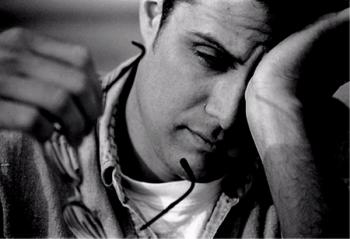
Many patients experience excessive daytime sleepiness (EDS) despite treatment for obstructive sleep apnea (OSA) and may benefit from wake-promoting drugs.
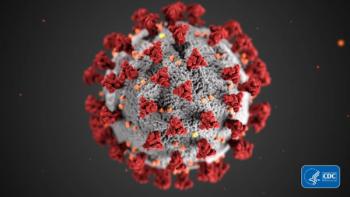
The new report, based on more than 80,000 health records, suggests positive airflow pressure therapy can reduce a patient’s risk of infection.

Long-term use of prescription sleep medications by middle-aged women provides no benefit, a new study says.

People who suffer from shift work sleep disorder face the highest risk of a car crash, although sleep apnea and insomnia also heighten a person’s risk.

Sleep disorders were found to be associated with significantly higher rates of health care utilization and cost, accounting for $94.9 billion in costs each year in the United States.

The group-based Sleep Apnea Management clinic at Cleveland Clinic's Sleep Disorders Center increased criteria-met adherence to positive airway pressure (PAP) therapy by 20% in patients with obstructive sleep apnea (OSA).

For each hour that an employee’s work schedule deviated from their natural body clock, their odds of having high cardiovascular risk increased by 31%.

The FDA decision on Xywav in idiopathic hypersomnia is expected in the third quarter of 2021.

Use of positive airway pressure therapy for obstructive sleep apnea was associated with a lower risk of developing Alzheimer disease, dementia, and mild cognitive impairment in older adults.

Music therapy among older adults was associated with significant improvements in sleep quality, with sedative music cited as more effective than rhythm-centered music.

Unconscious wakefulness during nighttime sleep, known as cortical arousal, was significantly associated with an increased risk of cardiovascular-related death and death from any cause, with women especially at notable risk.

Over a 14-year period, active-duty US military members reported a marked 45-fold increase in rates of insomnia and 30-fold increase in rates of obstructive sleep apnea.

Students attending middle school and high school exhibited significantly improved sleep duration and daytime sleepiness with later school start times, while elementary school students were shown to be minimally affected by earlier start times.

Approximately 45% of patients with obstructive sleep apnea were shown to present with nonalcoholic fatty liver disease, with age and weight indicated as significant predictors of high fibrosis score risk.

A recently launched campaign by Jazz Pharmaceuticals and the Hypersomnia Foundation spotlights a lack of knowledge on idiopathic hypersomnia, as well as how care teams can optimally screen for symptoms and care for patients with the debilitating sleep disorder.

Researchers found a small, yet statistically significant association between sleep disruption and depressive symptoms in children and adolescents.