

Conference Coverage
about 10 hours ago
Asymptomatic C Diff Complicates Care for High-Risk Patientsabout 13 hours ago
CKD Alert Design May Limit Clinician Action: Antoine Créon, MDabout 14 hours ago
Should Pregnant Patients Be Screened for Measles Immunity?about 14 hours ago
From Functional to True Hepatitis B Cure: Jordan Feld, MD, MPHabout 17 hours ago
mRNA-1283 Lowers COVID-19 Hospitalization Risk in Adults 65 and Olderabout 17 hours ago
Managing AI Vendors and Data Risk in Oncology: Larry BilbreyLatest Content

Oct 26, 2026 | News
FDA Approves Talazoparib Plus Enzalutamide for HRR-Mutated mHSPC

Closing Cancer’s Posttreatment Care Gap: Bhavana Bhatnagar, DO
Oct 26, 2026

FDA Approves At-Home Subcutaneous Induction for Risankizumab in Crohn Disease
Oct 26, 2026
Closing the Gap in Thromboprophylaxis: A Multidisciplinary Quality Improvement Approach Among Medical Inpatients
Oct 26, 2026

BriaCell Bets an Off-the-Shelf Cell Vaccine Can Extend Life After ADCs in Metastatic Breast Cancer
Oct 26, 2026







Advertisement
Shorts

0:40
Choosing CLL Therapy With Patients: Adam S. Kittai, MD
5 days ago
by
Adam S. Kittai, MD(+1 more)
1:20
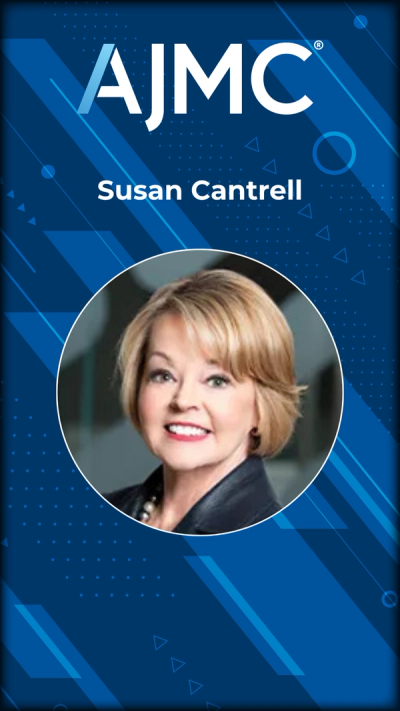
A Decade of Evolution in Managed Care Pharmacy: Susan Cantrell
7 days ago
by
Brooke McCormick(+1 more)

0:51
The Hidden Cost of Indefinite Myeloma Treatment: Prerna Mewawalla, MD
7 days ago
by
Prerna Mewawalla, MD(+1 more)

0:45
Helping Cancer Patients Thrive Throughout Survivorship
12 days ago
by
Bhavana (Tina) Bhatnagar, DO(+1 more)
0:33
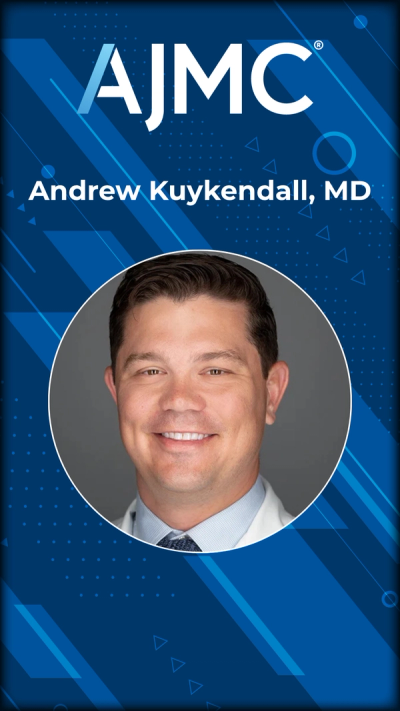
Understanding Anemia and Dosing Control With Rusfertide
13 days ago
by
Andrew Kuykendall, MD(+1 more)

0:43
A Surprising Find on Vaccine Adverse Effects: Michael Mina, MD, PhD
13 days ago
by
Sabrina McCrear(+1 more)

0:48
The Word That Changes Parent Minds
13 days ago
by
Sabrina McCrear(+1 more)

1:41
CGDB vs EMR Overall Survival in Small Cell Lung Cancer: Dan Lin, PhD
15 days ago
by
Connie Buckmaster(+1 more)
0:30
Bispecifics Benefits Still Uncertain in CLL: Kerry Rogers, MD
15 days ago
by
Kerry Rogers, MD(+1 more)
0:48
The Implications of Value-Based Pricing in CMS: Peter Neumann, ScD
19 days ago
by
Connie Buckmaster(+1 more)
Personalized Expert Insights
Have a question about bispecific therapy? Connect with experts who have the answers.

Center on Health Equity & Access
Start seeing what truly shapes access and learn how you can redefine the landscape.

Stay Ahead of Clinical and Policy Change
AJMC's e-newsletter features payer-focused insights across priority disease areas.












Center on Health Equity & Access





Advertisement
All News
Advertisement

Nevena Vicic, MSc, discusses first real-world data showing mRNA-1283 protected adults 65 and older from COVID-19 hospitalization in 2025-2026.
He sees progress in Richter combination therapies, explains how patient goals shape CLL treatment, and reflects on mentoring trainees.
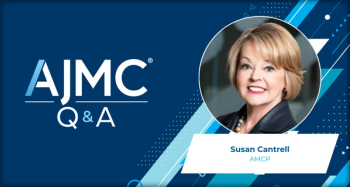
CEO Susan Cantrell previews AMCP Nexus 2026, discussing AI, drug pricing, emerging therapies, and a decade of change in managed care pharmacy.
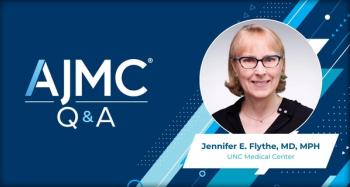
Jennifer Flythe, MD, MPH, discusses individualizing dialysis volume management and why guideline-directed therapy use lags in advanced CKD.

Povetacicept reduced proteinuria by 52% vs 4.3% with placebo at week 36 in adults with IgA nephropathy in the phase 3 RAINIER trial’s interim analysis.

Outpatient dialysis for unfunded patients with ESKD cut ED reliance and costs, while church-based CKD screening improved blood pressure.

Asian expert consensus updates mantle cell lymphoma treatment guidelines, highlighting uneven BTK inhibitor, ibrutinib and CAR T-cell access across Asia.

At ASN Kidney Week 2026, experts said value-based kidney models improved dialysis starts, but payment cuts and MA growth are pushing practices out.

At IDWeek 2026, IDSA and HIVMA leaders and clinician advocates outline how stories, relationships, and bipartisan outreach shape ID and HIV policy.

Insulin icodec-abae becomes the first once-weekly basal insulin cleared for children 10 years and older with type 2 diabetes.
Advertisement
Advertisement
Trending on AJMC
1
IDWeek Studies Tie RSV, Flu, and COVID-19 to Harm After Acute Illness
2
Preparing for Hepatitis B Functional Cure: Jordan Feld, MD, MPH
3
Povetacicept Cuts Proteinuria by 52% in IgA Nephropathy at Week 36
4
Nephrologists Weigh Wins, Losses From 5 Years of Value-Based Kidney Care
5