A case study shows positive outcomes following allogeneic stem cell transplantation in a patient with highly refractory MM and therapy-related MDS/AML.
A case study shows positive outcomes following allogeneic stem cell transplantation in a patient with highly refractory MM and therapy-related MDS/AML.

MASH cirrhosis carries high risks of death, decompensation, and liver cancer—especially with type 2 diabetes—while predictive tools remain limited.

Psoriasis carries significant psychological and social burden, but adding mind-body approaches like CBT to treatment may improve mental health and outcomes.

Deuruxolitinib shows consistent efficacy across subgroups and drives early hair regrowth in severe alopecia areata, with gains seen by 8 weeks.

There was comparable 12-month fitness and functional outcomes in lymphoma survivors, suggesting a scalable option to expand access to cardio-oncology care.

Late diagnosis of hepatitis B and C remains common and is driven by factors like older age, male sex, comorbidities, and limited healthcare engagement.

Inconsistent use and wording of the “Not Better Explained” diagnostic criterion across major sleep disorder classifications may impact diagnostic accuracy, highlighting the need for greater standardization and clarity in clinical frameworks.

CHECK-US data show chronic hand eczema is driven by multiple triggers and linked to moderate disease severity and significant quality-of-life burden.

Cardiac MRI tissue characterization can detect early, low-burden transthyretin cardiac amyloidosis and accurately distinguish it from similar conditions, a study found.

Biologic-naïve status and higher inflammation predict rapid skin clearance with psoriasis biologics, while palmoplantar disease may limit response.

Repeated at-home stool DNA screening shows higher real-world adherence than colonoscopy, boosting early colorectal cancer detection and cutting deaths over 10 years.

Strength and aerobic training improves cardiorespiratory fitness, functional capacity, and muscle strength more than aerobic exercise alone in heart failure.

Chronic skin diseases are increasingly being understood as systemic conditions driven by the interconnected brain-gut-skin axis.

Dual inhibition of BIRC5 and MCL-1 showed strong synergistic activity in preclinical models of MCL.

A machine learning model using routine clinical data more accurately predicted 5-year heart failure risk in patients with CKD than traditional tools.

Education and personal factors influence willingness more than physician recommendation alone, a new study found.

Combining traditional dermatopathology with PCR-based molecular testing improves diagnostic accuracy in differentiating eczema from psoriasis, particularly in ambiguous cases.

Emerging diabetes therapies are transforming MASLD treatment by addressing both metabolic dysfunction and liver disease, with new approvals and a growing pipeline signaling a shift in care.

The LPI/GPR55 axis is a key driver of MAFLD/MASH progression by promoting liver fat accumulation, inflammation, and fibrosis.

Nerandomilast may represent a meaningful addition to the treatment arsenal, offering patients and clinicians a new option for pulmonary fibrosis.


Rapid genetic test for IVF identifies FSHR variant in 60 minutes, guiding IVF hormone selection and improving in vitro fertilization success.

GLP-1s and SGLT2s were associated with improved kidney outcomes and no increased safety risks in patients with T1D and CKD.
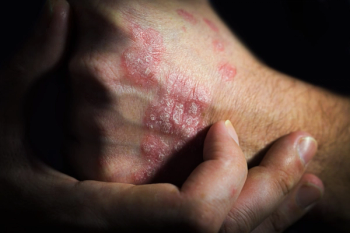
A phase 3 clinical trial found that the ustekinumab biosimilar CT-P43 demonstrated equivalent efficacy, safety, and immunogenicity to reference ustekinumab in patients with moderate to severe plaque psoriasis.

The studies provide a clearer picture of how CKD affects everyday life for those managing the disease.
Resmetirom shows sustained quality-of-life gains in MASH and cirrhosis, easing abdominal symptoms and disease worry as liver fat drops.
Artificial intelligence is emerging as a powerful tool for improving the diagnosis, phenotyping, and treatment of inflammatory skin diseases such as alopecia.

Machine learning–based risk prediction models, particularly gradient boosting, can accurately identify early clinical indicators of CKD.
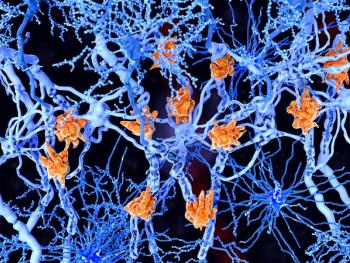
A prospective study of first-degree relatives of patients with MS found that this high-risk population faces significantly elevated incidence rates and has strong willingness to participate in prevention trials.

September 23rd 2025