

The analysis of 3 dozen studies found similarities and differences in motivating factors for and against clinical trial participation among patients with the 2 autoimmune diseases.
The analysis of 3 dozen studies found similarities and differences in motivating factors for and against clinical trial participation among patients with the 2 autoimmune diseases.

Data come from patients with stage 3 melanoma enrolled in a phase 3 randomized trial and showed that detection of circulating tumor DNA (ctDNA) prior to adjuvant systemic therapy can predict risk of early recurrence.
Participants in the CLL11 trial and a smaller group of patients followed after study completion showed improved overall survival with obinutuzumab and chlorambucil (G-Clb) compared with chemotherapy plus rituximab or chemotherapy alone for chronic lymphocytic leukemia (CLL).
The findings come from a review of 4 randomized clinical trials, which found that statin use at the start of treatment was associated with improved cancer-related survival, overall survival, and progression-free survival.
Increased levels of human leukocyte antigen G (HLA-G) were associated with inferior overall survival.
The results offer some of the first glimpses into real-world findings of the Janus kinase inhibitor in patients with myelofibrosis (MF) and anemia.

Combining immunotherapy with chemotherapy shows promise in enhancing survival rates for extensive-stage small cell lung cancer (ES-SCLC).

Immediate local flap or skin graft following basal cell carcinoma (BCC) can be considered, a study found.

Tocilizumab has emerged as a key treatment for rheumatoid arthritis, showing efficacy, safety, and potential cardiovascular benefits in recent studies.

Even with prevention measures and timely, aggressive intervention, tumor lysis syndrome (TLS) remains life-threatening, as a case study in small cell lung cancer (SCLC) illustrates.

The risk of some skin cancers, including squamous cell carcinoma, basal cell carcinoma, and non-melanoma skin cancer, was particularly heightened among patients with severe mucous membrane pemphigoid.
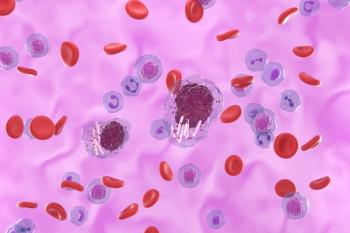
Acalabrutnib plus venetoclax, with or without obinutuzumab, improved progression-free survival (PFS) compared with chemoimmunotherapy (CIT) in patients with untreated chronic lymphocytic leukemia (CLL), meeting the phase 3 AMPLIFY study’s primary endpoint.

Data from patients across 3 different randomized controlled trials showed improvements in both adiponectin and PRO-C3, primary end points in the trials.

Findings from the interviews offer insight into potential strategies for reducing binge eating among patients who experience food insecurity.

Data from a meta-analysis of 8 observational studies accounting for more than 26 million people across the globe were evaluated in a new review.

Researchers warned that to achieve such reductions, greater uptake of the medication among indicated patients is needed.

Two abstracts presented at the 2024 American Society of Hematology Annual Meeting & Exhibition provided insight into MDS response to hypomethylating agents (HMAs).
A pair of abstracts presented at the 2024 American Society of Hematology (ASH) Annual Meeting & Exhibition suggest that IDH1-targeted treatment may improve survival among patients with myelodysplastic syndromes (MDS) with the mutation.

Respiratory patterns and submental surface electromyography may be a reliable indicator of dysphagia among patients with myasthenia gravis.

Data from a systematic review of 30 real-world studies show comparable discontinuation rates of ocrelizumab to those in pivotal clinical trials among patients with different types of multiple sclerosis (MS).

Compared with healthy controls, patients with multiple sclerosis (MS) had higher odds of filling prescriptions for gabapentinoids and other anticonvulsants in the 5 years prior to MS onset.

A third-generation chimeric antigen receptor (CAR) T-cell therapy yielded encouraging response rates and safety findings among patients with relapsed or refractory chronic lymphocytic leukemia (CLL).

Based on their findings, the researchers suggest the integration of automated measures to identify interventricular septal (IVS) flattening in these patients.
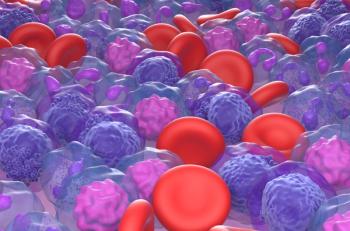
Recently recognized by the World Health Organization, acute myeloid leukemia (AML) with t(7;12)(q36;p13) has previously been associated with MNX1 and ETV6 signaling, although MNX1::ETV6 fusion transcripts have only been confirmed in approximately half of cases.

Across treatments, rozanolixizumab and batoclimab were most effective, though rozanolixizumab carried increased risk of adverse events (AEs) and serious AEs.

The recommendations for surveillance account for newly identified hematopoietic malignancy predispositions (HMP) and HMP genes, as well as a greater understanding of the prevalence of germline variants putting children as an increased risk of MDS and other HMs.

The meta-analysis found indications that autologous stem cell transplantation (ASCT) is associated with higher rates of disease-free survival and relapse-free survival, as well as lower rates of relapse compared with chemotherapy after patients achieved their first complete response (CR).

The findings show that increases in serum glial fibrillary acidic protein throughout B-cell depletion therapy are associated with disability worsening despite not relapsing—known as progression independent of relapse activity.

Despite found associations, due to small sample sizes the researchers suggest readers interpret their findings with caution.

As with other disease states, biomarkers that can provide value across diagnosis, prognosis, and treatment response, have been heavily sought out to help guide optimal treatment decisions throughout the course of disease.