

Strategies that combine ferroptosis inhibition with established antifibrotics could ultimately move treatment from slowing progression to truly reversing fibrosis, new research suggests.
Strategies that combine ferroptosis inhibition with established antifibrotics could ultimately move treatment from slowing progression to truly reversing fibrosis, new research suggests.

Outcomes in accelerated-phase (AP) or blast-phase (BP) myeloproliferative neoplasm (MPN) differ from AML, and AML-based frameworks may not fully capture prognosis in this population.

As the prevalence of chronic kidney disease (CKD) continues to rise, empowering primary care providers (PCPs) with the tools, training, and collaborative frameworks needed for optimal management is a public health priority, emphasize the researchers.

Hair and scalp disorders in patients with skin of color are frequently misdiagnosed, often due to educational gaps and premature diagnosis, with scalp biopsy proving more reliable than trichoscopy for accurate diagnosis.

A cumulative review offers strong evidence that acalabrutinib has a low incidence of cardiac failure in both clinical trial and real-world settings.

A recent study suggests hemorrhagic events following essential thrombocythemia diagnosis are among the most significant predictors of early death.

Real-world data support the effectiveness of combining platinum-based chemotherapy with PD-1 inhibitors for recurrent limited-disease small cell lung cancer (SCLC), enhancing patient outcomes.

With limited treatment options and potential for admission to the intensive care unit, researchers of a new paper highlighted the importance of discussing goals and initiating palliative care early on.
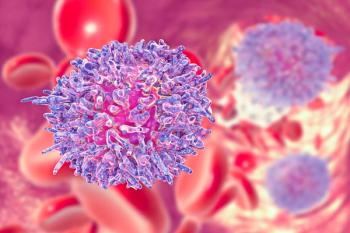
New data showed a survival advantage with newer chronic lymphocytic leukemia (CLL) treatments for older patients who are typically underrepresented in clinical trials.

While physical activity was linked with improved quality of life (QOL), the majority of patients are not given the recommendation from their doctor.

The study found that atrial fibrillation (AF) significantly increases stroke and mortality risk in certain patients with myeloproliferative neoplasms (MPNs).

Vectors, both viral and non-viral, continue to further progress gene therapy for a variety of disease states. With further innovation, the approaches can expand their reach even further.

Emerging therapies, including antibody-drug conjugates and biomarker-driven approaches, have the potential to significantly impact outcomes for patients with traditionally poor prognoses and limited options.

The indirect comparative analysis is the first of its kind to assess the relative efficacy of approved covalent Bruton tyrosine kinase inhibitors (cBTKis) in the absence of head-to-head trials.

While artificial intelligence (AI) holds promise to improve the diagnosis of melanoma, researchers of a new review outlined challenges with these novel approaches.
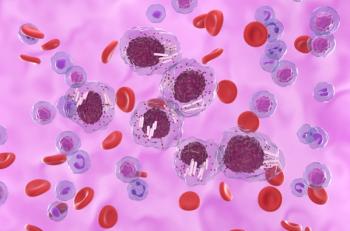
With a 42% reduction seen in the use of hematopoietic stem cell transplantation (HSCT) throughout the decade, researchers suggest that transplantation may be reserved for more fit patients.

While citing overwhelming barriers patients in rural areas face when accessing care, providers noted the potential of telehealth to improve access in a survey.

The findings provide insight into which patients may have favorable or inferior responses to immunotherapy for small cell lung cancer (SCLC).

Researchers found a causal association between insomnia and atopic dermatitis and identified several genetic variations contributing to the association.
Iron deficiency anemia increased the risk of death from any cause, while non-iron deficiency anemia was linked with an increased risk of cardiovascular disease (CVD)-related death in rheumatoid arthritis.

Patients reported that side effects often impacted their quality of life (QOL). However, most patients said their treatment helped slow disease progression and gave them hope.

The rate of rheumatoid arthritis (RA) has increased over the last 32 years, with certain groups of interest facing higher burden, finds a new analysis.

The findings, which add to the limited data on the burden of atopic dermatitis on adolescent and pediatric patients, showed differences in what was most bothersome to the younger group of patients.

Even a 2% decline in lung function predicted poor outcomes for patients with idiopathic pulmonary fibrosis (IPF) in a new study.

The real-world data showed lower rates of atrial fibrillation and hypertension associated with the second-generation Bruton tyrosine kinase inhibitor among patients with chronic lymphocytic leukemia (CLL).

A systematic review and subsequent expert review gave comprehensive insight into prognostic factors for patients receiving treatment for relapsed or refractory diffuse large B-cell lymphoma (DLBCL).

The meta-analysis of 9 studies showed high sensitivity with slightly lower specificity with the less-invasive option for detecting lung complications in patients with the autoimmune disease.

The study, which used flow cytometry rather than molecular biology to identify circulating tumor cells (CTCs), found a significant positive correlation between the number of CTCs and the stage of disease.

Across various classes, the researchers identified a model that, when coupled with appropriate data augmentation and optimization partner, may help aid in the detection of skin cancer.

Researchers hope that identifying the genomic alterations specific to transformed small cell lung cancer (SCLC) can help drive improvements in personalized treatments for these patients.