
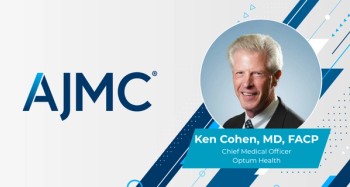
Optum Health's Ken Cohen, MD, FACP, discusses findings from a recent study linking elective PVI to higher limb loss and costs.
Optum Health's Ken Cohen, MD, FACP, discusses findings from a recent study linking elective PVI to higher limb loss and costs.
Full-risk Medicare Advantage models outperform traditional Medicare for socially vulnerable beneficiaries, explains Ken Cohen, MD, of Optum Health.

Panelists discuss how APPs are essential leaders shaping the future of Alzheimer disease care.
Panelists discuss how system-wide APP integration improves coordinated, efficient Alzheimer care.
Panelists discuss how multidisciplinary collaboration optimizes Alzheimer care coordination.
Panelists discuss how APPs enhance Alzheimer care efficiency through value-driven, cost-effective strategies.
Panelists discuss how APPs help overcome social and systemic barriers to Alzheimer care.
Panelists discuss how APPs strengthen shared decision-making through education and compassionate communication.
Panelists discuss how APPs monitor ARIA to uphold safety in Alzheimer anti-amyloid treatment.
Panelists discuss how APPs facilitate efficient Alzheimer treatment timelines through proactive coordination.
Panelists discuss how APPs oversee and streamline the safe delivery of anti-amyloid Alzheimer therapies.
Panelists discuss how APPs help identify and counsel appropriate candidates for Alzheimer anti-amyloid therapy.
Panelists discuss how APPs balance emerging therapies and supportive care to optimize Alzheimer treatment.
Panelists discuss how APPs can lead early Alzheimer care through proactive coordination and patient engagement.
Panelists discuss how APPs mitigate operational barriers that delay Alzheimer detection and diagnosis.
Panelists discuss how earlier Alzheimer diagnosis enhances treatment planning and slows disease progression.
Panelists discuss how proactive screening and education empower APPs to detect Alzheimer disease earlier and initiate timely intervention.
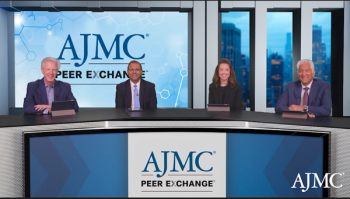
Panelists discuss their excitement about the evolution of heart failure as a distinct specialty with multiple effective therapeutic options, the convergence of previously siloed medical disciplines around shared evidence-based therapies that treat root causes of multiple comorbidities, and emerging technologies like clinical decision support systems and remote patient monitoring to improve population health management and prevent hospitalizations.
Panelists discuss how payers typically require step therapy with SGLT2 inhibitors before approving nonsteroidal MRAs due to cost considerations, while acknowledging the need for head-to-head trials to determine incremental benefits, though early clinical experience suggests good tolerability and the potential for combination therapy initiation rather than sequential treatment approaches.
Panelists discuss how nonsteroidal MRAs like finerenone differ mechanistically from steroidal MRAs by lacking steroid rings (reducing steroid-related adverse effects like gynecomastia), having different mineralocorticoid receptor binding patterns, shorter half-lives, and potentially lower hyperkalemia risk, with strong evidence supporting their use in heart failure with preserved ejection fraction and additive benefits when combined with SGLT2 inhibitors.
Panelists discuss how mineralocorticoid receptor antagonists (MRAs) remain underutilized despite being foundational therapy for heart failure with reduced ejection fraction due to clinician fears of hyperkalemia and renal dysfunction, while new nonsteroidal MRAs like finerenone show promise across the ejection fraction spectrum with potentially improved adverse effect profiles, though questions remain about their incremental benefit over traditional steroidal MRAs given their substantially higher cost.
Panelists discuss how GLP-1 receptor agonists show promising benefits for patients with HFpEF, particularly those with obesity-related disease, through significant weight loss and improved functional capacity, while their role in HFrEF remains more cautious due to concerns about increased heart rate and potential arrhythmic risks, though observational data suggest additive benefits when combined with SGLT2 inhibitors.
Panelists discuss how SGLT2 inhibitors evolved from diabetes medications to become foundational heart failure therapy with class I recommendations across the ejection fraction spectrum, providing cardiovascular and renal benefits through unclear but likely multiple mechanisms, with the elegant advantage of single-dose efficacy regardless of diabetes status or heart failure type.
Panelists discuss how ARNIs like sacubitril-valsartan provide superior outcomes compared with ACE inhibitors in HFrEF (20% reduction in cardiovascular events, 16% mortality reduction), with broad FDA approval across the ejection fraction spectrum and recent generic availability improving cost-effectiveness, though ACE inhibitors and ARBs remain viable second-line options when ARNI is not accessible.

Ken Cohen, MD, FACP, discusses how new cognitive assessment tools are improving Alzheimer disease diagnosis.
Ken Cohen, MD, FACP, discusses how clinicians can support patients after a cognitive screening to identify meaningful next steps.
Panelists discuss how diuretics serve as necessary “bailout therapy” for volume management in heart failure but should not substitute for guideline-directed medical therapy, with emerging evidence supporting more nuanced approaches to diuresis, including urinalysis monitoring and novel formulations like intranasal furosemide, while noting that effective heart failure therapies actually reduce diuretic requirements.
Panelists discuss how β-blockers remain foundational therapy for heart failure with reduced ejection fraction (using evidence-based agents like carvedilol, metoprolol succinate, or bisoprolol) with proven mortality benefits, while their role in heart failure with preserved ejection fraction is more questionable and potentially overused unless atrial fibrillation is present.
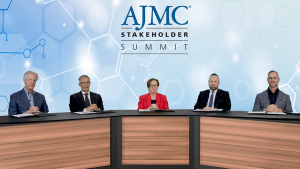
March 28th 2025

October 6th 2025
April 18th 2025
September 29th 2025
April 11th 2025
April 30th 2025