




Mental Health
Latest News
Advertisement
Latest Videos






Advertisement
More News

Discover more about seasonal affective disorder in this interview with Craig Sawchuk, PhD, LP, clinical psychologist at Mayo Clinic.

School reopenings after COVID-19 closures significantly improved children's mental health, reducing diagnoses of depression, anxiety, and ADHD.

A phase 3 trial shows lumateperone added to antidepressant therapy delivers greater symptom improvement and maintains a favorable safety profile in adults with MDD.
Connecting primary care providers and commercially insured adults to outpatient behavioral health services via a digital platform improved health outcomes and reduced medical costs.
Expert insights help define the complexities of seasonal affective disorder, its unique symptoms, and effective treatment strategies.

New research reveals that total social media use does not significantly impact adolescents' body image concerns, challenging previous assumptions.
Medicare Advantage beneficiaries with mental health diagnoses see more nurse practitioners and fewer internal medicine and emergency medicine specialists after switching to traditional Medicare.

Telehealth has quickly become a central part of the mental health system among younger, higher-income, college-educated, and privately insured patients.

Randomized clinical trials increasingly support mental health apps as scalable, cost-efficient tools for managing depression and anxiety.

This study examines the clinical settings of first-time psychotic spectrum disorder diagnoses in an integrated health system.

Foster and kinship care children formed stronger bonds with carers, but relationship quality didn’t predict later emotional outcomes, a study finds.

As generative AI tools like ChatGPT, Gemini, and My AI gain popularity, new research highlights their growing role in youth mental health support.

Clinical trials show significant symptom improvement and potential for remission, with a safety profile similar to placebo.

Ketogenic diets were linked to modest reductions in depressive symptoms, especially with ketone monitoring, while anxiety results remain unclear.

New research highlights rising opioid use disorder (OUD) diagnoses among youth, emphasizing the need for improved screenings and mental health support.

National data show adults struggling to afford energy bills face over twice the odds of depression and anxiety.

Ken Cohen, MD, FACP, discusses how new cognitive assessment tools are improving Alzheimer disease diagnosis.

The Hearing Loss Association of America advocates for early hearing loss detection, addressing mental health, and improving accessibility to enhance quality of life.

Digital tools help prevent burnout, anxiety, and exhaustion among health care workers.

Online racial discrimination, bias, and trauma are linked to anxiety and depression in Black adolescents.

A self-help app based on cognitive behavioral therapy improved depression, self-esteem, and quality of life in adults with intellectual disabilities.

Study finds slight temperature shifts are linked to changes in physiological stress responses.

Altering gut motility, fueling inflammation, and disturbing microbes are some of the ways stress and anxiety can disrupt gut health.

On this episode of Managed Care Cast, experts discuss behavioral health services, stigma reduction, and the 4 dimensions of recovery.
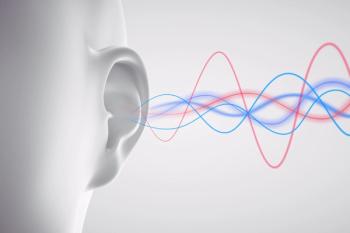
Hearing loss affects mental health, cognition, relationships, and care access, but early intervention and holistic support can improve quality of life.
Advertisement
Advertisement