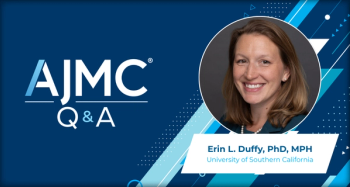
June author Erin L. Duffy, PhD, MPH, discusses her study showing nonprofit and system-affiliated hospitals provide greater access to translated financial assistance documents.
June author Erin L. Duffy, PhD, MPH, discusses her study showing nonprofit and system-affiliated hospitals provide greater access to translated financial assistance documents.
Erin L. Duffy, PhD, MPH, discusses her findings that nonprofit and system-affiliated hospitals have better multilingual access to financial aid documents.
In a cross-sectional study of US hospitals, patient financial assistance and billing policy documents averaged 10th-grade readability scores, with variation significantly associated with several attributes.
A cross-sectional study of online financial documents among hospitals in linguistically diverse core-based statistical areas found that nonprofit and system-affiliated hospitals have superior language access.

Adults currently aging into Medicare utilized counseling and psychotherapy services at higher rates than those in prior cohorts at the same age.
Analysis of 2012-2021 commercial claims demonstrates that spending growth was concentrated among the highest spenders and there was increasing subsidy across enrollees through cost-sharing design.
This cross-sectional analysis of commercially insured delivering mothers suggests that greater out-of-pocket spending is incurred when pregnancy spans 2 years, causing them to face out-of-pocket limits twice.

Hospital price transparency data suggest that health insurance exchange (HIX) plans get lower negotiated rates than commercial group plans and higher negotiated rates than Medicare Advantage plans.
Mean in-network commercial allowed amounts and charges per anesthesia conversion factor are 314% and 659% of traditional Medicare rates, respectively. Medicare Advantage payments align with traditional Medicare prices.
The No Surprises Act represents a rare bipartisan moment for Congress and a long-needed safeguard for patients that will reorient relationships among payers and providers.
In addition to protecting patients from receiving unexpected bills, policies to address surprise billing could reduce health insurance premiums by 1% to 5%.
California’s experience implementing a policy to address surprise medical billing demonstrates that out-of-network payment standards can influence payer–provider bargaining leverage, affecting prices and network breadth.
September 11th 2020
September 15th 2022