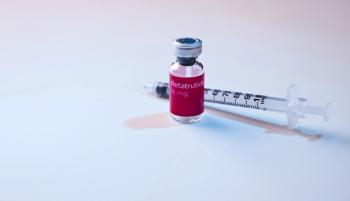
A legal fight over a single amino acid could set retatrutide's exclusivity window, its Medicare negotiation clock, and its competitive future.
FDA approved Rextovy, a 4-mg OTC naloxone nasal spray, expanding access to opioid overdose reversal medications nationwide.
The third over-the-counter (OTC) intranasal naloxone product was FDA approved today, adding another potentially life-saving treatment aimed at reducing opioid overdose deaths in the US.1
Rextovy, manufactured by Amphastar Pharmaceuticals, Inc, is a 4-milligram naloxone hydrochloride nasal spray approved for the emergency treatment of opioid overdose. Opioid abuse is an ongoing epidemic in the US and public health worldwide, primarily affecting young and middle-aged adults in the US and Canada.2 In 2023, approximately 105,000 people died from drug overdose, and 80,000 of those deaths involved opioids—nearly 10 times more opioid-related deaths than in 1999.3 Opioid overdose remains an ongoing epidemic in the US, but another OTC treatment further broadens options and access and may reduce costs for consumers.1
“Reducing opioid overdose deaths is a top priority for the FDA,” Mike Davis, MD, PhD, acting director of the Center for Drug Evaluation and Research (CDER), said in a
The opioid epidemic is not new and predates the 21st century. Between 1999 and 2023, there have been almost 1 million opioid overdose-related deaths in the US from prescription and illegal opioids combined.3 It began in the 1990s when the majority of opioid overdose deaths involved prescription opioids, which have declined in recent years. Then in 2013, there was a rapid increase in opioid-overdose deaths involving synthetic opioids, specifically those involving illegally made fentanyl and fentanyl analogs.3
The percentage of opioid overdose deaths has declined since the approval of OTC naloxone in 2023. But the current epidemic isn’t driven by opioids alone; nearly 47% of drug overdose deaths, as of 2023, involved both opioids and stimulants. The rate of overdose deaths involving synthetic opioids, aside from methadone, decreased by 2% from 2022 to 2023. The rate of opioid deaths involving heroin decreased by 33%, and those involving prescription opioids decreased by approximately 12% during the same time span.3
Experts attribute the trend to multiple factors, including broader naloxone availability; expanded treatment access, like current nasal naloxone treatments Narcan (Emergent BioSolutions) and RiVive (Harm Reduction Therapeutics)—approved in March and July 2023, respectively; and harm reduction efforts. Yet, this epidemic is still a major public health concern.
As a medication that rapidly reverses the effects of an opioid overdose, this new approval encourages competition among pre-existing treatments with the potential to drive down costs. Public health experts have suggested that OTC availability may help reduce barriers and stigma associated with obtaining naloxone, although limited US data have evaluated the impact of the policy change.
“Immediate access to naloxone nasal sprays is essential when a person is experiencing an overdose, and FDA remains committed to ensuring nonprescription options are widely available,” Karen Murry, MD, director of the Office of Nonprescription Drug Products in CDER, said in a press release.1
Individuals may experience symptoms upon regaining consciousness after using Rextovy following an overdose reversal. These include shaking, nausea, or feeling angry. Rextovy is still considered safe to use even if the presence of opioids is unknown in a person’s system.
The CDC and the FDA have both released statements regarding their commitment to addressing and reducing the number of opioid deaths across the US. 1,3
References
1. FDA broadens access to over-the-counter naloxone nasal spray for opioid overdose. News release. U.S. Food and Drug Administration. June 16, 2026. Accessed June 16, 2026.
2. The Lancet Regional Health – Americas. Opioid crisis: addiction, overprescription, and insufficient primary prevention. Lancet. 2023;23. doi:10.1016/j.lana.2023.100557
3. Understanding the opioid overdose epidemic. Centers for Disease Control and Prevention. June 9, 2026. Accessed June 16, 2026.