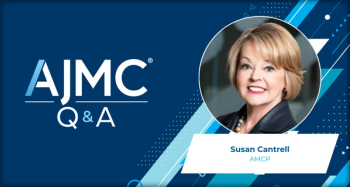
CEO Susan Cantrell previews AMCP Nexus 2026, discussing AI, drug pricing, emerging therapies, and a decade of change in managed care pharmacy.
Swarup Kumar, MD, of UConn Health, says iberdomide plus dara-dex fills a niche for relapsed disease in patients who lack access to CAR T or bispecifics.
The FDA’s August 13
Kumar said he would still favor CAR T-cell therapy or bispecific therapy for fit, high-risk patients in the second-line setting, given the maturity of data on depth and durability of response with those
That activity was reflected in the phase 3 EXCALIBER-RRMM trial (
Because iberdomide carries risks of cytopenias, infections, and thromboembolic events, Kumar emphasized that patients need a structured pretreatment plan under the drug’s REMS program, including early granulocyte colony-stimulating factor support for neutropenia, infection prophylaxis, and thromboprophylaxis. He said iberdomide’s future may extend beyond its daratumumab pairing, pointing to ongoing studies combining it with T-cell-engager therapies to improve depth of response, including in the post–CAR T-cell therapy setting.
“I think that there is always going to be a population that’s going to derive benefit from this,” he emphasized, “and I think it’s important to be prepared.”