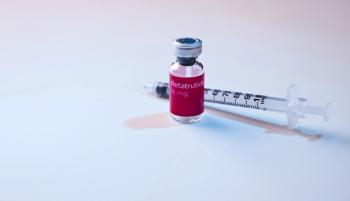
A legal fight over a single amino acid could set retatrutide's exclusivity window, its Medicare negotiation clock, and its competitive future.
New reports spotlight inequities—from Black maternal mortality to 988’s youth impact—as well as rising cancer risk and gaps in food aid.
During Black Maternal Health Week—an initiative founded by the Black Mamas Matter Alliance and officially recognized by Congress—states, lawmakers, and health organizations highlighted persistent racial
In an interview with The American Journal of Managed Care® (AJMC®), Rani Bansal, MD, medical oncologist at Duke Cancer Center Breast Clinic, discusses the concerning rise in
A research letter published in JAMA reports that the nationwide rollout of the 988 Suicide and Crisis Lifeline in July 2022 is associated with a significant reduction in suicide deaths among individuals aged 15 to 34, with an estimated 11% decline—equating to more than 4300 fewer deaths than expected between mid-2022 and the end of 2024. The analysis, based on national mortality data, found even greater reductions in states with higher engagement with the Lifeline, suggesting a dose-response relationship between service use and improved outcomes. Smaller declines among older adults and the absence of similar trends in England further support a potential link between 988 and reduced suicide mortality, though researchers caution that causality cannot be definitively established due to the study’s observational design. While the findings highlight the promise of expanded infrastructure due to the
At an Institute for Value-Based Medicine® event hosted by AJMC, oncology leaders from major Chicago health systems highlighted how rapid advances in precision medicine—such as biomarker-driven therapies, liquid biopsies, and cellular treatments—are reshaping cancer care while exposing critical operational, financial, and equity challenges. Panelists emphasized the need for universal and timely biomarker testing in lung cancer, improved integration of diagnostic workflows, and expanded use of tools like minimal residual disease testing, while also noting persistent gaps in reimbursement, access to advanced therapies like chimeric antigen receptor T cell treatment, and logistical barriers tied to social determinants of health. Broader discussions underscored disparities in cancer screening, clinical trial participation, and care continuity, particularly among underserved populations, alongside the importance of patient navigation and community partnerships. The event also highlighted the growing role of medically integrated dispensing models, which embed pharmacy services within health systems to streamline prior authorizations, reduce costs, and improve adherence. Overall, speakers stressed that achieving equitable, high-quality oncology care will require aligning cutting-edge clinical innovation with coordinated infrastructure, policy support, and sustained cross-sector collaboration.
A research letter published in JAMA Pediatrics finds that food insecurity persists among children living above current Supplemental Nutrition Assistance Program (SNAP) eligibility thresholds, suggesting that existing broad-based categorical eligibility (BBCE) limits may not reflect modern economic realities. Using national survey data, researchers estimated that about 2% of children above 200% of the federal poverty level (FPL)—roughly 659,000 children—experience food insecurity, with nearly half clustered just above the cutoff (201%-250% FPL). Disparities were pronounced, with higher risk among Black and Hispanic children, those in Spanish-speaking households, children with public insurance, and those with lower caregiver education, while income just above the eligibility threshold was the strongest predictor. The findings highlight how rising living costs may leave many families ineligible for assistance despite ongoing need and warn that potential policy changes tightening SNAP eligibility could worsen inequities, underscoring calls to expand, not restrict, BBCE to better address child food insecurity and its long-term health impacts.