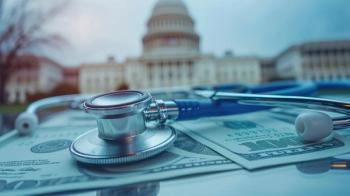
HR 1 brings Medicaid work requirements and narrower immigrant eligibility by January 2027, and CBO projects 10 million more uninsured by 2034.
NAMI's National Director of Government Relations and Policy, Jennifer Snow, MPA, explains how advocates rallied in support of mental health care.
After the Trump administration abruptly
In this interview, she explains what happened in those 24 hours and how
This transcript has been lightly edited; captions were auto-generated.
Transcript
What was NAMI’s reaction to the abrupt termination of many SAMHSA grants, and what types of services would be affected if the Trump administration didn't reverse the cuts?
Because this has been such a fast-moving situation, it might be helpful to just describe my morning yesterday [January 14]. You know, we woke up to frantic emails from some of our NAMI state organizations and NAMI affiliates who, overnight on Tuesday night, had received notices telling them that grants that were congressionally appropriated grants would be terminated immediately. As you can imagine, this sent shockwaves through the mental health system. You know, programs to fund substance abuse, addiction service, crisis response, mental health, all the programs and initiatives that we know help people live healthy and fulfilling lives and live successfully in their community, all had the potential to be cut immediately, without any warning, and the letters themselves were specific that there basically was no avenue for recourse.
So, we went into the mode of trying to understand how broad this impact was, and we learned that it was really quite significant, with early estimates saying that about $2 billion in grants were terminated overnight. And you can imagine, just if overnight $2 billion is taken out of the system, you have people on the ground who would not be able to provide those life-saving services to people with mental health and substance use disorders, and the ramifications for that we knew were going to be disastrous.
Do you believe the immediate response from mental health advocates and organizations like NAMI had any impact on the administration's decision to reverse the SAMHSA cuts?
I think it's undeniable when you have thousands of people contacting members of Congress in a very short period of time yesterday afternoon, that that had an impact. Mental health is a bipartisan issue because mental health has no care; it impacts people on all sides of the aisle, on all political spectrums, and in these trying times when it seems like there are very few bipartisan issues, we are very grateful that mental health remains to be a priority for people on both sides of the aisle, and so the fact that members of Congress, all different types of members of Congress, were hearing from people in their communities, telling them how these decisions would have a real and harmful consequence on people in their communities, I have to think that that had a huge part of the reason why we at least understand that the changes are being rescinded.