






Center on Health Equity & Access
Latest News
Advertisement
Expert Insights
Hear what thought leaders have to share about the Center on Health Equity & Access.
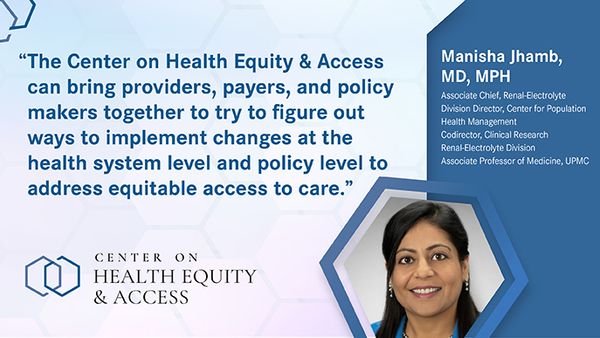
Expert Insights
Hear what thought leaders have to share about the Center on Health Equity & Access.
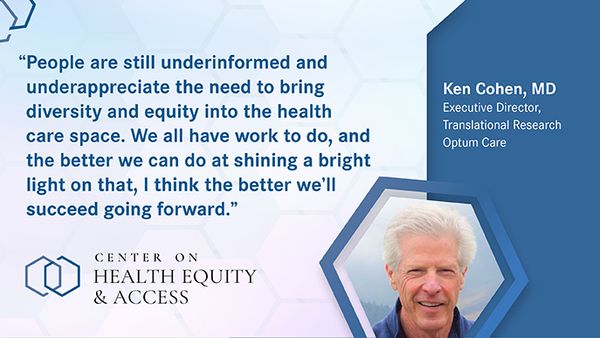
FDA Denies MDMA-Assisted Therapy Despite Promising Trial Results
Leaders respond to the complete response letter issued by the FDA, seeking answers and calling for more progress to aid the veteran community and others experiencing PTSD. Learn more with the full article from AJMC®!
Latest Videos








Podcasts



Advertisement
More News
Reports highlight gaps in private equity oversight, MA vs FFS outcomes, cancer care access advances, climate health disparities, and uneven genomic testing.

Health plan infrastructure and patient reporting are underutilized, powerful tools for identifying food insecurity, Jonathan Wrathall, PhD, argues.

Elliot Tapper, MD, explains how digital health, precise screening, and direct hepatology care can treat alcohol-associated liver disease and mental health.

Re-engagement rates for patients with hepatitis B lost to follow-up range from 2% to 100% globally, with proximity to patients driving the best outcomes.

Study finds endometriosis severity plateaus after 30, but surgery risk and complexity climb in older women as fibrosis and adhesions build.

Phenotype-based care improves childhood obesity diagnosis and treatment, including obesity types, hypothalamic obesity, drugs, and surgery.

The scoping review shows menopause and multiple sclerosis (MS) shift from fewer relapses to higher symptom burden, highlighting care gaps for older women with MS.

Medicare FFS beneficiaries with metastatic cancer received broad genomic profiling more often than MA patients.

The American Thoracic Society 2026 International Conference included sessions that focused on topics such as pulmonary rehabilitation and global disparities in thoracic care.

New Jersey, Where Cancer Care Choice Abounds, Puts Patients at the Center
Published: | Updated:
An Institute for Value-Based Medicine® event in Princeton highlights how the state's leading cancer care providers meet the needs of a diverse population.

Beneficiaries in socially vulnerable communities received higher-quality, more-efficient care under value-based care (at-risk Medicare Advantage) compared with those in fee-for-service Medicare payment arrangements.

Claims data linked eviction protection rollbacks to higher psychotropic prescription and SMI visits, revealing housing security’s mental health toll.

Jonathan Wrathall, PhD, explains that his 2 studies found social needs and insurance type strongly predicted food insecurity.

Rising ER-positive breast cancer in young women: risk factors, subtype differences, and when to push for screening and imaging.

Discussions highlighted implementing innovative treatments and ensuring patients treated in the community setting have equitable access to advanced therapeutics.

Private equity reshapes care—new evidence links staffing cuts to patient safety risks; ACP urges regulatory oversight to defend clinical autonomy.

A study led by Meng-Han Tsai, PhD, found that men and racial and ethnic minority patients with early-onset CRC in urban areas face a higher CVD death risk.

Edgar Chou, MD, explains how oncology teams, primary care, and patients use interoperability to share patient data, improve transitions, and close care gaps.

Pharmacists need better support to manage emotional strain tied to patient suffering, treatment costs, and care decisions, says Karen Fancher, PharmD, BCOP.

Ontada Research Shows Relationship Between NCCN Distress Thermometer Scores and OS in Common Cancers
Ontada research presented at ISPOR 2026 shows the NCCN Distress Thermometer can predict overall survival in metastatic cancers, but the relationship varies by cancer type.

Young men and minority patients with early-onset CRC in urban areas face higher CVD death risk, challenging assumptions about rural disparities.
US health care faces massive shifts: rising ACA deductibles, federal health leadership shakeups, and major care gaps in women's health and dermatology.

New review details biologic, psychosocial, and treatment barriers shaping outcomes in AYA acute lymphoblastic leukemia (ALL).

Yet Khor, MD, PhD, discusses ILD care disparities, telehealth, trial awareness, and shared care strategies.

Yet Khor, MD, PhD, highlights diagnostic delays, language barriers, and inequities impacting ILD and PF care access.
Advertisement
Advertisement
Trending on AJMC
1
Delayed Dupilumab Raises Asthma Costs 32%: Nicola Hanania, MD
2
FDA Expands Finerenone Approval to CKD Associated With Type 1 Diabetes
3
Regorafenib Prescribing in Advanced GIST Deviates From Guidelines
4
A Patient-Centered Reconstruction of 340B in Oncology: Transparency, Equity, and Site-of-Care Accountability
5