




Center on Health Equity & Access
Latest News

Advertisement
Expert Insights
Hear what thought leaders have to share about the Center on Health Equity & Access.
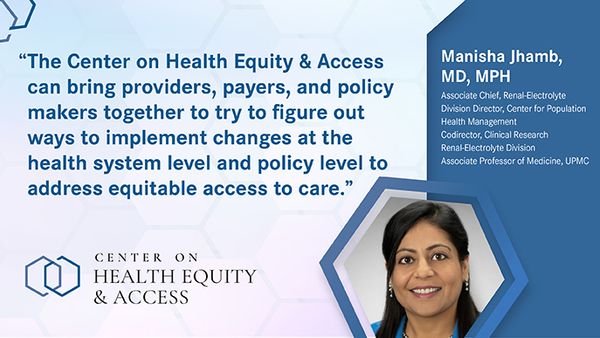
Expert Insights
Hear what thought leaders have to share about the Center on Health Equity & Access.
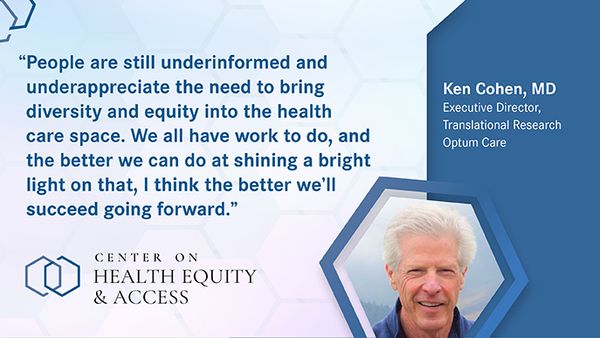
FDA Denies MDMA-Assisted Therapy Despite Promising Trial Results
Leaders respond to the complete response letter issued by the FDA, seeking answers and calling for more progress to aid the veteran community and others experiencing PTSD. Learn more with the full article from AJMC®!
Latest Videos







Podcasts






Advertisement
More News

Financial toxicity independently predicts a lower quality of life for patients with HS, with greater disease severity and biologic use driving the strain.

Kirk Campbell, MD, sees sparsentan as the beginning of a new treatment era for FSGS, a condition that has lacked approved therapies until now.

After vitiligo diagnosis, many patients remain untreated and switch quickly between therapies, according to new data on treatment patterns.

PASSAGE trial data showed tezepelumab reduced asthma exacerbations in diverse and underrepresented patient populations, noted Njira L. Lugogo, MD.

PASSAGE study data showed tezepelumab improved asthma outcomes across diverse, underrepresented patient populations.

Differences between sexes in cardiovascular health can appear as early as the neonatal stage in preterm infants.

Text message reminders increased CRC screening completion at 2 FQHCs, with the strongest impact seen for Cologuard use.

Black patients with breast cancer face cost, limited representation, and textured-hair concerns that reduce scalp-cooling use to prevent hair loss.

Women’s Health Month highlights major 2026 shifts in menopause care, brain health, abortion access, doula coverage, and wearable tech.

Health updates cover abortion pill access, lung care research, pregnancy-linked heart risks, US longevity gaps, and flawed drug adherence metrics.

The Supreme Court’s temporary action on mifepristone telehealth access raises new questions about reproductive health policy, autonomy, and care access in the US.

The conference, set to take place in Orlando, Florida, features sessions focusing on new research and environmental impacts in the thoracic space.

Exposure to adverse pregnancy outcomes may be associated with worse cardiovascular health and early arterial injury in young adulthood.

A cohort-based mortality study found major state-by-state life expectancy gaps, with Southern states lagging in longevity gains.

New real-world evidence presented at PQA 2026 exposes the blind spots in how medication adherence is measured, monitored, and misunderstood.

Deborah Doroshow, MD, PhD, discusses lung cancer trial access, targeted therapy advances, and treatment gaps in part 2 of her interview.

Food insecurity identification modeling for Medicare can establish a reliable method of prioritizing members at risk of food insecurity for identification and program enrollment.
Scott Shannon, MD, discusses psychedelic therapies, federal policy shifts, and the barriers slowing mental health innovation.

Younger patients with early-onset CRC, especially men and racial and ethnic minority groups in urban areas, face a higher risk of cardiovascular death.

In part 2, Deborah Doroshow, MD, PhD, discusses early clinical trial access, emerging lung cancer therapies, and barriers to equitable access.
Deborah Doroshow, MD, PhD, blends oncology and history of medicine to guide cancer care, emphasizing communication, trust, and health equity.
From psychedelics to abortion pills, drug pricing, crisis lines, and cancer care, new policies reshape access—and expose gaps patients still face.

Nirmatrelvir-ritonavir was most likely to be cost-effective among adults aged 18 to 64 years with comorbidities, particularly those with lung disease or immune disorders.

An NCCN Policy Summit webinar on May 7 warned that cancer care is failing patients, as poor health literacy, misinformation, and digital overload widen gaps in understanding.
Deborah Doroshow, MD, PhD, an oncologist and historian, reflects on guiding patients through cancer care and how lessons from the past shape treatment today.
Advertisement
Advertisement
Trending on AJMC
1
Delayed Dupilumab Raises Asthma Costs 32%: Nicola Hanania, MD
2
FDA Expands Finerenone Approval to CKD Associated With Type 1 Diabetes
3
Regorafenib Prescribing in Advanced GIST Deviates From Guidelines
4
A Patient-Centered Reconstruction of 340B in Oncology: Transparency, Equity, and Site-of-Care Accountability
5