

Hospital at home is linked to lower mortality and ED use vs inpatient care in Medicare patients.
Hospital at home is linked to lower mortality and ED use vs inpatient care in Medicare patients.

Bepirovirsen data show the potential for a functional cure for chronic hepatitis B by lowering HBsAg and boosting immune control.

988 crisis centers face staffing and funding challenges despite rising demand, raising concerns about long-term sustainability.
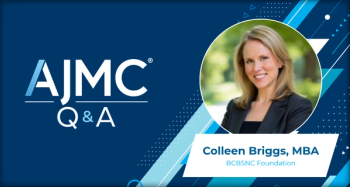
As president of the BCBSNC Foundation, Colleen Briggs, MBA, reflects on 25 years of progress and outlines where the organization is headed next.

Carolina Barnett-Tapia, MD, PhD, discusses the results of the ADAPT OCULUS trial, which found promising results for treating patients with ocular myasthenia gravis.

New executive order fast-tracks psychedelic therapy research for veterans, but VA rollout, DEA rescheduling, and insurance hurdles still loom.

These indications cover HIV, type 1 diabetes, chronic hives, genetic-related hearing loss, and lupus.

Data stored in hospitals, clinics, and medical practices make it a prime target for cyberattacks, making security important for continuity of care.

The Supreme Court temporarily restores mifepristone mail access, pausing a Fifth Circuit ruling that had blocked telehealth abortion pill prescriptions.

Poor housing affordability and quality raised risks of frailty, disability, and death in older adults, yet neighborhood quality showed no independent association.

This FDA approval brings the first heterobifunctional protein degrader for HER2-negative, ESR1-mutant breast cancer, improving PFS after endocrine therapy.

Experts dismantled the assumption that direct-to-patient is a universal affordability solution, offering manufacturers a practical framework for deciding which model is actually right.

Philadelphia oncology leaders tackle gaps in biomarker testing, breast cancer advances, myeloma innovation, and clinical trial equity.

New data show how systemic inflammation independently raises the risk of CKD progression and cardiovascular events after acute myocardial infarction.
This week, a Capitol hearing spotlights Medicare fraud gaps, reports warn of equity setbacks, community oncology boosts survival, and Medicaid work rules loom.

AI drives community oncology transformation as practice leaders offer examples of what is working in community oncology to streamline calls, triage, and documentation.

Rani Bansal, MD, discusses breast cancer subtypes, racial disparities in triple-negative disease, self-advocacy for young patients, and diversity in clinical trials.

The therapy receives FDA approval for Alzheimer disease agitation, backed by phase 3 data showing significant symptom reduction and delayed relapse vs placebo.

Experts at AXS26 laid out why advanced therapies are underutilized and what payers, providers, and manufacturers must do together to change that.

At NAACOS 2026, experts highlighted how real-world AI tools are improving care delivery, outcomes, and efficiency across the health care landscape.
Adopting more automated services could potentially reduce costs across the country as adoption remains stable nationwide.

Coverage of our peer-reviewed research and news reporting in the health care and mainstream press.

The results show that semaglutide could be a novel treatment for patients with alcohol use disorder moving forward.

The new work requirements for Medicaid eligibility, included in the One Big Beautiful Bill Act, will officially be required in January 2027.

Education on colorectal cancer symptoms and screening can help to prevent advancing disease in a cancer that is seeing increased incidence in younger adults.

A new Commonwealth Fund report finds persistent racial health disparities nationwide despite coverage gains, with major gaps in care, access, and outcomes.

Experts discussed value-based oncology care, CAR T-cell therapy access gaps, myeloma advances, and bispecific therapy challenges.

Experts examined oncology care innovation, access gaps to CAR T-cell therapy, advances in myeloma care, and partnerships in value-based care.

FIT-DNA modestly improved CRC screening in CHCs, but uptake and follow-up colonoscopy rates remained low.

Specialty pharmacies play a critical role in connecting patients with assistance programs to combat growing financial complexities.