


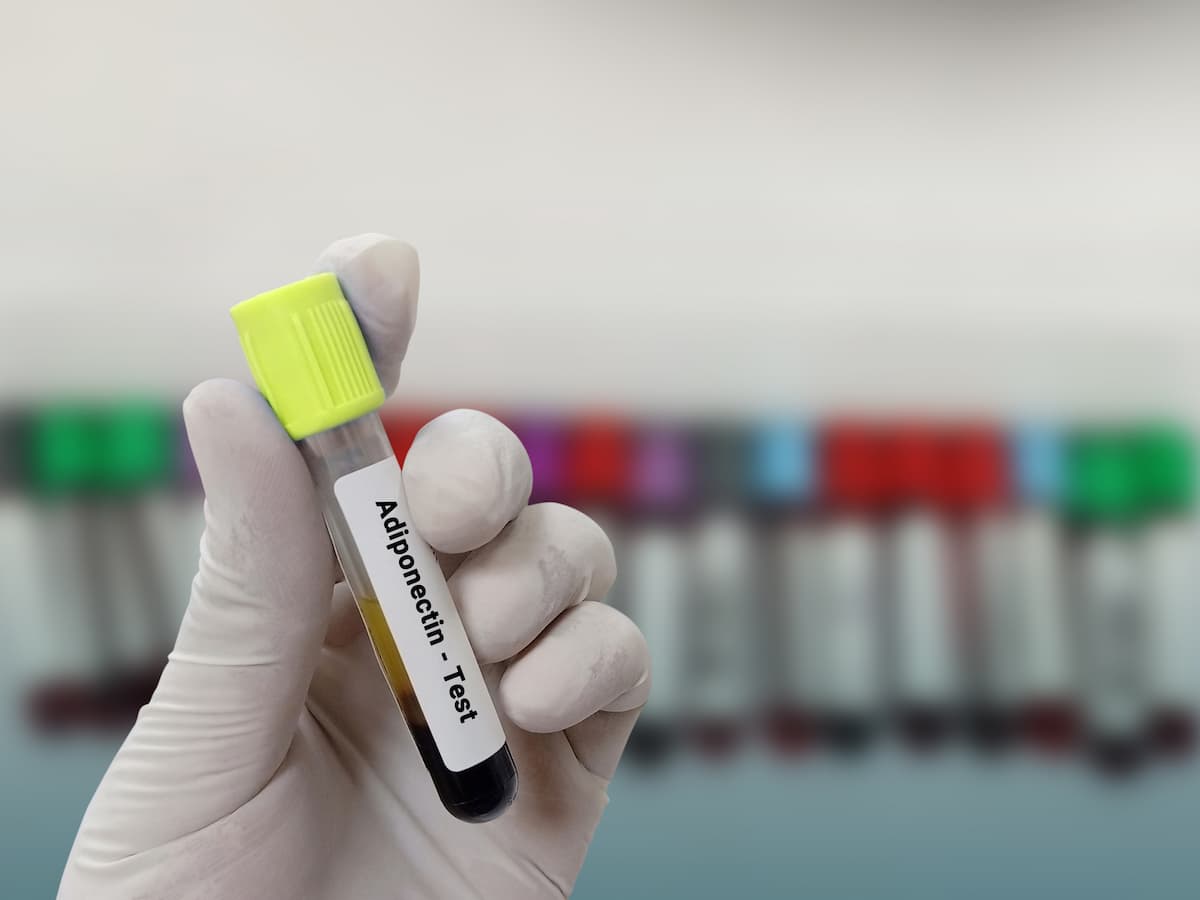



An IPF-derived biomarker profile shows a reproducible association with ILD risk across three RA cohorts.
An IPF-derived biomarker profile shows a reproducible association with ILD risk across three RA cohorts.

A multidisciplinary approach that includes addressing social determinants of health reduces time to remission despite higher initial costs.
Glucagon-like peptide 1 receptor agonists improved disease activity, body weight, and cholesterol in patients with rheumatoid arthritis.

Integrated data suggest higher tryptophan activity is associated with reduced inflammation and improved outcomes in RA.

DMARD nonadherence rates in patients with RA range from 0% to 100%, with inconsistent measurement tools and few validated interventions.

The study highlighted pain, fatigue, and functional status as key early warning signs.

The risk of pneumonia-related hospitalization increased the most for patients using non-TNFi biologics, climbing by 257% compared with controls.

The relationship between caffeine and rheumatoid arthritis has been inconsistent across prior studies.

Research shows more than a third of patients with rheumatoid arthritis met criteria for frailty, with prefrailty and robust groups closely following.
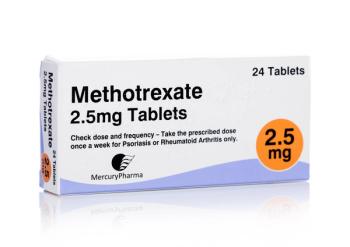
Methotrexate significantly lowered systolic blood pressure compared with sulfasalazine in adults with newly diagnosed rheumatoid arthritis, suggesting potential cardiovascular benefits beyond its anti-inflammatory effects.

A global analysis showed that absolute deaths and disability-adjusted life-years related to smoking-attributable rheumatoid arthritis have continued to rise since 1990.

Women and adults younger than 65 years face higher risks of certain degenerative valvular heart disease subtypes than men and older adults, according to a study.

By week 16, researchers found 87.8% of patients achieved a satisfactory humoral response.

More than 8 in 10 patients with rheumatoid arthritis were taking 5 or more medications at once, a practice linked to older age, multiple comorbidities, and more than 2000 potential drug-to-drug interactions.

Janet Pope, MD, MPH, discusses screening and diagnostic approaches for interstitial lung disease in patients with systemic sclerosis, rheumatoid arthritis, and other connective tissue diseases.

Real-world data suggest anti-TNF biosimilars for juvenile idiopathic arthritis offer comparable efficacy and safety to their brand name counterparts.

Many patients value conversations with their rheumatologists and oncologists more than just reading information from a website.

The lifestyle intervention included a whole-food plant-based diet, exercise, sleep, and stress management components.

High infection rates among younger adults suggest they either delay routine dental care and only seek treatment when conditions become severe, or face more barriers.

A new economic evaluation supports updating rheumatoid arthritis guidelines to favor biosimilar disease-modifying antirheumatic drugs over leflunomide after methotrexate failure.

Researchers called for standardized health outcome descriptors to help bridge communication gaps in rheumatology care and improve shared decision-making.

Osteoarthritis leads the burden, projected to affect 50% of postmenopausal women by 2045.

A global surge in rheumatoid arthritis with local hotspots highlights the need for targeted public health interventions.

Tocilizumab alone and in combination with methotrexate outperformed the latter drug in patients who did not adequately respond to conventional synthetic disease-modifying antirheumatic drugs.

Iron deficiency anemia increased the risk of death from any cause, while non-iron deficiency anemia was linked with an increased risk of cardiovascular disease (CVD)-related death in rheumatoid arthritis.