
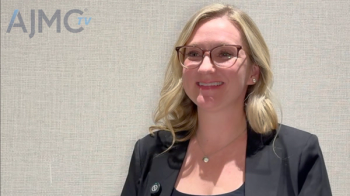
Medically integrated dispensing (MID) improves monitoring and supports value-based care, but startup costs and payer barriers remain, notes Katherine Tobon, PharmD, BCOP.
Medically integrated dispensing (MID) improves monitoring and supports value-based care, but startup costs and payer barriers remain, notes Katherine Tobon, PharmD, BCOP.
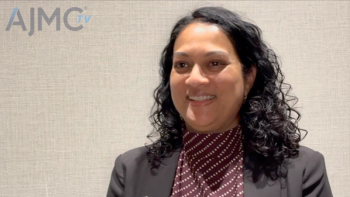
Susan Vadaparampil, PhD, MPH, highlights disparities in cancer outcomes and trial enrollment but underscores that linking community screening programs with cancer centers may help.

Stroke patients face unequal access to clot-removal care; race and insurance shape transfers, even with Medicare—here’s what must change, according to Luke Messac, MD, PhD.

ED dizziness visits see rising MRI use at discharge; exam-guided imaging helps detect missed strokes and informs secondary prevention.

Stroke recovery improves when care addresses social needs like reducing loneliness and depression and strengthening support.

Targeted therapies, bispecifics, and CAR T-cell therapies are giving patients with multiple myeloma hope for long-term remission or a potential cure.

Linda Stein Gold, MD, shares insights on new therapeutic options for patients with various psoriasis subtypes and psoriatic arthritis.

City St. George’s researchers identified 9 genetic signatures and epigenetic changes driving lapatinib resistance in HER2-positive breast cancer.

Shervin Badihian, MD, explains how digital health tools can help boost poststroke activity via reminders, goals, feedback, and gamification.

Rising stroke rates in young adults highlight the need to manage blood pressure and cholesterol early and improve outcomes through better ICU care.

Deaf patients face major gaps in stroke care, from poor ASL health literacy to interpreter barriers, undermining discharge understanding and emergency response.

Ateequllah Hayat, PhD, discusses epigenetic rewiring, biomarkers, and emerging strategies to overcome lapatinib resistance in HER2+ breast cancer.

Margaret Krackeler, MD, of Kaiser Permanente Northern California, discusses the growing role of real-world treatment data in CLL and other cancers.

Experts at Maui Derm 2026 discuss the meeting’s focus on in-depth clinical education, practical patient care pearls, and interdisciplinary networking.

Policy strategist Kristi Martin discusses how the Orphan Drug Act reshapes rare disease treatment and drug-pricing challenges.

Obesity market overview for employers: data on GLP-1s for obesity, digital solutions, and benefit strategies to control costs and outcomes.

A European Respiratory Journal study shows pulmonary fibrosis affects sexual function and quality of life, calling for open clinician-patient conversations.
Margaret Krackeler, MD, discusses real-world data supporting the switch from ibrutinib to zanubrutinib for chronic lymphocytic leukemia.

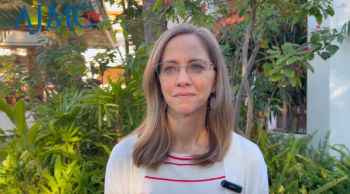
Donna Culton, MD, University of North Carolina at Chapel Hill, outlines diagnosing autoimmune blistering diseases.
Adopting zanubrutinib for the treatment of chronic lymphocytic leukemia showed improved tolerability and persistence, enhancing patient safety and outcomes.

Philip Mease, MD, discusses the different treatment options now available for patients with psoriasis and psoriatic arthritis.

Jerry Shapiro, MD, discusses strategies for treating patients with scarring and nonscarring alopecia.

Nate C. Apathy, PhD, guest editor of AJMC's 15th Health IT special issue, calls for tools to be closely aligned with user needs.

Paul Nghiem, MD, PhD, discusses individualized therapies and the evolving role of AI in improving outcomes for actinic keratosis and related skin conditions.

Lawrence Eichenfield, MD, outlines a patient-centered approach to atopic dermatitis, assessing disease history, life impact, and prior therapy use.

Daniel Siegel, MD, discusses a loophole he looks out for in ICD-10 coding and billing.

James Song, MD, discusses best practices and strategies for managing patients with psoriasis in 2026.

The results of the phase 3 MajesTEC-9 trial showcase teclistamab's efficacy for patients with relapsed/refractory multiple myeloma, explained Roberto Mina, MD.

A multistakeholder study explores how law enforcement presence in EDs affects survivors of violence and outlines trauma-informed, patient-centered policy solutions.

259 Prospect Plains Rd, Bldg H
Cranbury, NJ 08512
© 2025 MJH Life Sciences®
All rights reserved.