
Ophthalmology
Latest News


Advertisement
Latest Videos



CME Content


Advertisement
More News

The cause of age-related macular degeneration can be varied and symptoms are often not recognized immediately, according to Hasenin Al-khersan, MD.

Reducing the number of intravitreal injections to treat age-related macular degeneration (AMD) is a top priority in current treatment research, says Paul Hahn, MD, PhD.

Perfluorohexyloctane ophthalmic solution had high treatment satisfaction in those who took it for dry eye.
Knowing the risk factors of age-related macular degeneration (AMD) and consulting an ophthalmologist or optometrist can help to maintain vision, says Hasenin Al-khersan, MD.
Paul Hahn, MD, PhD, discussed signs and symptoms of age-related macular degeneration (AMD) during AMD Awareness Month.
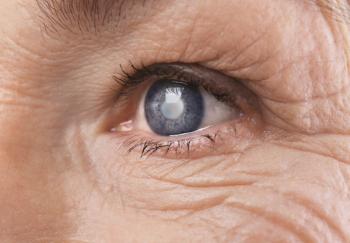
Patients with varying stages of glaucoma saw no significant difference in outcomes between standard and enhanced monofocal intraocular lenses.

Signs and symptoms of age-related macular degeneration (AMD) are important to spot to prevent further deterioration of sight.

Wet age-related macular degeneration (AMD) can be managed using brolucizumab due to its efficacy.

The ranibizumab injection delivered through an implant device could be administered in a convenient schedule twice per year for the treatment of diabetic macular edema (DME).

The asymptomatic nature of glaucoma makes it imperative to get consistent screening to catch the condition early.
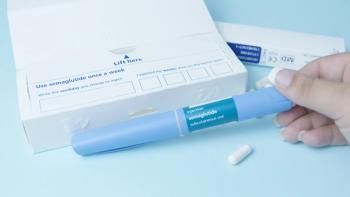
A rapid correction of hyperglycemia could be associated with ophthalmic complications based on several cases.

Lower rates of both progression of macular fibrosis and intravitreal aflibercept injections were found in those who used the resveratrol oral supplement.
Although most of the innovation in treatment has come in the past decade, new treatments for glaucoma are still being tested, albeit at a slower pace.

Patients with visual impairments face major physical and financial barriers when seeking emergency care.
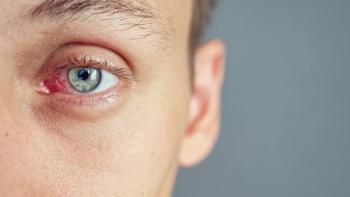
Calcitonin gene-related peptide (CGRP) and substance P (SP) had correlations with symptoms and signs of dry eye disease.
Medication, laser, and surgery are all methods of treating glaucoma according to Jonathan Eisengart, MD.

Patients with a foveal bulge had significantly enhanced visual acuity if they also had resolved diabetic macular edema (DME) or retinal vein occlusion (RVO).
Glaucoma can cause damage to the optic nerve if left untreated, making frequent eye appointments vital for catching it quickly.
The rates at which ganglion cell-inner plexiform layer (GCIPL) and retinal nerve fiber layer (RNFL) thin in the eyes was different in people with primary open angle glaucoma and pseudoexfoliation glaucoma.
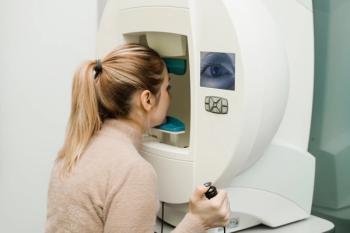
When compared with auditory stimulus, patients with glaucoma had slower response times to visual stimulus.
Although intravitreal faricimab helped to decrease central subfield thickness (CST) in patients with eyes previously treated for neovascular age-related macular degeneration, best corrected visual acuity showed no sign of improvement.

Articles covering FDA approvals, dry eye disease, and how eye diseases may be linked to falls were among the top 5 most-read articles of 2024.

Obesity, overweight, and hypertension could also affect the risk of retinopathy if not managed in patients.
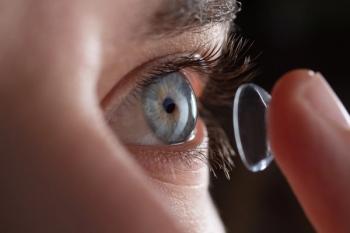
Patients with dry eye associated with contact lenses had significant improvement in visual acuity and their Ocular Surface Disease Index (OSDI) score after a month of using hydrogen peroxide.

Women who had children had a higher risk of reaching a visual acuity below 6/24 compared with those who did not have children.
Advertisement
Advertisement
Trending on AJMC
1
TrumpRx Launch Brings Savings—and Uncertainty
2
5 Things to Know About the Oral GLP-1 Era
3
Exploring Identity, Appearance Experiences Among Patients With Alopecia
4
As Cencora Closes With OneOncology, Patton Says Terms Show “Trust”
5