






Technology
Latest News
Advertisement
Finding the Best Path Forward for Adoption of Prescription Digital Therapeutics
Delve into the current state of prescription digital therapeutics (PDTs) adoption and uncover strategies for increasing payer approval and achieving widespread coverage of PDTs.

Latest Videos






CME Content


Advertisement
More News

Stephen Speicher, MD, and Kate Estep, from Flatiron Health, discuss the future of oncology care with artificial intelligence (AI).

For Patients Who Cannot Wait, This Off-the-Shelf CAR NK Treatment for AML Leaves Healthy Cells Alone
First part of a 2-part interview with Stephen Strickland, MD, MSCI, director of leukemia research for Sarah Cannon Research Institute. Strickland recently presented data from a phase 1 trial of SENTI-202, an investigational chimeric antigen receptor (CAR) natural killer (NK) cell therapy.

Despite similar scores on an aggression risk evaluation tool in a pediatric emergency department, Black youths were significantly more likely to be labeled with a high aggression risk behavioral health flag in their electronic health records compared with White youths.

This study compared 6 algorithmic fairness–improving approaches for low-birth-weight predictive models and found that they improved accuracy but decreased sensitivity for Black populations.

To safely and successfully use artificial intelligence (AI) tools in the pharmacy, credentialing bodies and professional associations will need to validate these tools for the individual pharmacist, said Harry Travis of The Travis Group.
A community-based remote patient monitoring (RPM) program was associated with significant reduction in blood pressure in Medicare patients with stage 2 hypertension, highlighting the potential benefits of RPM with care coaching.

Asembia’s AXS25 Summit covered a variety of relevant topics in the pharmaceutical industry, from the effects of the new administration to how artificial intelligence (AI) is reshaping the patience experience.

Discover how technological advancements and social factors impact cardiovascular care, LGBTQ+ health disparities, and cancer research at AACR 2025.

Antoine Keller, MD, discussed the future impact of technological advances for cardiovascular (CV) care and what other elements contribute to quality, accessible health care.

The 2025 Community Oncology Conference empowered attendees with insights on advocacy, innovation, and practical strategies for enhancing community cancer care.

Timely outpatient telepsychiatry care for Medicaid enrollees was associated with lower hospitalization rates and comparable overall costs, supporting its potential role in value-based care models.

K. "Vish" Viswanath, PhD, discusses the impact of misinformation on trust in health care, emphasizing the importance of reliable sources and patient-physician communication.

Coverage of our peer-reviewed research and news reporting in the health care and mainstream press.

Experts at the Community Oncology Conference discuss innovative patient navigation programs, emphasizing technology's role and the importance of human connection in cancer care.

Lalan Wilfong, MD, of Thyme Care and Texas Oncology, discusses a session on circulating tumor DNA (ctDNA) and shares insight as chair of the Community Oncology Alliance (COA) Payer Reform Committee.

Self-paying patients can now obtain semaglutide at a lower cost through trusted telehealth providers.
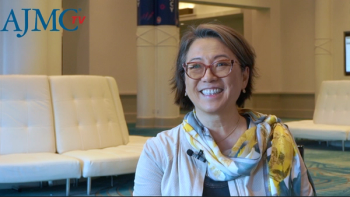
At the 2025 Community Oncology Conference, Nini Wu, MD, Navista, shares how AI can transform community oncology.

Experts urge for technology-driven, collaborative solutions as patients shoulder a growing burden of prescription costs.

Balancing technology and patient care can enhance communication and data collection, improving adherence and outcomes in specialty pharmacy, said Kathi Henson, MBA, of Orsini.

Mike Fazio, director of value-based care at Navista, Cardinal Health, discusses a trending topic at the 2025 Community Oncology Conference: optimizing oncology care with technology.

At Asembia’s AXS25 Summit, industry experts explored how pharmacy is evolving to meet rising patient expectations and navigate a shifting health care environment.
K. "Vish" Viswanath, PhD, explores the evolution of health misinformation, its sources, and the role of technology in shaping public understanding.

With artificial intelligence (AI) capabilities freeing up workers and driving billions in gains, pharmacy may soon see a 75% workload drop.

Artificial intelligence (AI) has the potential to deliver personalized nutrition; however, there is a need for professional oversight, emphasized Julia Logan, BS.
Julia Logan, BS, discusses the vital role of nutrition in cancer care, highlighting how artificial intelligence can enhance dietary recommendations for patients.
Advertisement
Advertisement
Trending on AJMC
1
As Cencora Closes With OneOncology, Patton Says Terms Show “Trust”
2
TrumpRx Launch Brings Savings—and Uncertainty
3
Exploring Identity, Appearance Experiences Among Patients With Alopecia
4
Benefits, Tradeoffs of Medically Integrated Dispensing in Oncology Care: Katherine Tobon, PharmD, BCOP
5