

Kidney Week 2026 brought strong IgAN data, looked back on 5 years of value-based kidney care, and highlighted evidence of persistent CKD care gaps.
Kidney Week 2026 brought strong IgAN data, looked back on 5 years of value-based kidney care, and highlighted evidence of persistent CKD care gaps.

Experts at ASN Kidney Week say earlier detection, national CKD screening, and faster uptake are needed to bring new therapies to patients.

Stanford's Richard Lafayette discusses 36-week povetacicept data in IgA nephropathy, including proteinuria, hematuria, and safety findings.

Karolinska Institutet’s Antoine Créon, MD, explains how alert fatigue, workflow, and center-level variation may have limited a CKD alert trial.
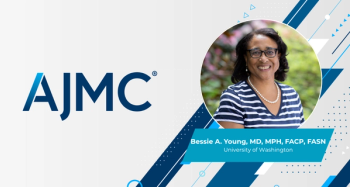
UW Medicine’s Bessie A. Young, MD, MPH, explains how high-risk APOL1 variants, ancestry, and environmental factors shape kidney disease risk.

Providence’s Katherine R. Tuttle, MD, FASN, explains why semaglutide is preferred in T2D and CKD and how guidelines sequence added therapies.

Jennifer Flythe, MD, MPH, discusses individualizing dialysis volume management and why guideline-directed therapy use lags in advanced CKD.

Povetacicept reduced proteinuria by 52% vs 4.3% with placebo at week 36 in adults with IgA nephropathy in the phase 3 RAINIER trial’s interim analysis.

Outpatient dialysis for unfunded patients with ESKD cut ED reliance and costs, while church-based CKD screening improved blood pressure.

At ASN Kidney Week 2026, experts said value-based kidney models improved dialysis starts, but payment cuts and MA growth are pushing practices out.

Columbia’s Jai Radhakrishnan, MD, MS, explains how FSGS differs by phenotype and why new IgA nephropathy drugs reach so few patients.

Hiddo Heerspink, PhD, discusses finerenone data in type 1 diabetes, FSGS and IgA nephropathy, and open questions on sequencing CKD therapies.

Posters in an artificial intelligence and digital care session at Kidney Week 2026 spanned CKD risk prediction and LLM-drafted prior authorization letters.
Karolinska Institutet’s Antoine Créon, MD, discusses why CKD alerts did not improve screening, retesting, or diagnosis in Stockholm primary care.

Speakers at ASN Kidney Week urge nephrologists to appeal prior authorization denials, include children in trials, and expand access to glomerular disease therapies globally.

ASN Kidney Week 2026 experts discussed GLP-1 RAs alongside lifestyle care, global access, and bariatric surgery for obesity in chronic kidney disease.

Kidney Week 2026 abstracts show that AMKD progresses quickly in routine practice, with or without diabetes, despite background CKD therapy.
Our most-read coverage of American Society of Nephrology Kidney Week 2023 highlighted discussions on the challenges of medication dose adjustments in chronic kidney disease, the impact of LGBTQ+ health care disparities on kidney outcomes, and much more.

Regardless of kidney disease subtype, biomarkers can successfully ascertain risk of kidney disease progression, said Steven Coca, DO, MS, of the Icahn School of Medicine at Mount Sinai.

Presenters at American Society of Nephrology Kidney Week 2023 highlighted the importance of understanding the barriers faced by the LGBTQ+ community that impact kidney outcomes and the need to gather better data for studying these issues.
There is great value, both for clinical trials and clinical practice, in biomarkers that identify patients at greatest risk of developing chronic kidney disease (CKD) after acute kidney injury, explained Steven Coca, DO, MS, Icahn School of Medicine at Mount Sinai.

Presenters at the American Society of Nephrology (ASN) Kidney Week 2023 highlighted the exciting new technologies that nephrology research has developed to improve patient outcomes, quality of life, and approaches to care.

Posters at ASN Kidney Week 2023 explored the economic burden brought on by chronic kidney disease (CKD) and further validated the Klinrisk model’s ability to predict progressive forms of CKD.

The use of a bioartificial kidney could save the transplant population from a life of immunosuppression drugs and save costs, according to Shuvo Roy, PhD, professor of bioengineering at the University of California San Francisco.
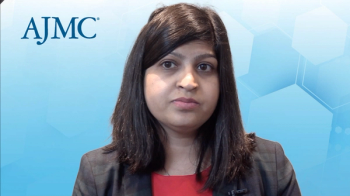
Pregnancies for patients on dialysis are high risk and care by a multidisciplinary team is extremely important for a successful birth, explained Silvi Shah, MD, MS, FASN, assistant professor, Division of Nephrology and Hypertension, University of Cincinnati.

Data shows sodium-glucose cotransporter-2 (SGLT2) inhibitors are efficacious and can be used in almost all common kidney diagnoses, explained William G. Herrington, MD, MA, MBBS, Nuffield Department of Population Health, University of Oxford.

Presenters at ASN Kidney Week 2023 emphasized the importance of patient education, awareness, and advocacy in the realm of kidney transplantation.

For patients with chronic kidney disease, dose adjustments for other medications requires coordination with other specialists to maintain treatment efficacy, explained Linda Awdishu, PharmD, FASN, professor and division head of clinical pharmacy at the University of California, San Diego, Skaggs School of Pharmacy and Pharmaceutical Sciences.
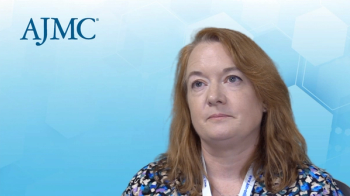
Smaller noncoding RNA is being used in clinical practice and as knowledge grows of long noncoding RNA, use of it should follow, explained Laura Denby, PhD, Kidney Research UK Senior Fellow, senior lecturer and principal investigator in the Centre for Cardiovascular Science at the University of Edinburgh.

Two posters presented at Kidney Week 2023 evaluated the global state of chronic kidney disease (CKD) and shed light on delays in CKD diagnoses in the United States.