
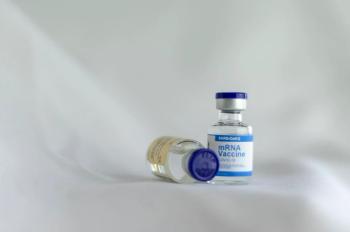
A session at the American Heart Association Scientific Sessions covered the data behind concerns about mRNA vaccines for COVID-19 and myocarditis. Then, leaders from Pfizer and Moderna discussed opportunities the technology offers.
A session at the American Heart Association Scientific Sessions covered the data behind concerns about mRNA vaccines for COVID-19 and myocarditis. Then, leaders from Pfizer and Moderna discussed opportunities the technology offers.
Aaron Lee, MD, an associate professor of ophthalmology at University of Washington, describes how artificial intelligence (AI) is used in ophthalmology now and how it could be utilized in the future.

Emergency department utilization for nonemergent ophthalmic conditions is on the rise in the United States, but presentation types vary significantly based on patient demographics, according to 2 posters presented at the American Academy of Ophthalmology (AAO) 2021 meeting.

Victoria Ly, MD, MPH, explains the results of her study on follow-up among students in Arkansas who failed their vision screening tests.
Judith Lavrich, MD, and Jordan Hamburger outline findings from their research on virtual school and children's eye health.
Certain ophthalmic subspecialties were more well suited for telemedicine use based on what tends to get covered in patient visits, said Darren Chen, MD student at Weill Cornell Graduate School of Medical Sciences.

The real-world visual acuity gains in age-related macular degeneration (AMD) after treatment have been inferior to those seen in clinical trials, explained a speaker during the American Academy of Ophthalmology 2021 meeting.
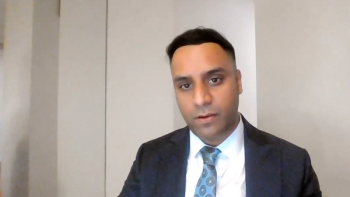
Most of the adverse events that resulted from use of teprotumumab have been reversible, said Shoaib Ugradar, MD, UCLA Stein Eye Center Santa Monica.

Data about prescribing preferences and protective effects of GLP-1 receptor agonists in diabetes were presented on the opening day of the 2021 American Heart Association Scientific Sessions, held in a virtual format.
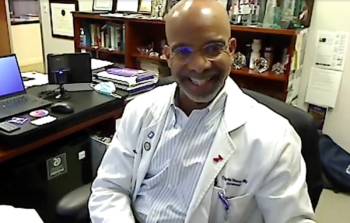
Clyde W. Yancy, MD, MSc, of Northwestern University’s Feinberg School of Medicine, explains the connections between health care equity and advances in treatment for heart failure and how the United States' policy and science agenda can address them.

Khadijah Breathett, MD, MS, FACC, FAHA, FHFSA, is an assistant professor in the University of Arizona College of Medicine--Tucson, Division of Cardiology. She is presenting a talk at the American Heart Association (AHA) Scientific Sessions, "COVID-19 as a Catalyst to Address Disparities in Cardiovascular Outcomes and Inequities in Cardiovascular Care Delivery.”
Patients with thyroid eye disease (TED) have high rates of health care resource utilization (HRU) and their disease has substantial impact on their quality of life (QOL).

Experts presenting at the American Society of Ophthalmic Plastic & Reconstructive Surgery 2021 Fall Scientific Symposium outlined racial/ethnic disparities in ocular complications.
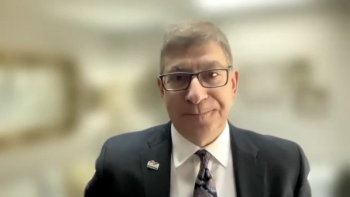
Unlike other options in the past, teprotumumab actually addresses bulging eye and double vision associated with thyroid eye disease (TED), which patients primarily care about, explained Robert G. Fante, MD, FACS, president of the American Society of Ophthalmic Plastic & Reconstructive Surgery and facial plastic surgeon and cosmetic surgeon, Fante Eye & Face Centre in Denver, Colorado.
Whether or not a child’s vision is impacted by ptosis, there are usually alternatives to surgery, which is elective, said William Katowitz, MD, attending surgeon in the Division of Ophthalmology at Children's Hospital of Philadelphia.
Studies presented at the American Society of Ophthalmic Plastic & Reconstructive Surgery 2021 Fall Scientific Symposium explored the impact of lower dose rituximab on orbital lymphoma and factors associated with survival in conjunctival lymphoma.

Solutions for health equity, treatments for heart failure, and the use of technology in prevention and patient care are just some of the topics on the agenda for the 2021 American Heart Association (AHA) Scientific Sessions, which will take place Saturday through Monday in a virtual format.
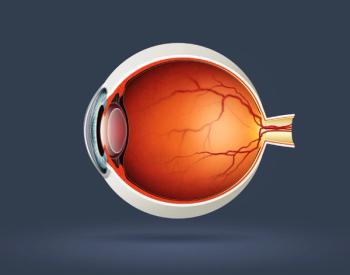
At the American Society of Ophthalmic Plastic & Reconstructive Surgery's 2021 Fall Scientific Symposium, presentations on orbital complications included research on poorly positioned implants and factors associated with orbital compartment syndrome.
Seth Martin, MD, MHS, associate professor of medicine at Johns Hopkins University and co-director of the Center for Mobile Technologies to Achieve Equity in Cardiovascular Health (mTECH Center), gives a preview of his presentation on digital divides at the American Heart Association (AHA) Scientific Sessions 2021.

Study findings presented at the American Society of Ophthalmic Plastic & Reconstructive Surgery's 2021 Fall Scientific Symposium detail the benefits of teprotumumab for thyroid eye disease.
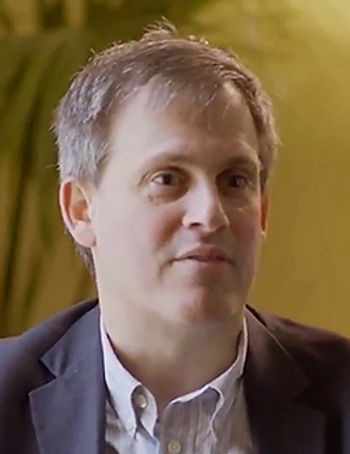
Michael E. Chernew, PhD, co-editor-in-chief of The American Journal of Managed Care®, discussed cost and sustainability issues specific to commercial insurance, Medicare, and Medicaid at the National Alliance 2021 Annual Forum held in a hybrid format in Washington, DC.
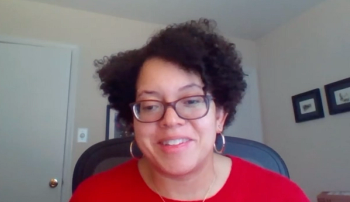
Tiffany Powell-Wiley, MD, MPH, a Stadtman investigator and chief of the Social Determinants of Obesity and Cardiovascular Risk Laboratory at the National Heart, Lung, and Blood Institute, with a joint appointment at the National Institute on Minority Health and Health Disparities, discusses ongoing trials and the American Heart Association’s Scientific Statement on social determinants of obesity and cardiovascular disease.
The American Society of Ophthalmic Plastic & Reconstructive Surgery 2021 Fall Scientific Symposium will feature presentations on oculofacial surgery innovations, social justice and diversity, and more.

Hospitalization for an acute kidney injury (AKI) event was identified as a risk factor for several adverse events after hospital discharge, including hospital readmission and mortality, according to findings presented at Kidney Week 2021.
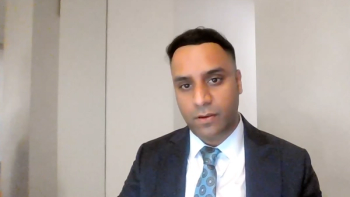
At the American Society of Ophthalmic Plastic & Reconstructive Surgery (ASOPRS) 2021 Fall Scientific Symposium, Shoaib Ugradar, MD, UCLA Stein Eye Center Santa Monica, will receive an award for his work on floppy eyelid syndrome and using collagen cross-linking to stiffen the eyelid and help patients.
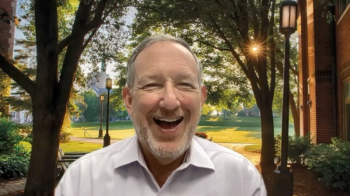
Richard Wasserman, MD, PhD, an allergist and immunologist with Allergy Partners of North Texas, an early adopter of food allergy oral immunotherapy (OIT), discusses how attitudes have changed around the practice.

To avoid bankrupting health care, providers must carefully consider how they use biologics in patients with severe asthma, according to a presenter at the American College of Allergy, Asthma & Immunology Annual Scientific Meeting.
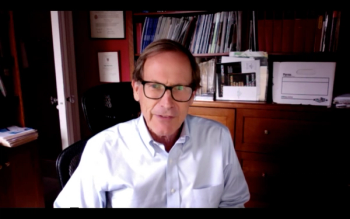
James Auran, MD, a professor of ophthalmology at Columbia University Irving Medical Center and president of the American Society of Ophthalmic Trauma, explains what he is most looking forward to at the 2021 conference of the American Academy of Ophthalmology (AAO).
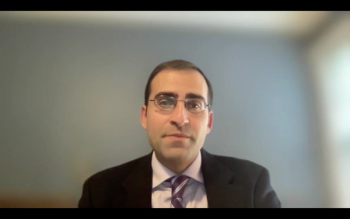
David Ramsey, MD, PhD, MPH, previews a session at the American Academy of Ophthalmology 2021 conference that explores whether telehealth visits among patients with diabetes affected rates of completed in-person eye examinations.

While low- and middle-income countries remain desperate for a COVID-19 vaccine, the United States has entered a dangerous new phase of the pandemic, where antivaccine forces are exporting their antiscience beliefs to other countries, according to a keynote speaker at the American College of Allergy, Asthma & Immunology Annual Scientific Meeting.

259 Prospect Plains Rd, Bldg H
Cranbury, NJ 08512
© 2025 MJH Life Sciences®
All rights reserved.