

Burdened by high prescription drug costs, states are looking northward to Canada; more hands-on nursing care can help fight hospital-acquired pneumonia; and doctors should talk to teens about contraceptive options.
Burdened by high prescription drug costs, states are looking northward to Canada; more hands-on nursing care can help fight hospital-acquired pneumonia; and doctors should talk to teens about contraceptive options.

Coverage of our peer-reviewed research and news reporting in the healthcare and mainstream press.

HHS Secretary Alex Azar is open to the CDC conducting research into the causes of gun violence; advocates for those with mental illness spoke out against making assumptions about links between mental health issues and gun violence; a doctor's settlement of $5000 for a $17,850 urine test with a Texas lab on behalf of his daughter has given rise to a complaint with the state attorney general.

The Department of Justice is moving forward with a $1 billion lawsuit against UnitedHealth Group over Medicare claims; Oregon's legislature is considering adding healthcare as a right to the state's constitution; another trial for an Alzheimer disease drug is stopped.
The proposed budget released Monday would have winners and losers in Medicare; President Donald Trump's budget, a messaging statement, contains healthcare cuts; veterans in California risk eviction from veterans homes if they intend to use an aid-in-dying law.
The White House budget set for release Monday will include almost $17 billion to fight opioid addiction; a profile of FDA chief Scott Gottlieb, MD, describes him as someone who's become adept at balancing competing interests; the Trump administration is set to appoint a new drug czar with no public health experience.
President Trump will reportedly unveil a Medicare Part D cost strategy next week; a bipartisan drug pricing measure was left out of the budget deal; hand sanitizer is popping up all over the Winter Olympics in South Korea in an effort to fight back against a norovirus outbreak.
Affordable Care Act (ACA) enrollment was stable in most places despite turmoil; National Institutes of Health research, opioid, and mental health funding see gains in budget deal, but ACA stabilization plan is missing.

The House's stopgap spending bill includes Medicare extenders; 40 patient advocacy groups oppose the right-to-try legislation that President Donald Trump is supporting; new research finds fetal alcohol syndrome and alcohol-related disorders may be more common than previously thought.

Tennessee will implement a 2-year pilot to improve medication adherence and effectiveness for Medicaid beneficiaries; implementing work requirements in Virginia's Medicaid program could cost $100 million by the second year, according to an analysis; the Flint water crisis has officially been linked to a Legionnaires outbreak that took place in 2014 and 2015.

At least 9 states are considering their own health insurance mandates now that Congress has repealed that of the Affordable Care Act; a senator is calling on the United States to invest $1 billion into developing a universal flu vaccine; physicians believe proposed Florida legislation may be too tough on opioid prescriptions.
The flu vaccine is just 17% effective against the current virus; Indiana dropped 25,000 people from its Medicaid program for not paying premiums; the CDC is cutting back on efforts to prevent infectious disease outbreaks in other countries as funding runs out.
Coverage of our peer-reviewed research and news reporting in the healthcare and mainstream press.
Democrats push for a Medicaid buy-in option in New Mexico; half of the veterans of the wars in Iraq and Afghanistan aren't receiving the mental health care they need; Utah moves forward with 2 bills related to medical marijuana.

Four telehealth bills could be signed into law over the next year by Congress; President Donald Trump mentioned "right-to-try" legislation in a favorable light in his State of the Union speech; the House Energy and Commerce Committee will hold legislation hearings on the opioid crisis February 26.

Amazon, Berkshire Hathaway, and JP Morgan Chase & Co are partnering to deliver healthcare in a new way to their employees; a fitness app accidentally revealed the locations of military bases and personnel through a global heat map; a bill that would ban abortion after 20 weeks of pregnancy fell short of the 60 votes needed in the Senate.

Majority of Americans don't know the Affordable Care Act's individual mandate was repealed or are unsure; health providers and anti-abuse agencies are collaborating to better care for victims of domestic abuse; preventive care doesn't reduce overall costs, but it does improve quality of life.
Coverage of our peer-reviewed research and news reporting in the healthcare and mainstream press.

FDA panel rejects claim that smokeless cigarettes result in less harm and disease; big data might be able to shed light on the health effects of weight gain; healthcare is not a key issue among voters in battleground states.

Analysis finds ties between pharmaceutical industry and federal government are deepening; Mississippi readies a Medicaid work requirement waiver; research identifies danger of interactions between herbal supplements and prescription medications.
The Drug Enforcement Administration is allowing more health practitioners prescribe buprenorphine to treat opioid addiction; a public health review found mixed results on the outcome of using e-cigarettes based on age; a new index has graded pharmaceutical companies on how well they are fighting against the spread of superbugs.
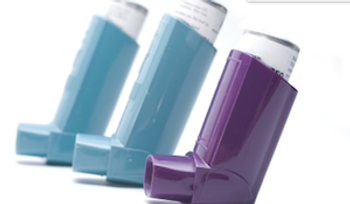
Respimat from Boehringer Ingelheim is now the first and only inhaler to be awarded the Ease of Use Commendation by the Arthritis Foundation. This award identifies products that make life easier for people with arthritis and other physical limitations.

Kentucky may require Medicaid patients who lose coverage to pass a health literacy test; new tax law encourages companies to offer paid family and medical leave with tax credit; biopharma leaders head to Davos to share ideas.

Flu season may have peaked with a hospitalization rate reaching 31.5 per 100,000 people; Wisconsin's Republican governor now seeks to stabilize the state's Affordable Care Act marketplace; the Trump administration revokes protection for Planned Parenthood funding.

House passes spending bill that includes funding for the Children's Health Insurance Program for 6 years; researchers work on an experimental blood test that could detect 8 cancers; President Donald Trump plans to slash the budget of the Office of National Drug Control Policy by as much as 95%.
Coverage of our peer-reviewed research and news reporting in the healthcare and mainstream press.

HHS proposes allowing healthcare providers to decline performing services based on moral or religious objections; HHS secretary nominee will advance to full Senate vote; a government shutdown could have long-lasting public health effects.

A study finds that protein markers may be a better predictor of drug response than genetic mutation are in patients with acute myeloid leukemia (AML). As a result, some patients who could benefit from treatment may not be eligible under current approval specifications.

Wal-Mart is providing customers with a way to safely dispose of unused opioids; Kentucky's governor signs a bill to protect his Medicaid overhaul; Maryland coalition aims to ban price gouging for specialty and brand-name drugs.

The language used by doctors contributes to why patients don't understand what they are told; the number of American adults without health insurance grew 1.3 percentage points from the end of 2016 to the end of 2017; women are increasingly faced with the decision between 2D and 3D mammograms.