

Addressing Natural Disaster Takes Cooperation, Preparation to Ensure Patient Health
Published: | Updated:
As hurricane season approaches, doctors, pharmacists, and clinics prepare for treating their patients when accessibility is limited.

Julia is an associate editor for The American Journal of Managed Care® (AJMC®) and joined AJMC® in 2022. She produces written and video content covering multiple disease states, and assists in the screening process for manuscripts submitted to AJMC®.
She has a BA in English language and literature from Rutgers University. You can connect with Julia on LinkedIn.
As hurricane season approaches, doctors, pharmacists, and clinics prepare for treating their patients when accessibility is limited.

Ted Okon, MBA, executive director of the Community Oncology Alliance, spoke with The American Journal of Managed Care® about how the Federal Trade Commission's (FTC) lawsuit against pharmacy benefit managers (PBMs) could affect the future of pharmaceuticals and oncology.

Colorectal cancer (CRC) could be affected by various factors involved in sleep, including snoring.
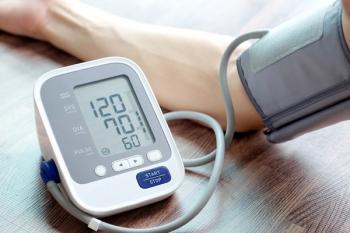
Medicaid coverage was able to help some people lower their blood pressure according to a new study.
Information on the disease and treatments, assistance with insurance, and transportation are among the types of support needed by patients with multiple myeloma to improve outcomes and overall burden.

More than 25 million people lost their Medicaid coverage during the unwinding process conducted by all states following the pandemic.

A substantial overall survival (OS) disparity by race and ethnicity was found in patients with colorectal cancer (CRC), with socioeconomic status and tumor molecular features largely contributing to the difference in OS.

MYL-1701P displayed similar efficacy, safety, and immunogenicity when compared with reference aflibercept to treat diabetic macular edema.

Lowered costs and incremental effectiveness could improve when using biomarker-guided selection for treatment of patients with metastatic colorectal cancer using first-line nivolumab.
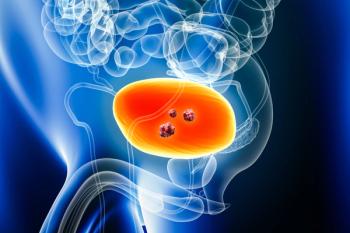
Enfortumab vedotin showed a robust disease control rate in patients with urothelial cancer outside of a clinical trial, and its efficacy was not inferior in patients with diabetes and/or neuropathy.

Trastuzumab deruxtecan (T-DXd) was effective in patients with HER2-positive (HER2+) metastatic breast cancer, with no new safety profiles observed.

Goals including addressing all of hunger and food insecurity, unmet needs for mental health services, and unstable housing or homelessness in people living with HIV are unlikely to meet their 2025 thresholds.

An update to the colonoscopy guidelines released by the American College of Gastroenterology and the American Society for Gastrointestinal Endoscopy could have implications on how colonoscopies are measured in the future.

An AI segmentation system was able to identify changes in retinal segmented features based on optical coherence tomography (OCT) images.

Drug use, participation in exchange sex, and depressive symptoms were all found to be associated with bacterial sexually transmitted infections (STIs) in sexual minority men living with HIV.

Patients who received radiotherapy without a recurrence of rectal cancer had significantly lower quality of life compared with patients who did not receive radiotherapy.

There were no significant differences found between people with and without HIV when it came to their periodontal profile.

Patients who had weight-loss surgery were more likely to have managed their high blood pressure compared with those who used medications and modes of management.

The trend of food insecurity continued in 2023, according to a report from the Department of Agriculture.

Treating and preventing correctable vision impairments could prevent up to 19% of dementia prevalence, according to a new study.

Educational principles implemented after 1998 may have led to lower mortality rates in patients with colorectal cancer (CRC) receiving care from doctors trained after that point.

The eye condition, which can induce the loss of central vision, could see effective treatment options pending FDA approval.
The probability of overall survival after 1, 5, and 10 years was predicted by a nomogram model, which found that worse Surveillance, Epidemiology, and End Results (SEER) stage was associated with worse outcomes.

Providing health care for Olympic athletes can put a heavy burden on both the competitors and their doctors to deliver that care and to pay for such care in the long term.

Early-stage detection of colorectal cancer (CRC) could be achieved using a noninvasive multiomics liquid biopsy test, according to a recent study.

Measures of systemic inflammation used for the liver, including C-reactive protein-albumin ratio and modified Glasgow prognostic score, demonstrated prognostic value in non–small cell lung cancer (NSCLC).

Primary care clinics in underserved areas including eye disease detection programs could reduce vision loss in the US.

Disparities in hypertension brought on by neighborhood deprivation were most prominently found in Black patients.

The new guidelines are another method of keeping a high-quality standard for colorectal cancer screening.

A federal judge determined that all people being actively treated for HIV can enlist in the military.