

Early remdesivir treatment was associated with lower graft loss and cardiovascular events in kidney transplant recipients, noted Nitipong Permpalung, MD, MPH.

Sabrina McCrear is an assistant editor for The American Journal of Managed Care® (AJMC®), which she joined in 2025. She produces written and video content across a range of disease areas and manages social media platforms for The Center for Biosimilars, an AJMC® publication.
Sabrina holds a B.A. in Journalism with a minor in Biology from Howard University in Washington, D.C. You can connect with her on LinkedIn.
Early remdesivir treatment was associated with lower graft loss and cardiovascular events in kidney transplant recipients, noted Nitipong Permpalung, MD, MPH.

Experts discussed biomarker testing, novel cancer therapies, multidisciplinary care, and strategies to expand access.

Anosheh Afghahi, MD, discusses biomarker testing, trial matching technology, and community-academic partnerships to improve enrollment.

Polygenic risk scores show promise for idiopathic pulmonary fibrosis (IPF), though clinical implementation challenges remain, said David Zhang, MD.

Clesrovimab remained well tolerated through a second RSV season in infants at increased risk of severe RSV.

Urs Weber, MD, explains how multidisciplinary teams streamline biomarker testing and improve treatment planning in thoracic oncology.
Urs Weber, MD, discusses why comprehensive NGS is critical and where community biomarker testing often falls short.
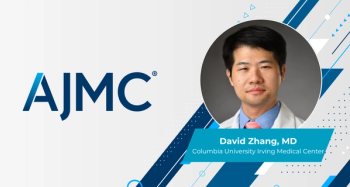
David Zhang, MD, discusses the limitations of polygenic risk scores and remaining barriers to their clinical use in idiopathic pulmonary fibrosis.

Cognitive rehabilitation significantly improved goal attainment and satisfaction in adults with long COVID-related cognitive impairment.
David Zhang, MD, discusses how real-world EHR and biobank data could advance polygenic risk scores for IPF diagnosis and risk prediction.

Public health groups sued the FDA, alleging its e-cigarette enforcement guidance violates federal tobacco law and risks youth nicotine addiction.

Voice changes may help detect asthma and COPD exacerbations early, supporting future remote disease monitoring.

Respiratory rehabilitation improved exercise capacity in patients with COPD with and without suspected pulmonary hypertension.

New Legionnaires disease cases in NYC's Upper East Side cluster have declined as officials continue cooling tower remediation and investigation.

The FDA approved LEQEMBI IQLIK for once-weekly at-home subcutaneous initiation in early Alzheimer's disease based on IV and extension study data.

Stefanie Houseknecht, PharmD, explains how oncology pharmacists support biomarker testing, targeted therapy selection, and patient education in lung cancer care.

Michigan has confirmed more than 1500 cyclospora cases as officials investigate the source of one of the nation's largest foodborne parasite outbreaks.

Jennifer Sheng, MD, discusses how multidisciplinary collaboration, tumor boards, and coordinated care improve breast cancer treatment and survivorship.

Stefanie Houseknecht, PharmD, discusses patient education, financial barriers, and pharmacy's expanding role in precision lung cancer care.

COVID-19-related Medicare spending and health care use declined after acute infection, with minimal excess costs by weeks 13 to 40 after diagnosis.

Explore the biggest FDA PDUFA decisions expected in 2026, including gedatolisib, iberdomide, zidesamtinib, bepirovirsen, and anito-cel.
Jennifer Sheng, MD, discusses how consistent follow-up, patient education, and lifestyle interventions improve breast cancer survivorship care.

Large biobank study suggests a polygenic risk score may improve prediction of idiopathic pulmonary fibrosis diagnosis and outcomes.

Jody Agena, PharmD, discusses staffing, communication, and operational readiness for implementing complex oncology therapies.

The FDA advisory committee supports Moderna’s mRNA-1010 flu vaccine for adults 50-plus, with an August 5 PDUFA decision pending for mFlusiva.

Minhee Kang, PharmD, explains how oncology pharmacists translate clinical research into safe, coordinated cancer care.
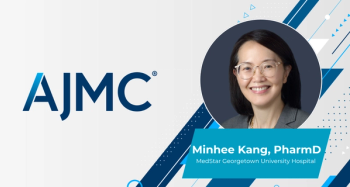
Minhee Kang, PharmD, discusses 3 key considerations for oncology pharmacists to improve treatment safety, patient education, and care delivery.

NCCN added pemivibart to its lymphoma guidelines, expanding COVID-19 prevention options for immunocompromised patients.

House lawmakers reviewed veterans' health bills focused on mental health, rural access, spinal injury care, and military aviation research.

The House passed HR 5347 to extend flexible Medicare ACO quality reporting and support smaller practices transitioning to digital measures.