

A study examining how US biosimilar uptake has evolved found that biosimilars launched more recently have seen better uptake than biosimilars that have been on the market for a longer period.

Skylar is an associate editorial director for The American Journal of Managed Care® (AJMC®) and The Center for Biosimilars®, and joined AJMC® in 2020. She is responsible for covering all aspects of the ever-changing global biosimilar industry and produces content that is accessible and informative for all health care stakeholders.
She has a BA in journalism and media studies from Rutgers University. You can connect with Skylar on LinkedIn.
A study examining how US biosimilar uptake has evolved found that biosimilars launched more recently have seen better uptake than biosimilars that have been on the market for a longer period.

Variances between sex and age were found among patients with chronic obstructive pulmonary disease (COPD) with a viral infection who visited the emergency department (ED) visit or were hospitalized, highlighting the role that these factors play.

Physical frailty affects a large proportion of patients with chronic obstructive pulmonary disease (COPD) and chronic respiratory failure and current tools for detection may be inadequate, according to a recent report.

Celltrion Healthcare’s high-concentration adalimumab biosimilar demonstrated comparable safety, efficacy, and immunogenicity profiles to the reference product for up to a year, providing further evidence supporting use of the product.

Abstracts from the ATS 2021 International Conference addressed patient decision-making frameworks for seeking care for chronic obstructive pulmonary disease (COPD) and tactics used to assist hospitals in implementing readmission reduction plans.

Abstracts from the ATS 2021 International Conference provided some insight into tactics that could improve the effectiveness of pulmonary rehabilitation programs in patients with chronic obstructive pulmonary disease (COPD).

Some recent oncology news includes research into factors impacting the well-being of childhood cancer survivors; whether COVID-19 accommodations will last post-pandemic; and a possible new therapy for patients with polycythemia vera.

Sandoz Canada launches its sixth biosimilar, an anticoagulant used to treat deep vein thrombosis, on the Canadian market.

A literature review sheds light on cancer risk factors and suboptimal screening levels that persist in the United States among certain racial, ethnic, and socioeconomic groups, despite a steady decline in cancer deaths and smoking prevalence.
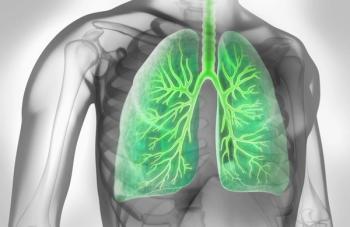
Posters presented at the ATS 2021 International Conference noted some ways clinical characteristics associated with patients with chronic obstructive pulmonary disease (COPD) differ based on different demographics and smoking status.

After switching to 1 of 2 adalimumab biosimilars, patients with inflammatory bowel disease (IBD) experienced comparable clinical outcomes to the reference product after 6 months, according to a recent study.

In a review, investigators concluded that physicians should use pulmonary function tests in addition to standard spirometry evaluations to better ensure that patients are appropriately being diagnosed and treated for chronic obstructive pulmonary disease (COPD).

Hospitalized infants with the rare metabolic disorder maple syrup urine disease (MSUD), who are intolerant to oral or enteral administration of branched-chain amino acid-free formula, may benefit from an intravenous formulation.

A poster presentation highlighted the impact that payer preferences could have on biosimilar utilization and the potential savings that could be generated if payers decide to take advantage.

Attribution algorithms for patients with newly diagnosed cancer should account for cancer type and stage, among other characteristics, to ensure that attribution measurements are accurately calculated, investigators concluded.

Under the lawsuit, Alvotech alleges that AbbVie is unlawfully taking advantage of patent laws and claims courts to prevent biosimilar competition rivaling its blockbuster drug, Humira, from entering the US market.

The model that incorporated environmental and lifestyle data collected from a fitness tracker and a smartphone app was successful at predicting acute exacerbation of chronic obstructive pulmonary disease (AECOPD) 7 days in advance.

Specific factors, such as experience with technology and health literacy, were key drivers of whether a patient with chronic obstructive pulmonary disease (COPD) would benefit or be likely to use eHealth tools to improve self-management skills, investigators concluded.

Administrative claims data in oncology often lack sufficient information to conduct postmarketing comparison studies of biosimilars with their reference product, suggesting that other sources are needed to answer critical research questions.

Alberta, Canada becomes the latest province to begin switching patients from originator adalimumab (Humira) to biosimilar versions as part of its Biosimilars Initiative.

Factors related to pulmonary and physical activity could serve as predictors for how long patients with chronic obstructive pulmonary disease (COPD) can tolerate during an endurance walk test, potentially leading to more accurate analyses on the effectiveness of interventions.

FDA's step toward additional flavoring bans in tobacco products advances its commitment to reducing tobacco-related death, officials said.

Growth differentiation factor 11 (GDF11) may be a useful biomarker for predicting physical activity in patients with chronic obstructive pulmonary disease (COPD), which could help physicians better determine disease prognosis, investigators concluded.

Authors of a global meta-analysis concluded that patients with chronic obstructive pulmonary disease (COPD), who are generally at a higher risk for lung cancer, may gain some protection from inhaled corticosteroids.

A recent study concluded that designers of pulmonary rehabilitation programs should consider patients’ preferences on what components they feel are the most important to ensure that the programs are successful and effective.

Guidelines on the use of biologic drugs in patients with psoriasis were mostly seen as having medium-to-high quality; however, investigators said that more work needs to be done to ensure applicability to clinical practice.
Investigators explored common challenges cited by hospital staff as barriers to implementation and adherence with national guidelines for managing chronic obstructive pulmonary disease (COPD).
Medications and management processes known to be ineffective or harmful in infants with bronchiolitis were tossed in favor of targeted interventions in hospitals, resulting in improvements in bronchiolitis care.
Investigators concluded that patients with prior pulmonary tuberculosis had an increased risk and high prevalence of chronic obstructive pulmonary disease (COPD), regardless of smoking history.

A study of newborns exposed to SARS-CoV-2, the virus that causes COVID-19, during gestation found few instances of ocular abnormalities, with none detected in exposed infants who testing positive.