




Liver Disease
Latest Content
Advertisement
Latest Videos




Shorts

1:11
Targeting Lifestyle Factors for MASLD Management: Zobair M. Younossi, MD
2 months ago
by
Brooke McCormick(+1 more)
Podcasts

Advertisement
More News

SaTScan detects an acute HCV outbreak cluster in California, showing the potential of automated surveillance, though real-time testing is needed.

Proinflammatory diets were tied to higher mortality in MASLD and MetALD, whereas antioxidant-rich diets tracked with better survival.

An analysis finds distinct adverse event reporting patterns across immunosuppressive regimens, highlighting the need for tailored safety monitoring.

Lean MASLD shows milder histology than overweight and obese MASLD but similar mortality and event risk, with fibrosis tied to prognosis.

Ultimately, causality could not be established due to lack of data on disease severity and socioeconomic status, among others.
A national study found comorbidities may drive worse long-term survival among patients with MASH awaiting or undergoing liver transplant.

MASLD was linked to higher odds of EoE and reflux-related diseases, suggesting metabolic dysfunction may contribute to esophageal disease.

MASLD/MASH was associated with higher mild cognitive impairment risk and lower dementia odds, but competing risks may explain the latter finding.

A recent study found semaglutide more than doubled the likelihood of MASH resolution, but it did not significantly improve fibrosis.

Hepatitis B and C prevention programs improve detection, treatment, and liver outcomes, but screening, care access, and implementation gaps remain.

Real-world data show patients with MASH reach cirrhosis in just 16 months, fueling calls for wider use of fibrosis biomarkers like FIB-4.

Elliot Tapper, MD, explains how digital health, precise screening, and direct hepatology care can treat alcohol-associated liver disease and mental health.
Simple FNI labs pinpoint high‑mortality MASLD fibrosis in type 2 diabetes, challenging FIB‑4 and sharpening MASH liver disease screening.
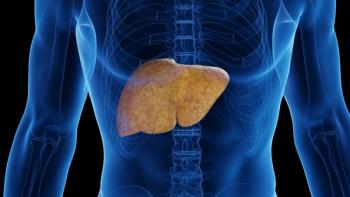
The global prevalence of MASLD was 16.1% as recently as 2023, with many individuals being asymptomatic and carrying a major risk of future complications.

New research highlights the effectiveness of targeted therapies for metabolic dysfunction–associated steatohepatitis (MASH), guiding treatment decisions and trial designs.

Semaglutide shows promise in improving liver health and metabolic outcomes in MASH, enhancing steatohepatitis resolution and cardiometabolic measures.

New research reveals gut microbiome changes in children with obesity signal liver disease progression, offering insights for early detection and intervention.
Researchers unveil a spatial multi-omics atlas revealing immune cell interactions and lipid metabolism's role in metabolic liver diseases, offering new therapeutic insights.

A new analysis reveals effective therapies for reducing liver fat in metabolic dysfunction-associated steatohepatitis and highlights MRI-PDFF as a key measurement tool.

Liver Awareness Month raises awareness of liver disease causes, risks, symptoms, and prevention, highlighting individual actions and policy efforts.

Patients with chronic liver disease who were unable to establish care were 85% more likely to require recurrent hospitalizations. This group included a disproportionate number of women and individuals with physical limitations affecting their health.

The first medication for the treatment of nonalcoholic steatohepatitis (NASH) and liver fibrosis received accelerated approval. Previously, the only treatment available to patients was implementing lifestyle changes aimed at weight reduction.

In this study, authors assessed the proportion of patients with nonalcoholic fatty liver disease (NAFLD) receiving prescriptions for statins in primary care.

Curative direct-acting antivirals for chronic hepatitis C provide a net economic benefit to Medicaid in less than 1 year. Cumulative savings to date have exceeded $15 billion.

A more-developed version of the assay used in this study may help manage patients with acute decompensation of liver cirrhosis or acute-on-chronic liver failure before liver transplantation.

Patients with Medicare Advantage (MA) were 1.5 times more likely to die within a month of surgical removal of their stomach or liver, and twice as likely to die within a month of oncologic surgery of the pancreas, compared with patients with traditional Medicare.

Nancy Reau, MD, section chief of hepatology at Rush University Medical Center, elaborates on survey results showing providers have varying awareness and understanding on guidelines for chronic liver disease.

Across 4 types of smoking status groups, nonalcoholic fatty liver disease (NAFLD) risk significantly increased among participants who saw an increase in body mass index (BMI) and decreased among participants whose BMI went down.
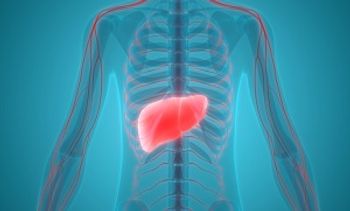
Challenges to the care of chronic liver disease (CLD) include the burden of costs, managed and multidisciplinary care issues, and the lack of awareness for clinical guidelines.
Advertisement
Advertisement
Trending on AJMC
1
As Employers Pull Back on GLP-1s, Andel and Novo Offer a Workaround
2
Enlicitide LDL-C Lowering Holds Across Risk Levels Up to 2 Years
3
FDA Approves First Plasmid DNA-Based Immunotherapy for Adults With RRP
4
Occasional Cannabis Use Linked to 40% Higher Odds of Stroke
5