



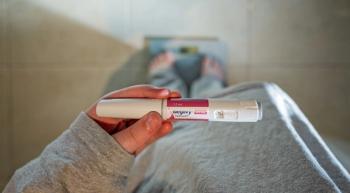
Rising prescription drug costs challenge US health care, prompting calls for reform and innovative solutions to enhance affordability and access for patients.
Rising prescription drug costs challenge US health care, prompting calls for reform and innovative solutions to enhance affordability and access for patients.

Employers explore glucagon-like peptide-1 (GLP-1) therapies' impact on health benefits, showcasing accountability and data-driven strategies in Philadelphia, Pennsylvania, and Wilmington, Delaware, for sustainable health programs.

A recent study aimed to assess evidence on the safety and complications of preoperative glucagon-like peptide-1 (GLP-1) receptor agonist use.
Glucagon-like peptide 1 receptor agonists, including semaglutide, have increased in use and will continue to increase due to their effectiveness in weight loss.

A new model was linked to decreased BMI, caloric intake, and loss of control eating in veterans with binge eating disorders or subjective binge eating episodes.
This Managed Care Cast episode explores how high costs and inconsistent insurance coverage for incretin mimetics impact obesity management and patient care.

Prenatal exposure to air pollution was associated with childhood obesity risk in a recent study, highlighting the urgent need for environmental health awareness.

Racial disparities in childhood obesity have risen due to social determinants, food insecurity, and systemic barriers, impacting minority communities across the US.

The aim of the study was to not only observe the disparities exacerbated by the COVID-19 pandemic but also to draw attention to the issue to drive real, lasting change.

Prenatal and early-life factors significantly influence childhood obesity trajectories, highlighting the need for early interventions to promote healthy growth.

Obesity was significantly more prevalent in Black and Hispanic children and adolescents compared with their non-Hispanic White peers and was potentially exacerbated by the COVID-19 pandemic, a study found.

Maridebart cafraglutide showed promising results in weight loss, offering a monthly treatment option for obesity with significant health benefits.
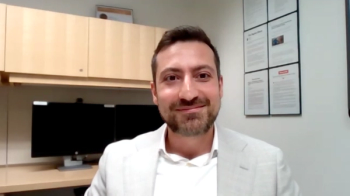
Conversations between the patient and provider should focus on the stakes of antiobesity treatment and continuation, says Hamlet Gasoyan, PhD, Cleveland Clinic.
Data from 2019 to 2023 show 9.2% of adults with obesity reported cost-related medication adherence.
In a Cleveland Clinic cohort, patients who stopped treatment for obesity had smaller weight losses to start, making these gains easier to maintain, explained Hamlet Gasoyan, PhD.

For patients with obesity, clinicians should move beyond a "try and fail" approach to lifestyle interventions and prioritize weight management medication when it can deliver crucial cardiovascular benefits.
Discontinuing the weight loss treatment before hitting the recommended maintenance dose contributes to low-value care despite provider follow-up and efforts to manage side effects, says Hamlet Gasoyan, PhD, Cleveland Clinic.
Real-world cost barriers and insurance denials contribute to early discontinuation of injectable glucagon-like peptide-1 (GLP-1) receptor agonists, reducing their effectiveness for weight loss, explains Hamlet Gasoyan, PhD, Cleveland Clinic.

A new analysis of obesity guidelines suggests more evidence is needed to develop stronger guidelines for the transition period between childhood and adulthood.
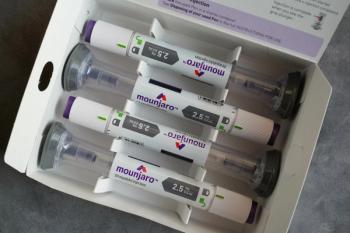
Patients who remained on treatment, especially at higher doses or on tirzepatide, were more likely to achieve clinically meaningful weight loss and improved glycemic control.

Adolescents face significant barriers to obesity medication access, despite a surge in prescriptions. Discover the disparities and potential solutions in obesity care.

To truly shift the landscape in obesity care, explains Jaime Almandoz, MD, MBA, UT Southwestern, care models and policies must also consider quality of life and total health outcomes.

Explore the evolving landscape of glucagon-like peptide-1 receptor agonists (GLP-1 RAs) for obesity, highlighting access challenges and payer coverage trends affecting treatment options.

Evernorth has capped antiobesity drug monthly co-pays at $200 in a move to improve access and affordability amid new drug pricing initiatives.
While the US leads in early-phase obesity trials and investment, the country also faces challenges in disease burden, trial saturation, access, and long-term care distinct from other parts of the world.