ASH 2024 Insights: Optimizing Bispecific Antibody Therapy in Relapsed/Refractory Multiple Myeloma
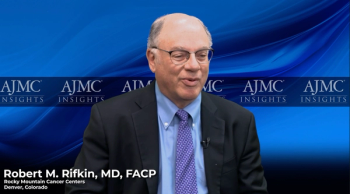
Robert M. Rifkin, MD, FACP, discusses how findings from real-world studies on teclistamab and talquetamab presented at the 66th American Society of Hematology Annual Meeting and Exposition reinforce their efficacy and impact on patient outcomes in relapsed/refractory multiple myeloma while panelists discuss how clinicians should prioritize factors such as patient characteristics and treatment history when selecting the most appropriate bispecific therapy for these patients.
Robert M. Rifkin, MD, FACP, discusses how the MagnetisMM-3 update at the 66th American Society of Hematology Annual Meeting and Exposition sheds light on elranatamab’s role in relapsed/refractory multiple myeloma while panelists discuss how emerging data on bispecific antibodies and combination strategies could shape treatment timing and improve outcomes, especially in heavily pretreated patients.
Amrita Krishnan, MD, discusses how data from ASH 2024 highlight the critical role of intravenous immunoglobulin (IVIG) treatment in preventing infections in patients receiving teclistamab, shares her approach to incorporating IVIG into clinical practice, and outlines additional strategies for reducing infection risk and managing cytokine release syndrome (CRS) in patients on bispecific antibody therapies for multiple myeloma.
Amrita Krishnan, MD, discusses how an ASH 2024 abstract from Sylvester Comprehensive Cancer Center suggests the potential of tocilizumab prophylaxis to mitigate cytokine release syndrome (CRS) in patients treated with bispecific therapies for multiple myeloma, and shares her approach to managing unique toxicities such as nail changes, skin reactions, and oral complications in patients receiving talquetamab.
Jeffrey V. Matous, MD, discusses how primary barriers to the widespread use of bispecific antibody therapies in community practices can be addressed through innovative care models, while reflecting on key insights from ASH 2024 abstracts that could guide broader adoption of these therapies in community settings.
Jeffrey V. Matous, MD, discusses how telehealth and remote monitoring can enhance the safe administration of bispecific antibody therapies in community settings, especially for rural or underserved populations, while emphasizing the importance of communication and collaboration between academic and community practices to improve delivery and coordination of care.
Jeffrey V. Matous, MD, discusses how best practices in transitioning care between academic and community centers can enhance patient outcomes when receiving bispecific antibodies, and the critical role managed care organizations play in facilitating cost-effective integration of these therapies into community settings through optimized partnerships.
