
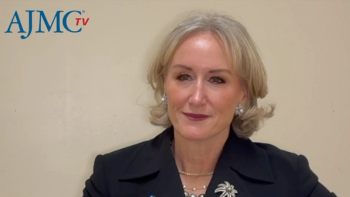
Patient–physician collaboration ensures trials reflect outcomes that matter to patients, according to Debra Patt, MD, PhD, MBA, MPH.
Patient–physician collaboration ensures trials reflect outcomes that matter to patients, according to Debra Patt, MD, PhD, MBA, MPH.

Risk-based vaccination strategies and clinical pathway integration could improve coverage and strengthen future influenza preparedness, according to Marco del Riccio, MD.

Roy Mathew, MD, discusses integrating nephrology and cardiology to bridge the gap in patient adherence and care delivery.

Social determinants of health influence heart failure and arrhythmia risk in HCM, highlighting the need for more holistic, equitable risk stratification.

Dani Castillo, MD, sheds light on the evolving landscape of first-line therapy in advanced gastric cancer.

Yara Abdou, MD, emphasizes that addressing fertility, survivorship, and quality of life is key to improving outcomes for young patients with breast cancer.

Michael David Chuong, MD, discusses how SBRT has become a leading option for treating patients with colorectal liver metastases.

Yuman Fong, MD, discusses the evolution of colorectal liver metastases management from historical neglect to multimodal approaches.

Although influenza vaccine uptake remains low, improving access, recommendations, and trust may help close coverage gaps.

Elena Elimova, MD, shares efficacy data for zanidatamab in patients with HER2-positive gastroesophageal adenocarcinoma from HERIZON-GEA-01.

Multidisciplinary care helps manage cardiac risks in breast cancer, allowing patients to continue treatment safely, says Eric H. Yang, MD.

Delays in breast cancer diagnosis and treatment highlight the need for improved human capital investment in health care systems, explains Adam Brufsky, MD, PhD.

Enrique Velazquez Villarreal, MD, PhD, MPH, MS, reveals how AI is being used to identify early-onset CRC and enhance precision oncology.
Flu vaccination in older adults may prevent hospitalizations and cardiovascular events, saving lives and reducing health care costs, according to Marco del Riccio, MD.

Genetic and metabolic differences may increase aggressive early breast cancer risk in Latin American women with obesity, notes William Audeh, MD, MS.

Smart pill bottles may boost adherence to oral breast cancer therapies through daily reminders and tracking, though cost and technology barriers remain, says Steven Manobianco, MD.

The most pressing questions in ITP involve finding a cure and developing treatments safe for use during pregnancy.

Multidisciplinary care enhances kidney health and cardiovascular outcomes, but more research into models is needed, said Roy Mathew, MD.
Population demographics and prevention efforts are key drivers of influenza burden, according to Marco del Riccio, MD.

Peter Voorhees, MD, emphasizes the importance of carefully determined early regimens for smoldering myeloma and involving patients in treatment decisions.
Rilzabrutinib (Wayrilz; Sanofi), a BTK inhibitor, targets immune-mediated platelet destruction in immune thrombocytopenia (ITP) and has demonstrated a favorable safety profile.

Amrita Basu, PhD, says AI can transform health care by streamlining data, enhancing decision-making, and unlocking insights to improve patient outcomes.

Danielle Roman, PharmD, BCOP, explains why a collaborative, team-based approach is essential to solving resource challenges in community cancer care.
Eric H. Yang, MD, emphasizes the need for collaboration and interventions to protect patients’ hearts during breast cancer treatment.

Molecular ESR1 changes may signal symptomatic progression before imaging in metastatic breast cancer, supporting camizestrant for improved quality of life.
New therapies and individualized care plans for menopausal women highlighted the most-read 2025 SABCS coverage.

Jonathan Strober, MD, discusses promising results from the VIBRANCE-MG trial, highlighting nipocalimab's safety and efficacy for pediatric myasthenia gravis.
This year's most-watched video evaluated how President Donald Trump's rescission of several Biden-era executive orders may impact Medicaid and Medicare initiatives.
Angela Liu, PhD, MPH, speaks about her study that examined mental health care use by Medicare beneficiaries before and after switching from MA to TM.

Explore how patient experience data shapes regulatory drug decisions, enhancing the patient-focused drug development initiative for better treatment outcomes.