

Experts at the 2026 AAD Annual Meeting noted that, together, PCP support, community outreach, and teledermatology help reduce care gaps.
Experts at the 2026 AAD Annual Meeting noted that, together, PCP support, community outreach, and teledermatology help reduce care gaps.

Linda Stein Gold, MD, shares efficacy and safety findings from the ICONIC-ADVANCE studies in moderate to severe psoriasis.
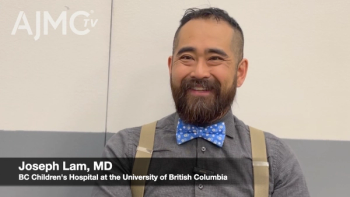
Clinicians need to adjust their diagnostic lens and counseling strategies in patients with skin of color, explained Joseph Lam, MD.

Experts at the 2026 AAD Annual Meeting explained that teledermatology helps dermatologists manage their workload and expand patient access beyond traditional in-person care.

James Song, MD, discusses the direction teledermatology is heading and how more inclusive clinical trials can improve outcomes for patients of color.
Linda Stein Gold, MD, shares recent findings from the pooled phase 3 analysis of the ADORING 1 and ADORING 2 trials for atopic dermatitis.

Ruxolitinib cream can meaningfully improve skin repigmentation and QOL for patients with vitiligo, but its full benefit depends on improved patient education, guidance, and support for consistent, long-term use.

This year's meeting in Denver, Colorado, features more than 275 sessions, including 40 new offerings, and a fireside chat with EGOT winner John Legend.

Expert insights reveal how to spot inflammation in deeply pigmented skin and use new biologics and melasma therapies to reduce dyspigmentation.

Maria Hordinsky, MD, discusses the promise of Janus kinase (JAK) inhibitors in treating alopecia areata in the long term.
Maria Hordinsky, MD, discusses exciting results in alopecia areata, including some discussed at the Winter Clinical Dermatology Conference.
James Song, MD, previews new oral therapies and guidelines psoriasis, atopic dermatitis, and chronic spontaneous urticaria.

AI could reduce administrative burden, improve diagnosis, and streamline prior authorization—but it could also fuel care cascades, upcoding, and unsustainable spending.

Experts discussed how systemic changes need to be made to help improve preventive care access, which in turn can improve outcomes.

Accountable care experts say the future of value in Medicare will rely on scaling up innovation, emphasizing downstream prevention, and staying alert to waste.

Peter Staley at CROI 2026 on defending 45 years of HIV progress: how clinicians, payers, and advocates can resist—quietly or publicly—and why it matters.

The 2026 V-BID Summit showcases strategies to make health care more affordable, equitable, and outcomes-driven.
Clinicians must consider patient comorbidities and therapy safety when selecting immunotherapy for cSCC, says Todd Schlesinger, MD.

A deeper understanding of vitiligo's autoimmune mechanisms has fundamentally transformed vitiligo care, explains Susan Taylor, MD.

Elona Toska, MSc, DPhil, explores drivers of HIV in pregnant women and young mothers: biology, relationships, and postpartum treatment drop-off.
Immunotherapies are transforming treatment and improving outcomes for patients with advanced cSCC, according to Todd Schlesinger, MD.
From innovative therapies to global care strategies, HIV experts at CROI 2026 share the breakthroughs and lessons they hope every viewer, near or far, takes home.

A Winter Clinical Miami poster highlights intralesional cemiplimab for early CSCC, showing rapid responses and positive safety vs surgery.

While clinicians prioritize rapid regrowth, patients with alopecia areata prioritize safety and shared decision-making.

Phase 3 data show povorcitinib delivers rapid lesion clearance in HS, improves quality of life outcomes, and offers favorable safety through 24 weeks.

Real-world evidence shows Pluvicto matches pivotal trial benefits in PSMA-positive mCRPC, with longer PFS after an androgen receptor pathway inhibitor.
The Conference on Retroviruses and Opportunistic Infections 2026 included breakthrough research and looked toward the future of HIV.

The data in these posters address a central clinical question: can a topical JAK1/JAK2 inhibitor deliver robust efficacy while maintaining a reassuring safety profile?

Philip Mease, MD, shares how to individualize psoriatic disease treatment by weighing medication safety profiles, efficacy, and real-world lifestyle factors.
Elona Toska, MSc, DPhil, explores drivers of HIV in pregnant women and young mothers: biology, relationships, and postpartum treatment drop-off.