
Nicole Rosendale, MD, assistant professor of neurology at the University of California San Francisco, neurologist/neurohospitalist, discusses how many unknowns prevail in data concerning neurologic care for LGBTQ+ individuals.
Nicole Rosendale, MD, assistant professor of neurology at the University of California San Francisco, neurologist/neurohospitalist, discusses how many unknowns prevail in data concerning neurologic care for LGBTQ+ individuals.

Terminology and concepts relevant to the care of transgender and gender-diverse individuals and best practices for optimizing neurologic care in this patient population were covered in the session “Neurologic Conditions in Transgender Patients” on Sunday, April 23, at the American Academy of Neurology annual meeting.
Judy Alberto, MHA, RPh, BCOP, director of clinical initiatives at the Community Oncology Alliance, discusses the importance of making sure oncology practices are educated about their value-based enterprise exception when mailing patients their cancer medications.
Debra Patt, MD, PhD, MBA, executive vice president at Texas Oncology, explains the small potential risk of breast cancer associated with hormonal birth control.

Natalia Rost, MD, MPH, FAAN, FAHA, chief of the stroke division at Massachusetts General Hospital and chair of the American Academy of Neurology (AAN) Science Committee, previews the annual meeting and provides a glimpse into what the conference has to offer and its legacy of 75 years.

David Spencer, MD, director of the Comprehensive Epilepsy Center and professor of neurology at Oregon Health and Science University, previews the American Academy of Neurology (AAN) annual meeting for 2023 and says that attendees can expect not only to learn but also to leave feeling humbled and inspired.

The annual meeting of the American Academy of Neurology (AAN) will take place April 22-27 in Boston, presenting in a hybrid format a schedule packed with continuing medical education sessions, poster presentations, and cutting-edge science.
Shiela Plasencia, director of practice support at the Community Oncology Alliance, discusses the benefits of collecting social determinants of health data for both the patient and provider.
The April 2 plenary session at the National Comprehensive Cancer Network (NCCN) 2023 Annual Conference, entitled, “Sleep Disorders, Fatigue, and Cognitive Function in Cancer Survivors" reviewed guidelines for handling symptoms that are increasingly common as the survivorship ranks grow.
Amy Valley, vice president for clinical strategy and technology solutions at Cardinal Health, weighs both the benefits and potential risks of physicians using artificial intelligence technology in their oncology practices.
An April 1 session at the 2023 National Comprehensive Cancer Network (NCCN) on updates in CLL/SLL featured results on the ALPINE study, which led to the January 2023 approval of zanubrutinib in the frontline setting.

Kathy Oubre, MS, CEO of Pontchartrain Cancer Center, discusses the use of biosimilars and how pharmacy benefit managers (PBMs) as well as payers have challenged the biosimilar market.
Debra Patt, MD, PhD, MBA, executive vice president at Texas Oncology, discusses her recent testimony to the US Senate on a case in which prior authorization caused a 6-week wait for a consult.
As much as immuno-oncology has been a leap forward, the ability to address immune-related adverse events is critical to making these therapies available in settings beyond academic centers; thus, the National Comprehensive Cancer Network offers clinical guidelines for management of toxicities.
Nicolas Ferreyros, managing director at Community Oncology Alliance (COA), discusses the recent Senate commerce hearing on pharmacy benefit managers (PBMs), which brought bipartisan attention and energy towards addressing the concerns related to PBMs in Washington.

Biomarker testing is a key tool in lung cancer treatment, and Kentucky recently passed a law requiring payers to cover biomarker tests with the intention to address high rates of lung cancer in the state.
Natalie S. Callander, MD, director of the University of Wisconsin Carbone Cancer Center Myeloma Clinical Program, reviewed the treatment landscape at the National Comprehensive Cancer Network (NCCN) 2023 Annual Conference.

Mike Lattanzi, MD, genitourinary medical oncologist, Texas Oncology, discusses recent findings from studies he participated in on targeted therapies for muscle-invasive bladder cancer.

Kathy Oubre, MS, CEO of Pontchartrain Cancer Center, discusses patient advocacy and legislative issues that will continue to define the future of community oncology.

The keynote session highlighted trends in COVID-19 and other respiratory illness rates, a bounce back in health care utilization, biosimilar market trends, new product launches, and more.
Davey B. Daniel, MD, chief medical officer at OneOncology, shares his insights on health equity practices, as well as the importance of developing clinical models within community oncology.

Debra Patt, MD, PhD, MBA, executive vice president at Texas Oncology, discusses financial drivers affecting community oncology as well as new advances within cancer care that allow it to be treated as a chronic disease.

Representatives from Magellan Rx Management provided a detailed overview of current treatment options in ophthalmology and the impact that biosimilars could have during a session at AMCP 2023.
A panel at the Community Oncology Alliance (COA) 2023 Community Oncology Conference highlights the evolution of taking on risk, developing stratification models, and collaborating to learn from fellow providers.
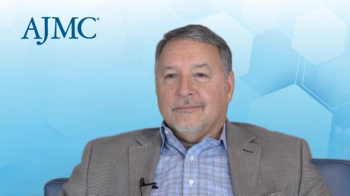
Michael Burger, senior consultant at Point-of-Care Partners, explains that real-time benefit check lets physicians know how much a drug will cost the patient at the time they're writing the prescription, allowing them to give the patient a treatment they know they can afford.

In this AMCP Market Insights session, panelists discussed best practices and challenges when it comes to prescribing antibody drug conjugates, from the payer, provider, and patient perspectives, based on survey findings.

Among these treatments is an aflibercept product with improved dosing for the patient that is coming up for approval in a few months, explained Jeffrey Casberg, senior director of pharmacy at IPD Analytics.
Capitol Hill experts taking part in the Community Oncology Alliance's (COA) Community Oncology Conference said Friday that bipartisan awareness of pharmacy benefit manager (PBM) practices has reached a point that they believe Congress may finally act, if only to require greater transparency.

Panelists at the Value-Based Insurance Design Summit discussed research and reforms to address the high cost of medications and the impact it has on equitable access to treatment.

The lower number needed to treat suggests that ruxolitinib cream may be more effective for patients with atopic dermatitis (AD), according to a poster presented at AMCP 2023.