

Artificial intelligence (AI) is expanding clinical trial access and enabling drug repurposing, according to Vivek Subbiah, MD.
Artificial intelligence (AI) is expanding clinical trial access and enabling drug repurposing, according to Vivek Subbiah, MD.

Empathy and communication strengthen patient-provider relationships and improve respiratory care outcomes, as discussed at the European Respiratory Society (ERS) Congress.

Scott Soefje, PharmD, MBA, BCOP, discusses how remote patient monitoring and caregiver support enable safe outpatient delivery of bispecific antibodies and antibody-drug conjugates.
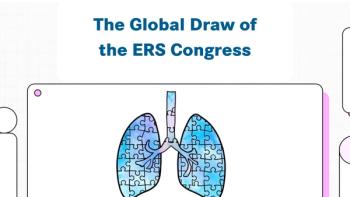
The European Respiratory Society (ERS) Congress fosters collaboration among global experts, advancing respiratory health and promoting equality in medicine.

FDA approvals since the last Skin of Color Update expand topical and biologic options for various dermatological conditions, benefiting patients with skin of color.

Stronger partnerships between primary care and oncology improve patient outcomes by ensuring coordinated care and addressing financial and systemic barriers, says Mark Fendrick, MD.

Reducing data silos and boosting transparency in oncology requires payer-provider trust and co-governance, according to Vishnukamal Golla, MD, MPH.

Five experts share their key takeaways from Patient-Centered Oncology Care® (PCOC) 2025, highlighting AI integration and collaboration to improve care.

Although overall costs have not declined with the Oncology Care Model (OCM), supportive care costs have decreased through greater use of cost-effective therapies.
Vivek Subbiah, MD, considers artificial intelligence (AI) and comprehensive somatic and germline testing essential for guiding precision oncology and improving patient care.

Primary aldosteronism is often overlooked in hypertension. Educating providers and utilizing tools can enhance screening and treatment effectiveness, emphasizes Vivek Bhalla, MD, Stanford.
Oncology pharmacists now work alongside providers to improve efficiency, patient education, and treatment outcomes, according to Scott Soefje, PharmD, MBA, BCOP.

Oncology care requires teamwork, support services, and careful planning to ensure effective, affordable, and patient-focused treatment, according to Brian Mulherin, MD.

Social inequalities significantly impact COPD and PH outcomes, highlighting the need for systemic health care solutions, emphasizes Lucilla Piccari, MD, PhD, Hospital del Mar.

Cardiopulmonary risk is high and persistent across the entire COPD disease course, making early recognition and integrated care crucial.

Research reveals strong connections between muscle strength and cognitive function in patients with COPD, highlighting the potential for rehabilitation strategies.

Research exploring protective mechanical ventilation strategies for acute respiratory distress syndrome was presented at the ERS Congress by Luca Menga, MD, University of Toronto.

At the European Respiratory Society Congress, experts explored the critical connections between climate change, respiratory health, and health equity, highlighting the importance of integrated solutions, local action, and education.

Experts at the ERS Congress 2025 highlighted threats to scientific integrity from misinformation, political interference, and predatory publishing in health research.
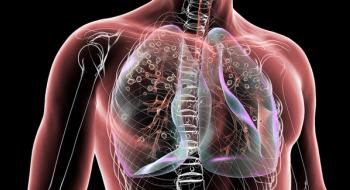
Experts at European Respiratory Society (ERS) Congress 2025 highlight the critical link between reduced lung function and increased cardiovascular disease risk, urging early intervention and awareness.

Michaela Nuttal, MS, explores the complex culture of smoking among nurses, highlighting challenges and motivations for quitting within health care settings.

Nerandomilast for idiopathic pulmonary fibrosis potentially improves survival and slows disease progression, explains Justin Oldham, MD, PhD, MS, FIBRONEER steering committee member.

There are clear benefits to starting biologic therapy earlier for severe asthma, as well as initiation patterns by ethnicity, according to data at ERS Congress 2025.

Expanding community-based cancer services brings advanced treatments closer to home and addresses social determinants of health, says Kathy Oubre, MS.

Digital health technologies enhance respiratory care through decentralized clinical trials and home monitoring, expanding access and improving patient engagement.

Davey Daniel, MD, shares strategies to prevent bias in artificial intelligence (AI) and outlining future opportunities for its adoption in precision oncology.

Christopher Carlin, MBChB, PhD, explores the potential of AI-driven insights to enhance COPD care and identify candidates for biologic therapy.

Research reveals that a high-fruit diet may protect women's lung function from air pollution, according to Pimpika Kaewsri, MSc.

Experts debate e-cigarettes' role in smoking cessation and public health at ERS Congress 2025, weighing benefits against potential risks and regulatory needs.

Integrating these care services can enhance patient QOL and address unmet needs in serious respiratory illnesses, explains Natasha Smallwood, BMedSci, MBBS, MSc, Monash University.

259 Prospect Plains Rd, Bldg H
Cranbury, NJ 08512
© 2025 MJH Life Sciences®
All rights reserved.