
Researchers conducted an analysis of 4 phase 3 trials, covering 2751 patients, to address the potential for targeted agents in younger and physically fit patients who have chronic lymphocytic leukemia (CLL).
Researchers conducted an analysis of 4 phase 3 trials, covering 2751 patients, to address the potential for targeted agents in younger and physically fit patients who have chronic lymphocytic leukemia (CLL).

Screening for cognitive impairment among patients with systemic lupus erythematosus (SLE) can be challenging; however, some shorter assessments have shown promise for use in the clinical setting.

COVID-19 likely does not increase the risk of asthma development in pediatric patients, research suggests.

There was greater use of neoadjuvant chemotherapy among US patients with ovarian cancer (OC) during the COVID-19 pandemic to reduce potential COVID-19 exposure and cancer treatment-related complications.

Experts explain how new diabetes technologies like continuous glucose monitors are transforming care beyond intensive insulin therapy, offering personalized insights and improving outcomes for patients of all treatment levels.

The connection was primarily established between type 1 diabetes (T1D) and the eating disorders bulimia and binge eating, with female patients with T1D at higher risk of insulin misuse as a result.

A new study is among the largest real-world analyses to date to assess trends over time and predictive factors for older patients with acute myeloid leukemia (AML) who received allogeneic hematopoietic cell transplantation (allo-HCT).

Sarah Bajorek, PharmD, MBA, BCACP, University of California, Davis Health, discusses notable gene therapies emerging into the market and strategies to proactively engage with a wide range of stakeholders during the integration of a new gene therapy.

The Biden administration recently launched the Global Health Security Strategy, a new effort to combat the spread of infectious diseases; lawmakers zeroed in on the risks of massive consolidation in health care during the first congressional hearing on the Change Healthcare hack; the FDA recently announced the recall of a pair of heart devices linked to numerous deaths and injuries.

The data for this analysis on survivors of lung cancer came from Johns Hopkins Sidney Kimmel Comprehensive Cancer Center thoracic oncology clinics.

Patients who responded positively to shunt treatment experienced more beneficial changes in their heart's structure and function compared with nonresponders.

A survey study found a strong association between severe alopecia areata (AA) and significant impairments in quality of life and mental wellbeing, highlighting the need for comprehensive treatment addressing both physical and emotional aspects of the disease.

Presenters explored the real-world evidence in support of biosimilars at the Academy of Managed Care Pharmacy 2024 annual meeting.

In this interview from our coverage of the 2024 Community Oncology Conference, Shawn Tuma, JD, CIPP/US, Spencer Fane LLP, discusses how he helps clients reduce their cyber risk and be better prepared for breaches when they occur.

While health plans often employ reimbursement rates as a tool to incentivize provider participation within their networks, study results showed reimbursement rates for office visits with medical/surgical clinicians were on average 22% higher than behavioral health clinicians.

Patients with atopic dermatitis (AD) may have an increased risk of headache disorder and migraines.

Screening completion increased when using sequential automated and personalized strategies for colorectal cancer (CRC) in different demographic groups.

Large insurance sales agency call centers are accused of enrolling individuals in plans without consent; more young adults are choosing permanent contraception procedures; widespread frustration with prior authorization requirements hints at potential future measures.

Poor mental health was worse in adults with strabismus compared with adults without strabismus.

The therapy bridges activated factors IX and X to mimic the function of missing or deficient factor VIII.

To help celebrate and recognize National Minority Health Month, we are bringing you a special month-long podcast series with our Strategic Alliance Partner, UPMC Health Plan. Welcome to our second episode, in which we learn all about Freedom House 2.0 and the Pathways to Work program.

As provider and payer organizations pursue the Quadruple Aim, it is important that they take into account not just the contracting but also the transformation in staffing, clinical workflows, and culture as these organizations evolve.

A new survey has found that most patients who have generalized myasthenia gravis who switched from eculizumab to ravulizumab preferred the latter.

Kevin Malloy, PharmD, BCPS, BC-ADM, CDCES, Cleveland Clinic, discusses how GLP-1 receptor agonists have evolved in the treatment landscape of diabetes and obesity at an Institute for Value-Based Medicine® event hosted in conjunction with Cleveland Clinic.
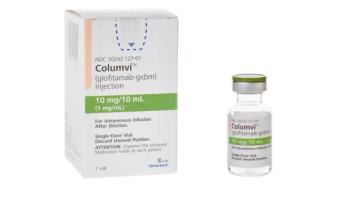
Results show the bispecific antibody is effective in an earlier line of treatment.

The risk for incident autoimmune inflammatory rheumatic disease (AIRD) was greater among patients with a history of COVID-19 infection.

Michael Farwell, MD, associate professor of radiology at the Hospital of the University of Pennsylvania, provides insights into a study on the benefits of using 18F-fluorodeoxyglucose (FDG) PET/CT imaging to detect metabolic tumor changes in skin cancer.

In a registry-based analysis, more hospitalized children with SCD and COVID-19 had severe infection requiring supplemental oxygen, compared with the general population.

Investigators say oral formulations of hypomethylating agents could be a significant advancement for people with myelodysplastic syndromes and acute myeloid leukemia.
The University of Utah Drug Information Service reports an unprecedented rise in shortages; cultural ethos and modern pressures contribute to sleep deprivation across the nation; rising death rates underscore the urgent need for expanded access to prevention and treatment measures

259 Prospect Plains Rd, Bldg H
Cranbury, NJ 08512
© 2025 MJH Life Sciences®
All rights reserved.