

Two top cardiologists debated evidence involving one clinical trial for omega-3 fatty acids, with implications for another, the REDUCE-IT study for icosapent ethyl (Vascepa).
Two top cardiologists debated evidence involving one clinical trial for omega-3 fatty acids, with implications for another, the REDUCE-IT study for icosapent ethyl (Vascepa).

Genome-wide association studies are building the potential for precision medicine for children with respiratory diseases, but the progress also comes with challenges related to cost and issues with early screening, according to speakers at the ATS 2021 International Conference.

Anthony Fauci, MD, told attendees at the ATS 2021 International Conference that the real-world evidence of vaccines against SARS-CoV-2, the virus that causes COVID-19, is even better than expected.

Heart failure is clearly syndromic, with several phenotypes, so it will remain challenging to reconcile patient to therapy until these unique phenotypes can be studied, stated Clyde W. Yancy, MD, MSc, of Northwestern University’s Feinberg School of Medicine.

The study looked at dapagliflozin's benefits in the acute illness setting, specifically organ protection, according to Mikhail N. Kosiborod, MD, vice president of Research at Saint Luke's Health System.

The Dapagliflozin in Respiratory Failure in Patients With COVID-19 trial is the first phase 3 study to examine whether this SGLT2 inhibitor, which has proven effective for multiple chronic conditions, might be similarly useful in an acute setting.

Hospitalized infants with the rare metabolic disorder maple syrup urine disease (MSUD), who are intolerant to oral or enteral administration of branched-chain amino acid-free formula, may benefit from an intravenous formulation.
A pediatric infectious disease expert reviewed some developments in the vaccine development pipeline, especially new efforts targeting infant health through maternal immunizations.

Patients with hypertrophic cardiomyopathy (HCM) had symptomatic, functional, and structural biomarker changes over the course of a little more than 6 months, explained Jay Edelberg, MD, PhD, head of Heart Failure and Cardiomyopathy Development at Bristol Myers Squibb.

ADAPTABLE was an opportunity to accomplish a large-scale study in a generalizable manner: directly involve patients, partner with them, and cocreate the program, noted Schuyler Jones, MD, associate professor of medicine at Duke University.

The investigational drug for obstructive hypertrophic cardiomyopathy is in front of FDA, with an approval target date of January 28, 2022.

Using data from 2 independent cohorts, researchers identified a potential molecular biomarker for progressive multiple sclerosis (MS).

New research is helping to move the field forward for diffuse large B-cell lymphoma (DLBCL).

Farrah Kheradmand, MD, gives an overview of her research on the mechanisms of vaping-associated lung injuries.

Updates from 2 recent medical meetings about links between the gut, psoriasis, and other skin disease, as well as the risk of COVID-19.

An overview of the latest news in Parkinson disease reported across MJH Life Sciences™.

Results presented at the American College of Cardiology's 70th Scientific Session show most patients prefer a smaller dose and are more likely to stick with it.

Rates of acute heart failure (AHF) have recently been rapidly increasing among elderly and super-elderly patients in Japan, and this study investigated rates of all-cause death and mode of death among this patient population.

The researchers undertook the study on diabetes in patients with stroke amid evidence of mortality and hospitalization for some cardiovascular complications declining.

Highlighting the latest ophthalmology-related news reported across MJH Life Sciences™.

Despite expanded use of precision medicine, there remain a myriad of barriers hindering its implementation in day-to-day practice.

Ankylosing spondylitis (AS) patients face a greater risk of mortality, but treatment with tumor necrosis factor inhibitors erases it.
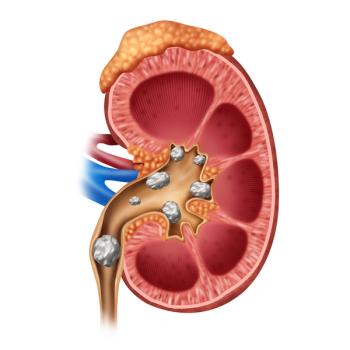
Sodium-glucose transporter 2 (SGLT2) inhibitors decrease the risk of acute kidney injury and severe hypoglycemia for those with diabetes, heart failure, and chronic kidney disease (CKD) but increase the risk of diabetic ketoacidosis.

Psoriasis may be associated with an increased prevalence of type 1 diabetes (T1D).

A poster presentation highlighted the impact that payer preferences could have on biosimilar utilization and the potential savings that could be generated if payers decide to take advantage.

Lou Garrison, PhD, professor emeritus in the Department of Pharmacy, University of Washington, previews the layout of the virtual 2021 ISPOR annual conference and the myriad of upcoming discussions.

Fernando Holguin, MD, explains the mechanisms that account for increased risk of pulmonary disease among individuals with metabolic syndrome.

When patients had the option of using prescription digital therapeutics, their insurers and employers saved significant money in both direct and indirect medical costs, the 2 studies found.

Panelists of a session at the Pharmacy Quality Alliance 2021 Annual Meeting explore how shared decision-making and patient decision aids can promote appropriate care and treatment adherence, as well as lower cost and utilization of health care services.

Coverage of our peer-reviewed research and news reporting in the health care and mainstream press.

259 Prospect Plains Rd, Bldg H
Cranbury, NJ 08512
© 2025 MJH Life Sciences®
All rights reserved.