

Moving from a comfortable place to one with new paths, new experiences, and new goals is both challenging and invigorating at the same time. Good fortune is when you choose to change because the future belongs to those who adapt.
Moving from a comfortable place to one with new paths, new experiences, and new goals is both challenging and invigorating at the same time. Good fortune is when you choose to change because the future belongs to those who adapt.

Breast cancer risk estimation models identify women who are at high risk based on a variety of factors, and women who are identified as being at high risk may be able to reduce their chance of breast cancer through preventative measures such as prophylactic surgeries or chemoprevention medications. However, uptake of these preventative treatments varies among racial groups, new research from The Ohio State University finds that racial disparities in healthcare are to blame.
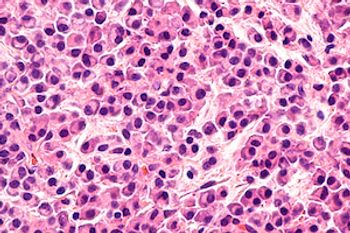
There is a lack in correlation between circulating tumor DNA (ctDNA) and bone marrow for minimal residual disease (MRD) by next generation sequencing (NGS) using immunoglobulin genes in patients with multiple myeloma, according to results of a recent study.

Researchers from the National Institutes of Health (NIH)’s National Institute of Allergy and Infectious Diseases reviewed clinical trials and cohort studies validating the concept that people living with HIV who have achieved viral suppression can not sexually transmit HIV.

Hundreds of furloughed FDA employees are resuming work on some food and drug inspections during the shutdown; Walmart is leaving CVS Caremark's pharmacy benefit management (PBM) networks over a pricing dispute; and this year's flu season is shaping up to be more mild than last year's.

Price information about biologics, diabetes, and cancer drugs are among the dozen that the House Committee on Oversight and Reform, led by Rep. Elijah E. Cummings, D-Maryland, is probing.

Patients with cancer who have comorbidities are less likely to have clinical trial discussions, be offered a clinical trial, and participate in a clinical trial, according to a new study.

Keeping patients with diabetes motivated is the most challenging part of exercise, the authors say, as they call for psychologists and counselors to be part of the care team.

The pharmaceutical industry is looking for answers as the government shutdown, if it lasts longer, could threaten decisions on highly anticipated new drugs; a federal judge in Philadelphia issued a nationwide injunction that prevents the Trump administration from blocking women’s access to free birth control guaranteed under the Affordable Care Act; providers are trying to strike a balance between informing their patients about the Trump administration’s proposed “public charge” rule while not causing undue concern about their immigration status.

Providing healthcare professionals with up-to-date guidance for the use of preventive and acute treatments for migraine, the American Headache Society has published a consensus statement outlining indications for initiating, continuing, combining, and switching the treatments.

While depression and diabetes have been linked previously, the study from Hong Kong examined the effects of an early diagnosis of type 2 diabetes on hospitalization over time.

An analysis of HHS’ proposed Medicare Part B drug pricing reform effort finds mixed results, and an accompanying editorial urges the department to proceed carefully.

Researchers said they found a previously unreported pathogenic entity that links chronic inflammation and tissue destruction in the lungs of patients with chronic obstructive pulmonary disease (COPD).

A recent review explores the current understanding of the molecular effects of ruxolitinib and its place in the evolving landscape for the treatment of myeloproliferative neoplasms (MPNs).

The Trump administration is looking to bypass Congress to give block grants to states for Medicaid; US District Judge Haywood Gilliam Jr temporarily blocked a Trump administration rule on contraception, which would have allowed virtually any employer to refuse to cover workers' birth control by citing religious or moral objections; Democratic governors propose new ways to expand healthcare.

Authors noted that because experiments are typically done only on male mice, this brain signaling pathway controlling bone growth had never been discovered.
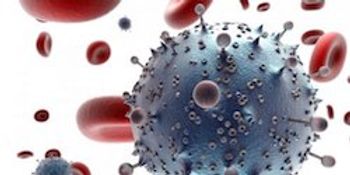
While treatment for HIV has made tremendous strides over the past few decades, many patients with the infection still struggle with comorbidities such as chronic inflammation, diabetes, and cardiovascular problems, among others. In a recent study, researchers at Michigan State University sought to understand why patients with HIV develop such complications.

Patients with progressive, symptomatic, or recurrent desmoid tumors who received sorafenib have significantly improved progression-free survival (PFS) rates at 1 and 2 years compared with patients who received placebo, according to the results of a recent phase 3 trial.

Researchers hypothesized that because coffee and caffeine showed a beneficial effect on daytime tiredness in Parkinson disease, a similar positive effect might be assumed in multiple sclerosis (MS). Investigators compiled a systematic review focused on summarizing the possible effects of coffee and caffeine in MS.

Rather than offer support, physicians often reinforced the women's feeling of not being in control of their decisions, according to a study looking at why obese women are less likely to start or keep breastfeeding.

Maintenance therapy with lenalidomide remains a standard of care for patients with multiple myeloma. However, optimizing maintenance therapy in this setting is required as a result of lenalidomide’s lack of overall survival benefit and improvement in outcomes for patients with high-risk cytogenic abnormalities, according to a recent study.

Five highlights from our coverage of the 37th Annual JP Morgan Healthcare Conference.

The analysis discusses the strength of evidence that SGLT2 inhibitors have a class effect in preventing heart failure for patients with diabetes.

Patients with neutropenia who have multidrug-resistant organisms have better rates of overall survival when receiving granulocyte transfusions within 7 days of neutropenic sepsis.

This week, the top managed care news included the FDA commissioner discussing boosting drug competition; BMS offering details on its acquisition of Celgene; and cancer mortality rates declining for the 25th consecutive year.

Mutual of Omaha has agreed to no longer deny life insurance and long-term insurance to people using Truvada for HIV prevention following allegations of discrimination in 2 separate settlements.

Democratic presidential hopefuls for 2020 are targeting prescription drug prices; a US judge will hear arguments over California's attempt to block new Trump administration rules that would allow more categories of employers, including publicly traded companies, to opt out of providing no-cost birth control to women as required under the Affordable Care Act; Senate Democrats and Republicans are fighting over a proposed rule that would change how individuals are billed for abortion coverage, with both sides sending 2 letters to HHS this week.

Coverage of our peer-reviewed research and news reporting in the healthcare and mainstream press.

One-time curative treatments provide a huge challenge to health systems that were not created with them in mind. Despite having no approved treatments, bluebird bio has proactively released a model to pay for these one-time cures in a way that provides value to patients and the health system.

An analysis of 6 studies found an increased risk of all-cause dementia among patients with any headache. However, no association was found between headache and Alzheimer disease.

259 Prospect Plains Rd, Bldg H
Cranbury, NJ 08512
© 2025 MJH Life Sciences®
All rights reserved.