

Sugammadex (Bridion; Merck) is a small-molecule oligosaccharide, also known as a modified gamma cyclodextin, that was approved by the FDA in 2015 to reverse the anesthesia-induced neuromuscular blockade from rocuronium bromide or vecuronium bromide.
Sugammadex (Bridion; Merck) is a small-molecule oligosaccharide, also known as a modified gamma cyclodextin, that was approved by the FDA in 2015 to reverse the anesthesia-induced neuromuscular blockade from rocuronium bromide or vecuronium bromide.

Kim Newcomer, director of volunteers, Colorectal Cancer Alliance, shares findings from a survey on colorectal cancer care inequities, and how to address these challenges.

Medical media is transforming pediatric gastroenterology and hepatology by boosting networking, research visibility, and education, but best practices are essential for clinical use.

A rituximab and lenalidomide combination for treating non-Hodgkin lymphoma (NHL) could play a greater role in future clinical trials.

Antoine Keller, MD, founded HeartSense with the purpose of uncovering and addressing the cardiovascular needs of rural, often underserved communities.

The FDA approved Ospomyv and Xbryk, denosumab biosimilars that could expand access to treatment for osteoporosis, cancer-related bone loss, and other endocrine diseases.

For this retrospective study, the authors examined data on more than 3 million screening mammographies for more than 1 million female patients; of the screenings, 23.6% had abnormal results and only 6.7% were recommended for biopsy.

On this episode of Managed Care Cast, we speak with the author of a study published in the February 2025 issue of The American Journal of Managed Care® to uncover significant differences in coverage decisions for pharmacogenetic tests across major US health insurers.

Although psoriatic arthritis may be more prevalent in White patients, Rebecca Haberman, MD, of NYU Langone Health, emphasizes that the disease affects those across diverse racial and ethnic backgrounds.

The Center on Health Equity & Access strives to improve health care delivery and outcomes by addressing disparities through education, training, frontline insights, and evidence-based approaches.

Racial and ethnic disparities were identified in immunotherapy receipt for Black patients with metastatic triple-negative breast cancer.

Patient-reported outcomes (PROs) were similar among those treated with tivozanib monotherapy and those given combination tivozanib and nivolumab in for renal cell carcinoma (RCC) in the TiNivo-2 study, according to a poster presented at the American Society of Clinical Oncology Genitourinary Cancers Symposium by Katy Beckermann, MD, PhD.

When added to chemotherapy, researchers found no significant difference in overall or progression-free survival between PD-1 and PD-L1 inhibitors.

Higher calcium intake was associated with reduced colorectal cancer risk across tumor sites and calcium sources, according to one study.

In this final interview clip, Michael A. Bernstein, MD, stresses the need for effective communication and proactive screening to contain the ongoing tuberculosis (TB) outbreak in Kansas City.

The lead investigator for EV-302 said not long ago, survival of 12 to 14 months in this type of bladder cancer was considered an achievement; in this study, median overall survival was 34 months after treatment with enfortumab vedotin (EV) and pembrolizumab (pembro).
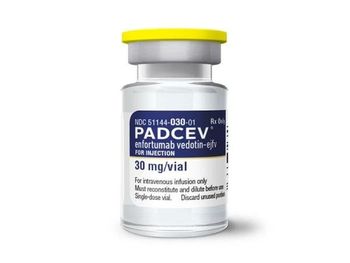
City of Hope's Salvador Jaime-Casas, MD, discusses a systematic review of recent trials examining objective response rate and adverse events of antibody-drug conjugate (ADC) combinations in advanced urothelial cancer.

Less than half of patients had undergone bone monitoring, suggesting a need for better clinical guidance and management of osteoporosis in adult men with Duchenne muscular dystrophy (DMD).

Aditya Bardia, MD, MPH, FASCO, medical oncologist, UCLA Health, discusses findings from the TROPION-Breast01 study on datapotamab deruxtecan for patients with HR-positive/HER2-negative breast cancer.

Service utilization is the biggest factor behind spending variation, with prices, disease prevalence, and demographics playing smaller roles.

Cell and gene therapies can be life-changing for patients with certain conditions, but the process of receiving them poses barriers for patients and caregivers that require multistakeholder solutions, according to a white paper from the National Pharmaceutical Council.

The American Cancer Society's chief scientific officer outlines the group's research agenda, including a new project in prostate cancer.

Quality of life, treatment impact and duration, and the importance of individualized therapy are at the center of international research on androgen deprivation therapy (ADT) for prostate cancer presented at this year’s American Society of Clinical Oncology Genitourinary Cancers Symposium.

To maintain a healthy heart, researchers say people should focus on diet and exercise, limit alcohol, manage stress, get enough sleep, and more.

A positive association was found between osteoarthritis and overactive bladder (OAB), but rheumatoid arthritis and psoriatic arthritis were not significantly correlated with the condition.
New 2-year data show the long-term effects of bimekizumab on hidradenitis suppurativa, indicating its potential as a valuable treatment option for patients.

Patients with progressive pulmonary fibrosis who received nerandomilast showed improved forced vital capacity from baseline at 52 weeks in the phase 3 FIBRONEER-ILD trial.

The large UK Biobank study finds depression a significant risk predictor for developing chronic conditions such as osteoarthritis, hypertension, and gastro-oesophageal reflux disease.

Roflumilast demonstrated effectiveness and safety in treating psoriasis, with added benefits for patients with comorbidities.

Health systems are facing hurdles to implementing new and effective metastatic urothelial carcinoma (mUC) therapies into practice due to high costs and a lack of targeted initiatives to aid health care providers with integration.

259 Prospect Plains Rd, Bldg H
Cranbury, NJ 08512
© 2025 MJH Life Sciences®
All rights reserved.