

While comprehensive genetic profiling has the potential to change the course of certain patients’ cancers, a recent survey found that patients often have difficulty understanding results and their implications.
While comprehensive genetic profiling has the potential to change the course of certain patients’ cancers, a recent survey found that patients often have difficulty understanding results and their implications.

Most of the children readmitted to hospitals for asthma in Australia were preschool aged.

Frequent users of an app designed to support HIV pre-exposure prophylaxis (PrEP) adherence had higher adherence rates than individuals who used the app infrequently or not at all.

A new review notes advances and remaining questions, and calls for better incorporation of data from veterans.

The tool could help clinicians better screen patients for adjuvant chemotherapy following curative resection for intrahepatic cholangiocarcinoma (ICC).

Although technology is allowing for earlier detection of eye conditions, lack of reimbursement and insurance coverage remain major barriers to widespread use, explained speakers at the American Society of Retina Specialists 40th Annual Scientific Meeting.

A systematic review found that there was a bidirectional relationship between glaucoma and chronic kidney disease (CKD), especially in participants of East Asian descent.

A new review article outlines current agreements and disagreements between association guidelines, but notes the recommendations are likely to change more in the future.

Every year, the American Society of Retina Specialists releases the results of its latest Preferences and Trends Survey at the annual meeting. This year, the survey highlighted some surprising differences between US and international retina specialists, including off-label medication use and what drives drug choices for patients, said Paul Hahn, MD, vitreoretinal surgeon at NJRetina.

Faster and sectoral central location of ganglion cell complex thinning could be used to determine the risk of vision-related quality of life in patients with glaucoma.

Data show surgery leads to the best outcomes.

Screening for islet autoantibodies at ages 2 and 6 was highly predictive of type 1 diabetes (T1D) onset by age 15.

After struggling for months with a Clostridioides difficile infection, Freda Pyles traveled from her home to rural Pennsylvania to Yale-New Haven Hospital in Connecticut for the therapy that ultimately healed her.

A recent study characterized the known association between corticosteroid exposure and type 2 diabetes (T2D), finding risk to be associated with treatment- and patient-related characteristics that can inform prescription of treatment with steroids.

House Democrats introduced a bill that would guarantee abortion access nationwide; Senator Joe Manchin, D-West Virginia, will not approve a bill that would reduce drug prices due to the energy and climate investments contained within the bill; the new Omicron subvariant of COVID-19 that is dominating the nation is more vaccine resistant.

Coverage of our peer-reviewed research and news reporting in the health care and mainstream press.

The retina space is evolving due to new technology that is changing the way specialists deliver care, whether that means offering the ability to do new procedures in the office or providing more virtual or hybrid care.

During a session at the American Society of Retina Specialists 40th Annual Scientific Meeting, speakers highlighted research into the opportunity cost of vitreoretinal surgery and the impact the pandemic had on retinal procedures and reimbursement in early 2020.

The combination regimen delivered better overall survival and response rates among patients with myelodysplastic syndromes (MDS).

The study of postmenopausal women in Iran found the efficacy of the biosimilar was noninferior to the reference product and the safety was comparable after 18 months.

Anne McCall, PhD, provost and senior vice president for academic affairs at Xavier University of Louisiana, in New Orleans, delves into the new partnership between the university and Takeda.

Additional population-based studies of autoimmune hemolytic anemia and its management are needed to reduce mortality in this patient population.

A late-stage trial of dupilumab in young children showed the biologic induced remission in eosinophilic esophagitis (EoE).

Patrick Burnett, MD, PhD, FAAD, chief medical officer of Arcutis Biotherapeutics, discusses findings of a recent survey exploring the emotional burden of plaque psoriasis and unmet needs related to current topical treatments.

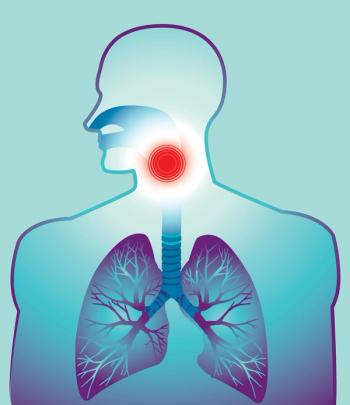
Certain characteristics of chronic obstructive pulmonary disease (COPD), including dysphagia risk factors and peak expiratory flow measures, play a role in lowering patients’ voice-related quality of life, according to a recent study.

New date from the KEYNOTE-716 trial show distant metastasis-free survival benefit from pembrolizumab use in melanoma.
The FDA authorized the Novavax COVID-19 vaccine, providing an alternative to mRNA-based vaccines; HHS guidance urged pharmacies to continue to fill prescriptions for pills used for abortion; the House passed a bill expanding health care benefits for veterans who inhaled toxic fumes on duty.
Panelists in Wednesday’s webinar, “Don’t Skip Her Beat,” addressed gender disparities in heart failure treatment and offered advice for how women can seek the best care.

Conflicting prior study results on the effectiveness of calprotectin expression as a protective or pathologic response among persons with chronic rhinosinusitis with nasal polyps (CRSwNP) spurred this new investigation.