Liquid biopsy and at-home phlebotomy are closing precision medicine access gaps nationwide, though tissue remains the gold standard.
Liquid biopsy and at-home phlebotomy are closing precision medicine access gaps nationwide, though tissue remains the gold standard.
Debra Patt, MD, PhD, MBA, MPH, discusses AI adoption, administrative burden, and strategies to streamline prior authorization in oncology.
This discussion will appear in the August issue of Evidence-Based Oncology.

Experts discussed biomarker testing, novel cancer therapies, multidisciplinary care, and strategies to expand access.

AI-guided breast screening is advancing faster than coverage policy, guidelines, and imaging capacity—raising questions about who qualifies and who pays.
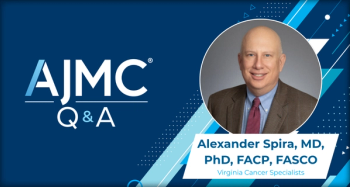
Alexander Spira, MD, PhD, FACP, FASCO, explains why sarcoma treatment lags behind other solid tumors and the access, subtype, and biomarker barriers.
Seven oncology leaders reflect on lasting gains in patient care, cost awareness, and collaboration, and what was lost when CMS walked away.
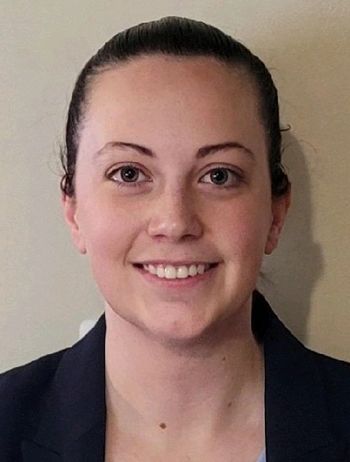
McKesson and The US Oncology Network find EOM attribution often mislabels cancer episodes—especially oral therapy—threatening value-based care accuracy and accountability.
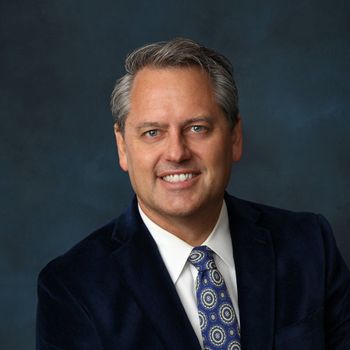

As physician shortages and burnout threaten the patient experience in oncology, The US Oncology Network works to scale solutions, including the use AI ambient scribes and other workflow fixes, as well as fostering self-care strategies.

The originator of the phase 1 drug development program at Sarah Cannon Research Institute reflects on his career.
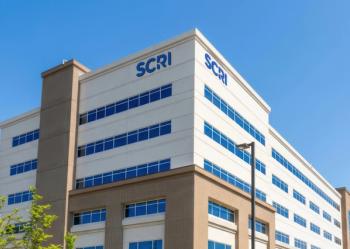
New leaders of the Sarah Cannon Research Institute discuss its mission and priorities amid a changing landscape in community oncology.

Experts discuss the impact of biomarker testing on GU and lung cancers, as well as myeloma, emphasizing its role in personalized treatment and patient care advancements.
Alongside physician collaboration, patient advocacy is essential to ensure clinical trials and public policy reflect patient-centered outcomes.
Patient–physician collaboration ensures trials reflect outcomes that matter to patients, according to Debra Patt, MD, PhD, MBA, MPH.
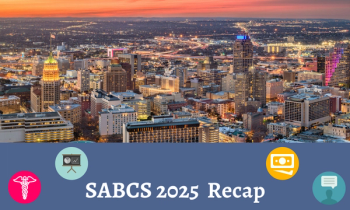
The San Antonio Breast Cancer Symposium fosters collaboration among experts, enhancing research and treatment strategies for breast cancer's complex landscape.
The US Oncology Network comprises over 3200 health care providers and 700 sites of service, with more than 70% of physicians participating in the Enhancing Oncology Model.
Debra Patt, MD, PhD, MBA, MPH, spoke at SABCS about the importance of patient-investigator collaboration to enhance the clinical trial process.
Ira Zackon, MD, discusses bispecific antibody use in multiple myeloma among community practices, reflecting real-world treatment trends.
McKesson's report highlights key trends in community oncology, emphasizing patient-centered care, precision medicine, and the need for innovative clinical trials.
Leaders from The US Oncology Network and McKesson discuss how technology can enhance precision medicine and improve patient access to cutting-edge cancer treatments.
Explore the future of cancer treatment with tumor-agnostic therapies, as experts unveil promising trials and innovative drug developments at ESMO.
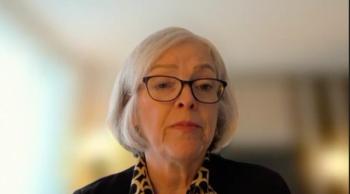
Susan Escudier, MD, FACP, of Texas Oncology, suggests actionable insights to improve equitable access to patient cancer care
Incorporating tools that gauge social determinants of health can improve patient access to cancer care, explained Susan Escudier, MD.
Susan Escudier, MD, discusses the practical implications of financial barriers for patients with cancer accessing oncology care.

Explore cutting-edge discussions on patient-centered oncology, value-based care, AI innovations, and survivorship strategies Thursday and Friday at PCOC 2025 in Nashville.

Teclistamab shows promising real-world effectiveness and safety in older adults with relapsed/refractory multiple myeloma (R/R MM), matching clinical trial outcomes.
Remote patient monitoring enhances cancer care by improving outcomes and reducing emergency visits, despite challenges in reimbursement and technology access.
Community oncology leaders navigate challenges in value-based care under the Enhancing Oncology Model, facing performance payment uncertainties and evolving drug markets.