Advancing Ischemic Stroke Care: Foundations, Current Therapies, and the Emerging Role of Factor XIa Inhibition
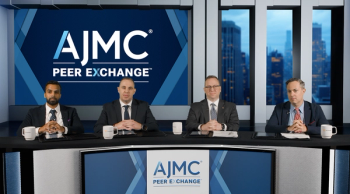
EP. 1: Foundations of Stroke Care: Understanding Classification and Clinical Presentation
ByMark Makhinson, PharmD, MBA,Andrew Russman, DO, FAHA, FAAN,Danison Emmerson, MD,David Z. Rose, MD Panelists explore stroke classification and clinical presentation, highlighting key differences between ischemic and hemorrhagic strokes, the TOAST system for subtype identification, and the importance of understanding underlying causes to guide diagnosis and long-term management.
EP. 2: The Societal Impact of Stroke: Prevalence, Pathophysiology, and Economic Burden
ByMark Makhinson, PharmD, MBA,Andrew Russman, DO, FAHA, FAAN,Danison Emmerson, MD,David Z. Rose, MD Panelists examine the societal impact of stroke by outlining its prevalence, underlying pathophysiology, key modifiable risk factors, and the substantial clinical, economic, and long-term disability burden it places on patients and the healthcare system.
EP. 3: Navigating the Stroke Care Continuum: Provider Roles and Patient Education
ByMark Makhinson, PharmD, MBA,Andrew Russman, DO, FAHA, FAAN,Danison Emmerson, MD,David Z. Rose, MD Stroke subtypes vary widely, but prevention is clear: control blood pressure, diabetes, cholesterol, exercise, quit smoking, and cut disability costs.
EP. 4: Bridging the Gap: Addressing Unmet Needs and Access in Stroke Care
ByMark Makhinson, PharmD, MBA,Andrew Russman, DO, FAHA, FAAN,Danison Emmerson, MD,David Z. Rose, MD Discover the stroke care team—from primary care to rehab—plus proven prevention steps and the high stakes of recurrent stroke.
EP. 5: Secondary Prevention: Aligning Treatment Goals and Patient Adherence
ByMark Makhinson, PharmD, MBA,Andrew Russman, DO, FAHA, FAAN,Danison Emmerson, MD,David Z. Rose, MD Experts reveal gaps in stroke detection, follow‑up and prevention, plus a simple “MATH” guide to hemorrhagic causes and blood pressure goals.
EP. 6: Beyond the Hospital Walls: Optimizing Transitions of Care and Long-Term Management
ByMark Makhinson, PharmD, MBA,Andrew Russman, DO, FAHA, FAAN,Danison Emmerson, MD,David Z. Rose, MD Learn how tailored meds, diet, exercise, and cholesterol control help prevent repeat ischemic stroke—while balancing bleeding risk and adherence.
EP. 7: Future Frontiers in Stroke Care: Biomarkers, Adherence, and Novel Therapies
ByMark Makhinson, PharmD, MBA,Andrew Russman, DO, FAHA, FAAN,Danison Emmerson, MD,David Z. Rose, MD Learn how anticoagulants, antiplatelets, and atrial appendage closure prevent repeat ischemic stroke—and why early follow-up boosts adherence.
EP. 8: The Emerging Role of Factor XIa Inhibition in Stroke Prevention
ByMark Makhinson, PharmD, MBA,Andrew Russman, DO, FAHA, FAAN,Danison Emmerson, MD,David Z. Rose, MD Factor XIa inhibitors emerge as safer stroke prevention, cutting harmful clots without excess bleeding—see which oral and IV drugs reach phase 3.
EP. 9: The New Frontier of Antithrombotic Therapy: Safety and Efficacy of Factor XIa Inhibition
ByMark Makhinson, PharmD, MBA,Andrew Russman, DO, FAHA, FAAN,Danison Emmerson, MD,David Z. Rose, MD Factor XIa blockers aim to prevent stroke-driving clots with less bleeding; explore leading phase 3 drugs and oral vs IV tradeoffs.
EP. 10: The Future of Factor XIa Inhibition: Clinical Integration and Treatment Algorithms
ByMark Makhinson, PharmD, MBA,Andrew Russman, DO, FAHA, FAAN,Danison Emmerson, MD,David Z. Rose, MD New factor XIa inhibitors cut recurrent non-cardioembolic stroke without extra bleeding—plus what milvexian and abilacimab trials reveal.
EP. 11: The 5-Year Horizon: Evolving Paradigms in Ischemic Stroke Management
ByMark Makhinson, PharmD, MBA,Andrew Russman, DO, FAHA, FAAN,Danison Emmerson, MD,David Z. Rose, MD 